

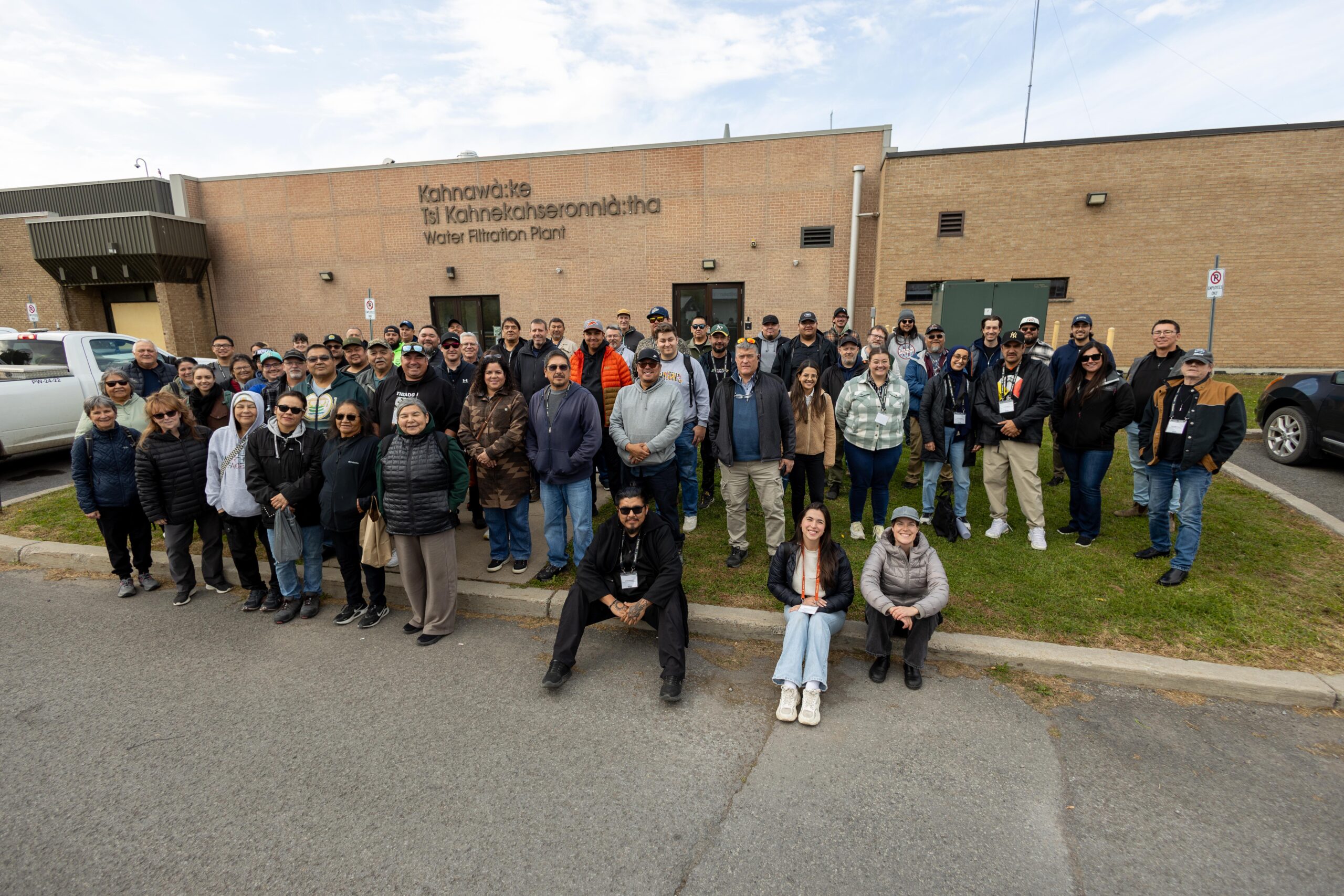
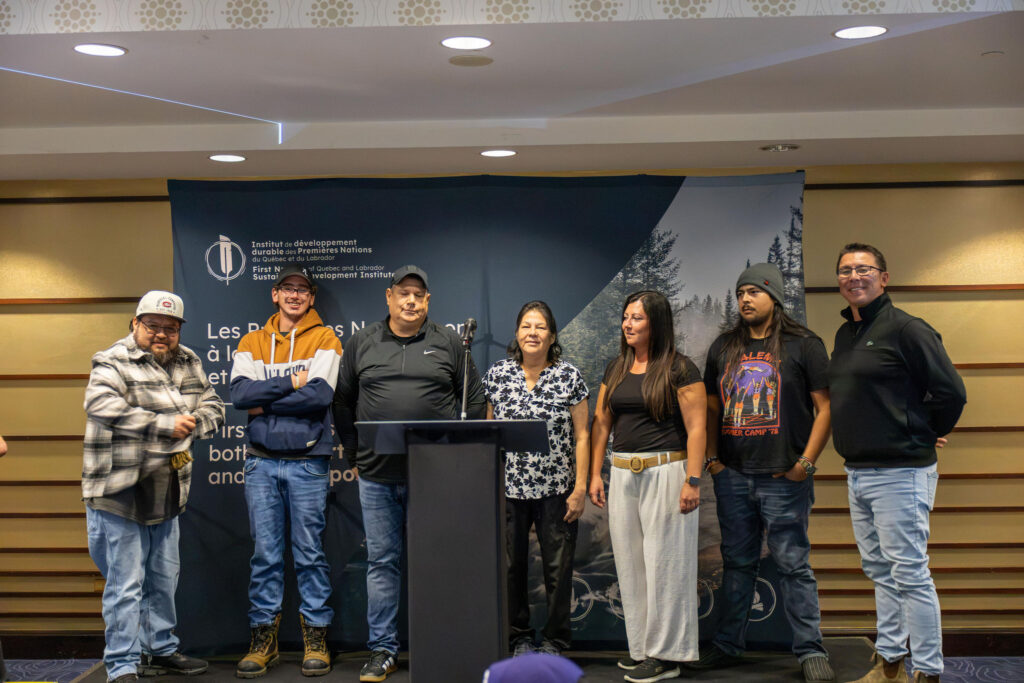
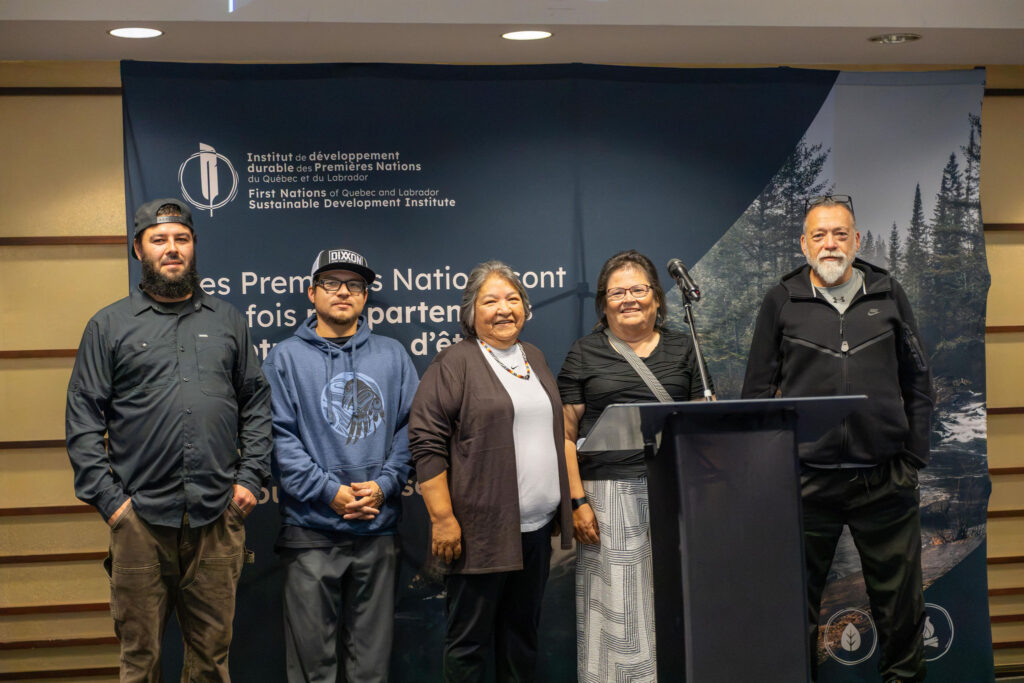
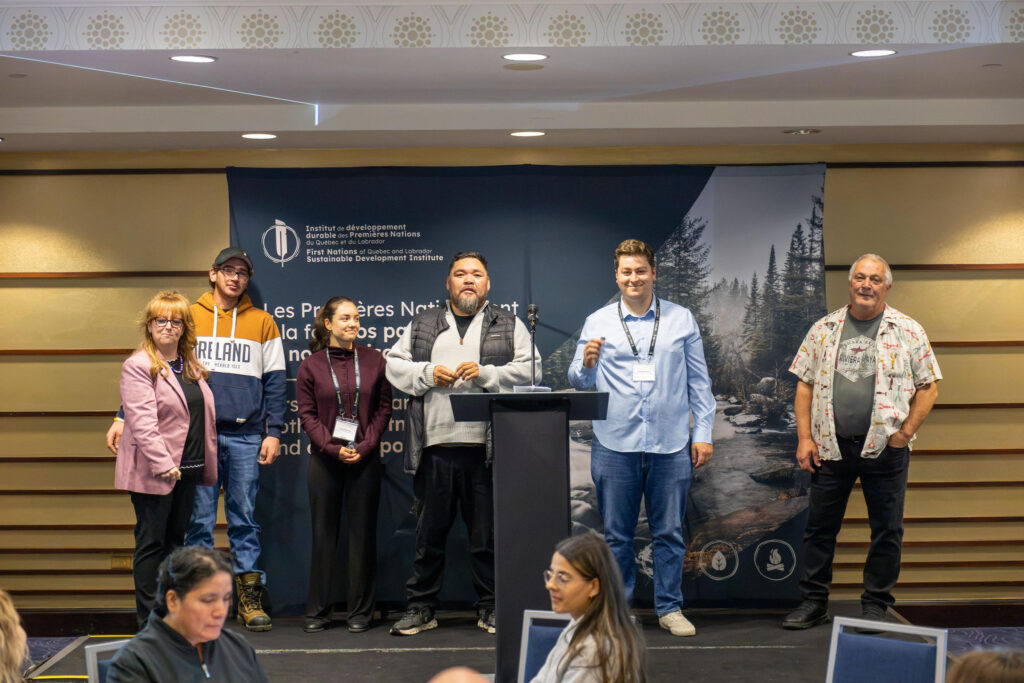
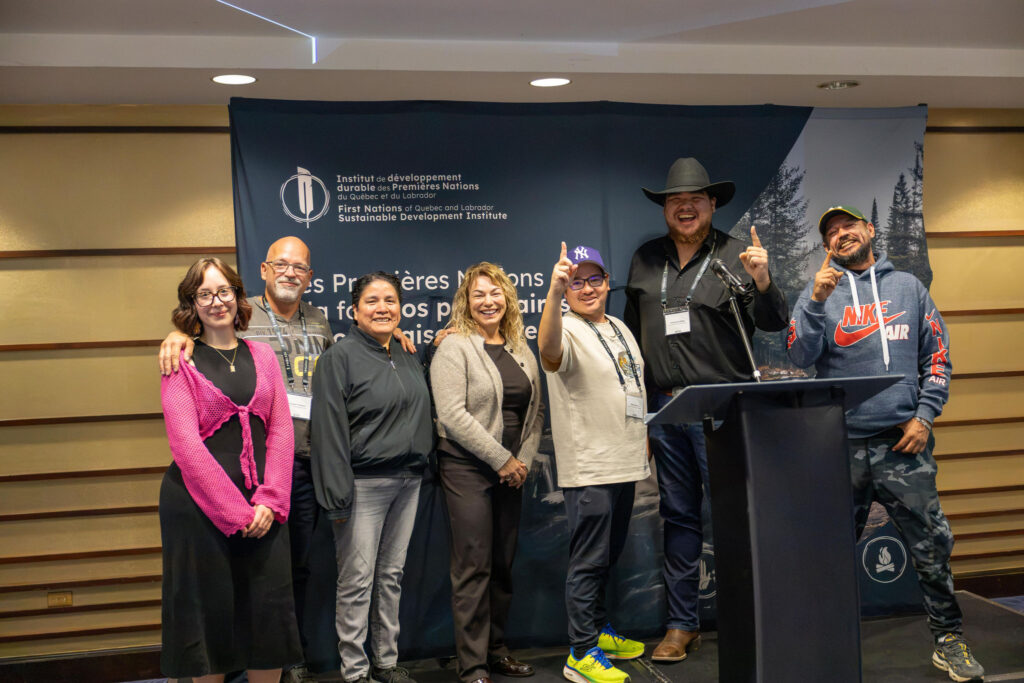
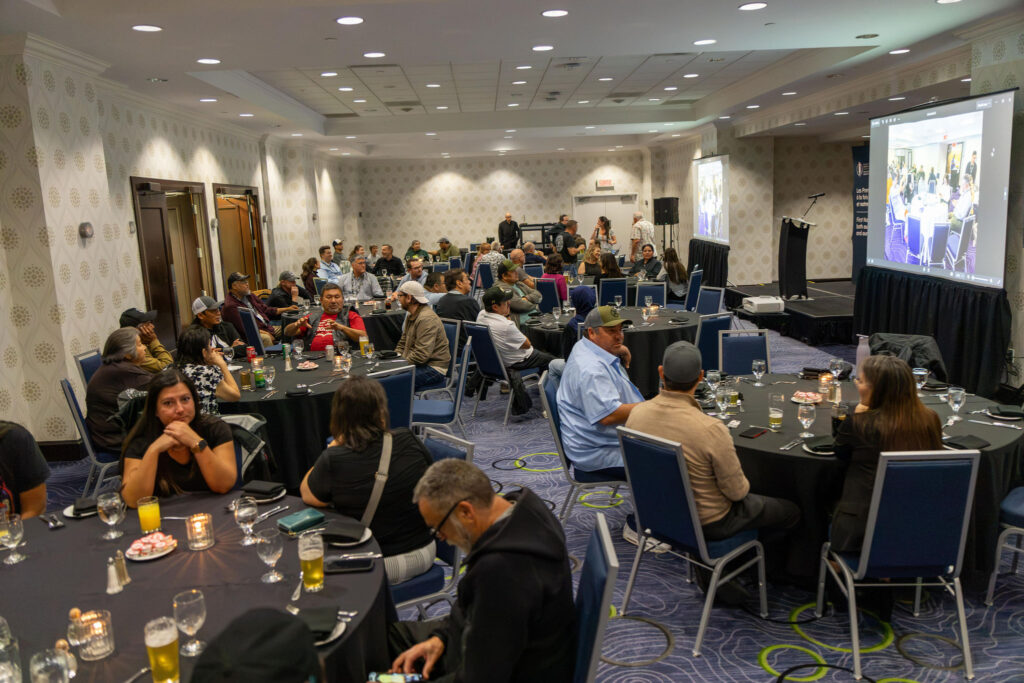
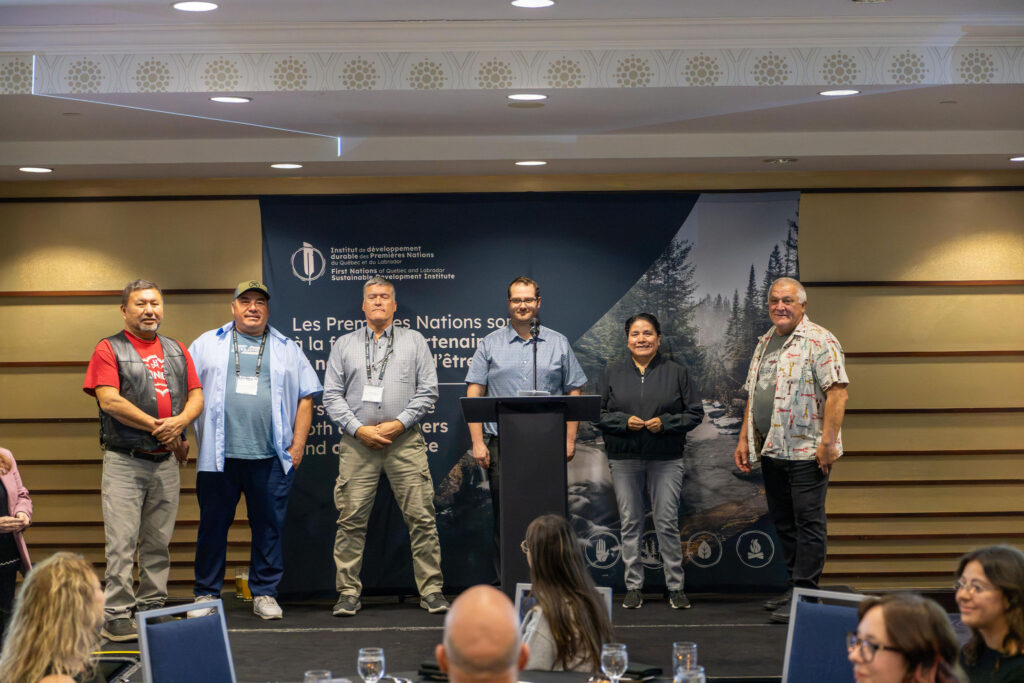
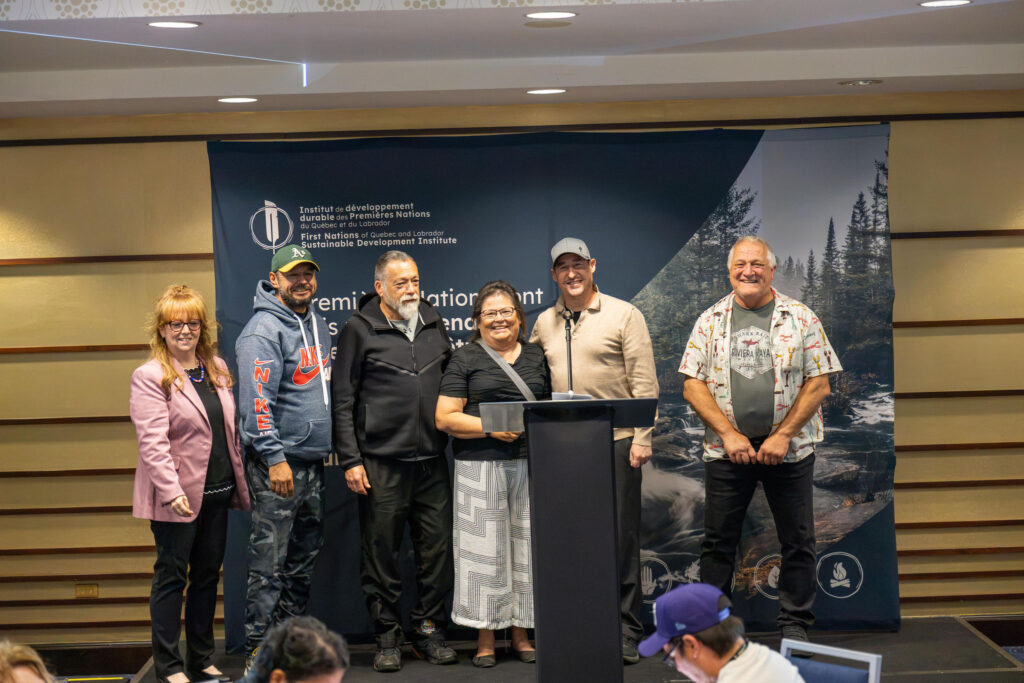
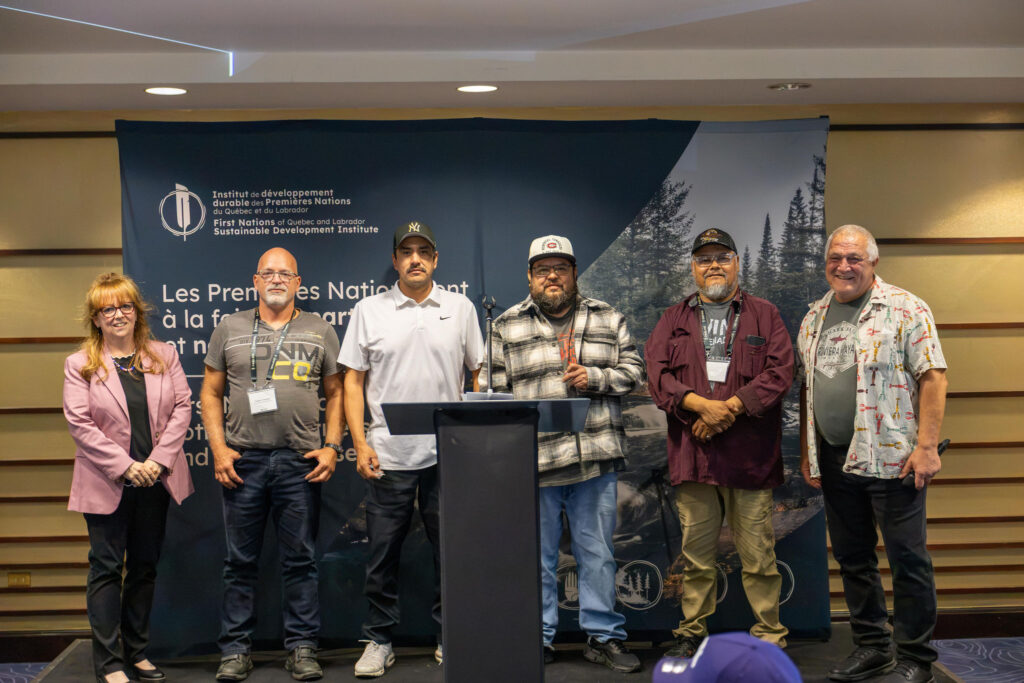
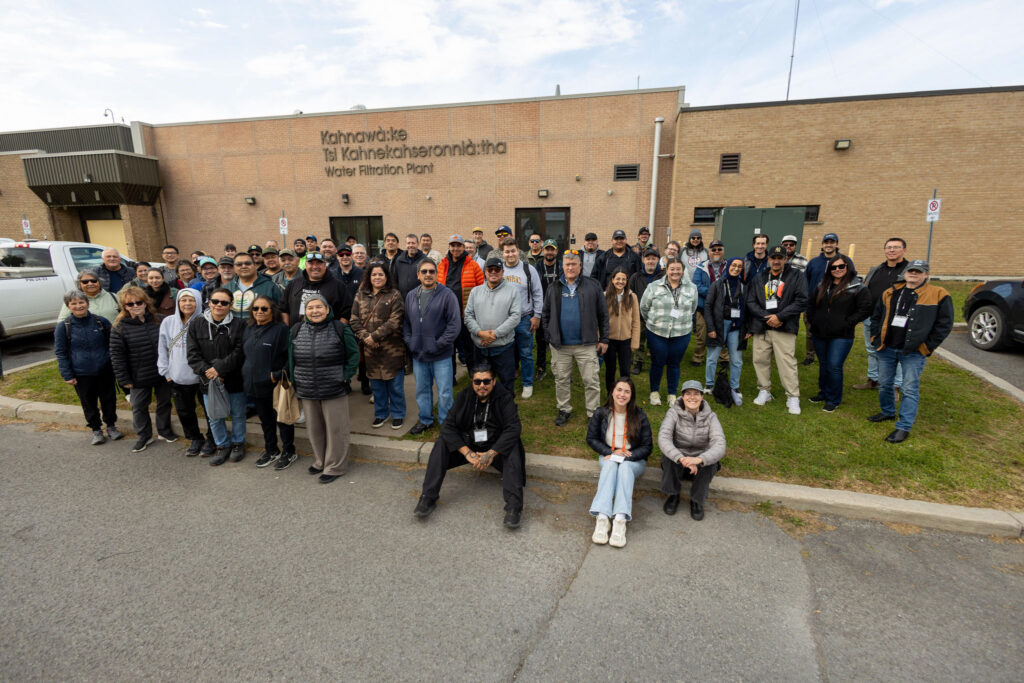
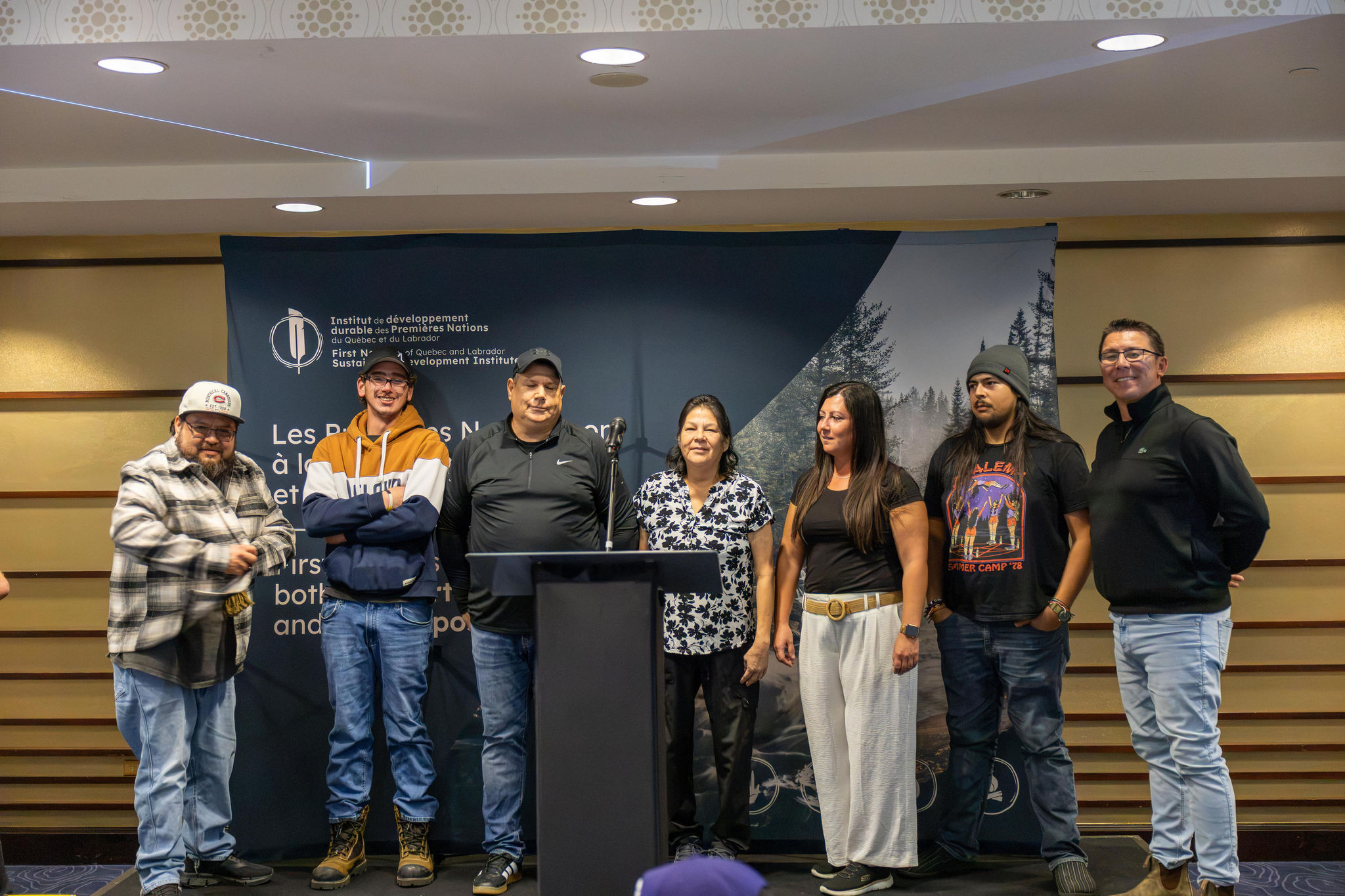
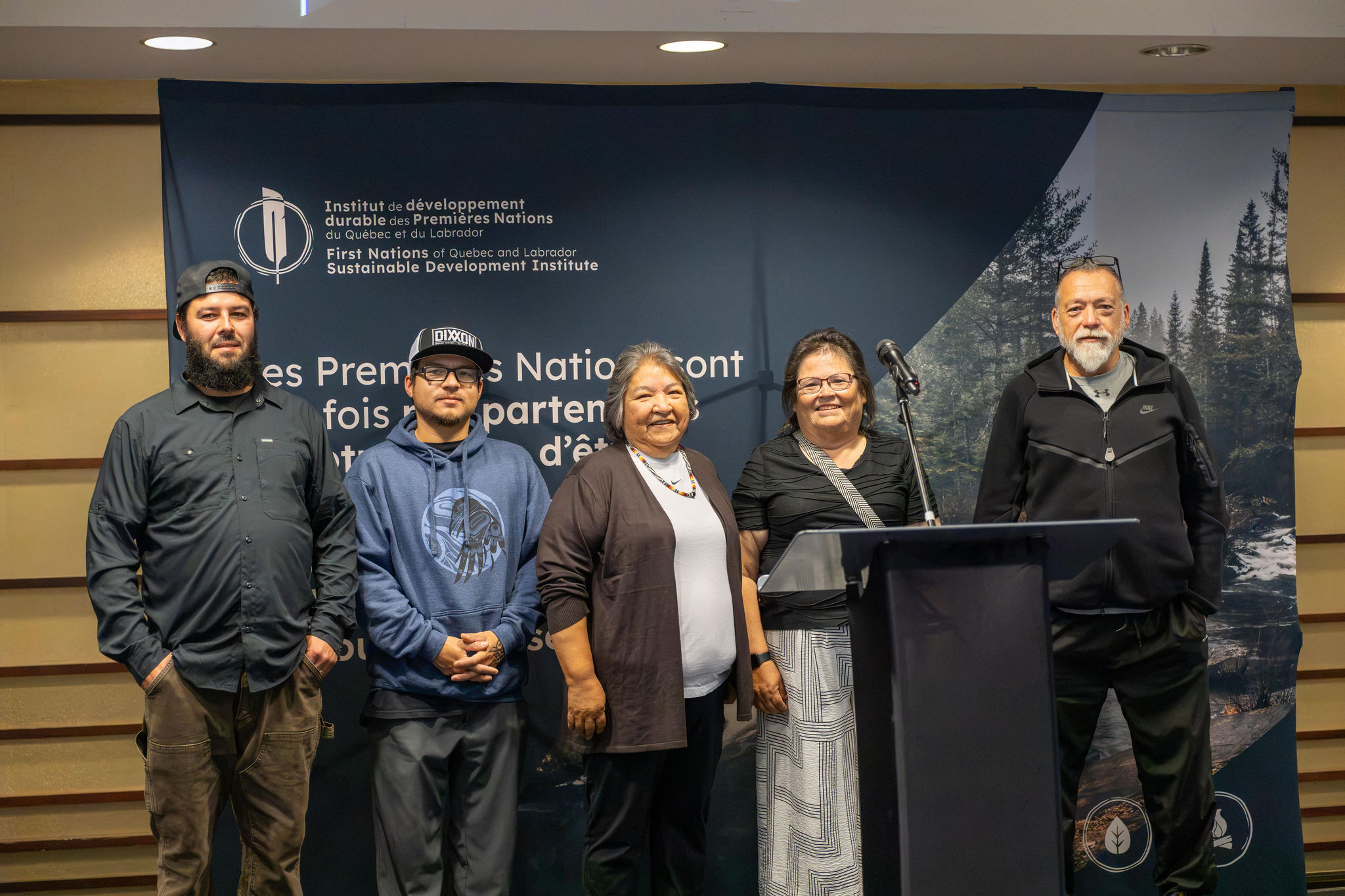
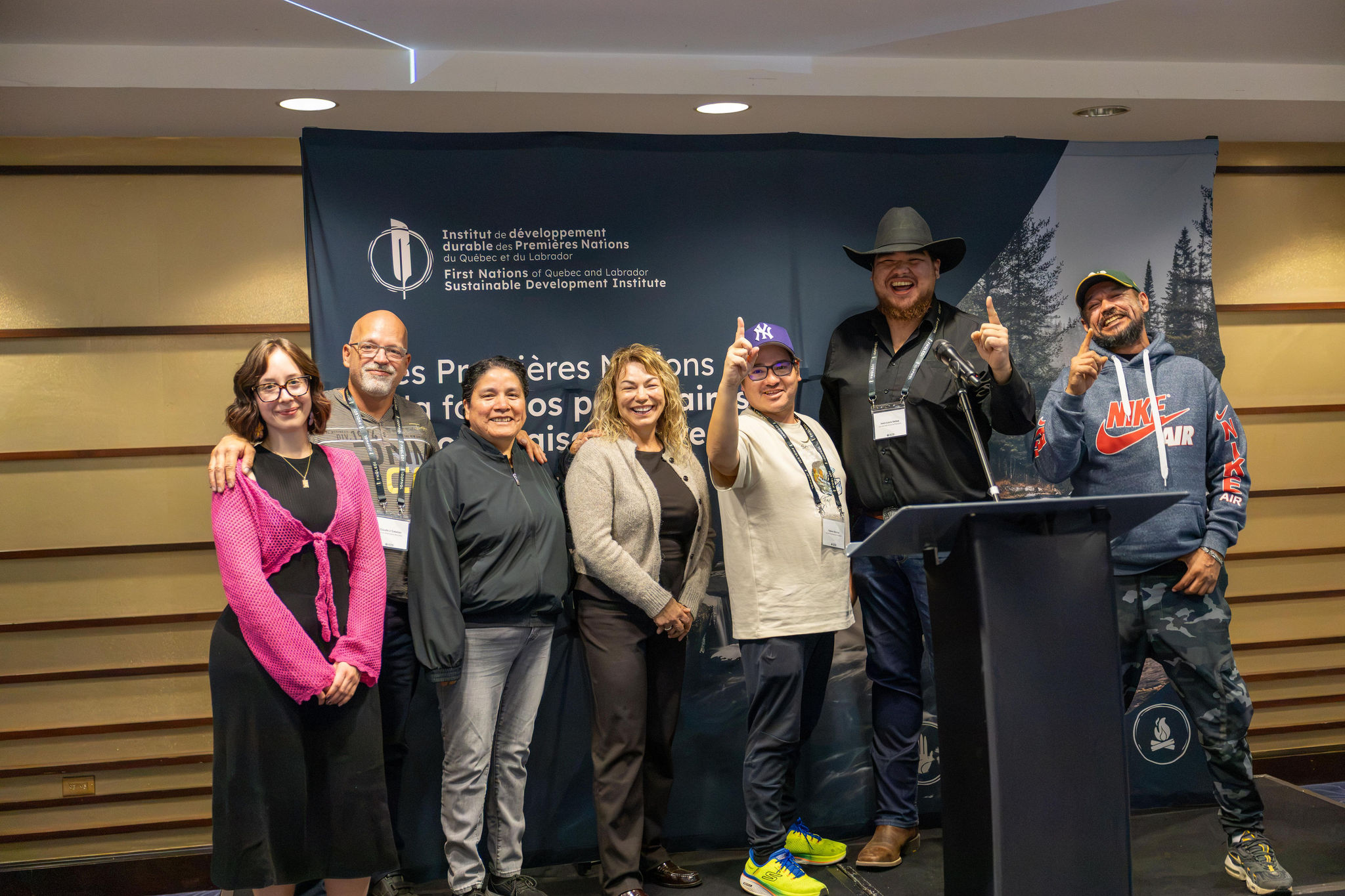
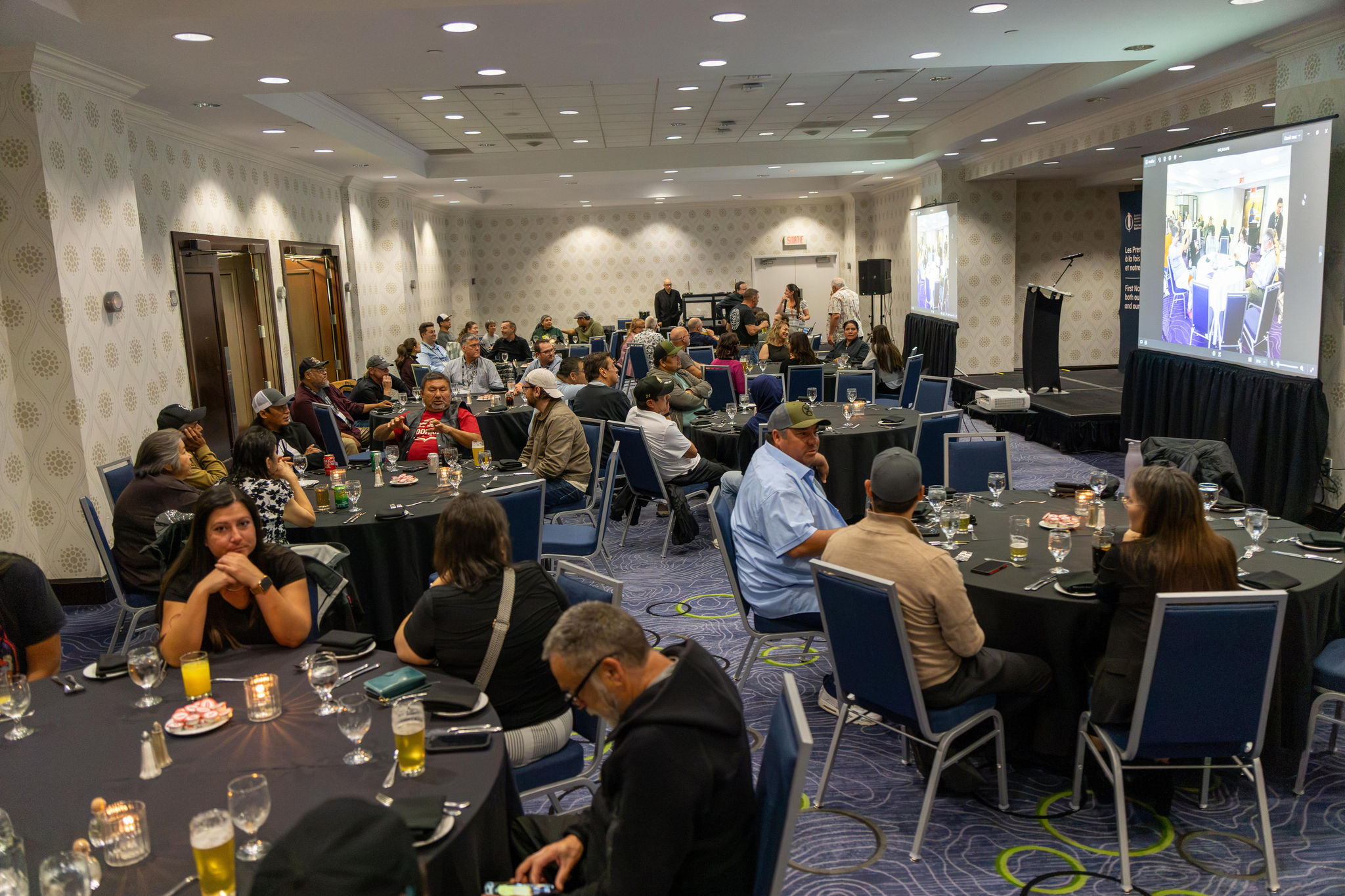
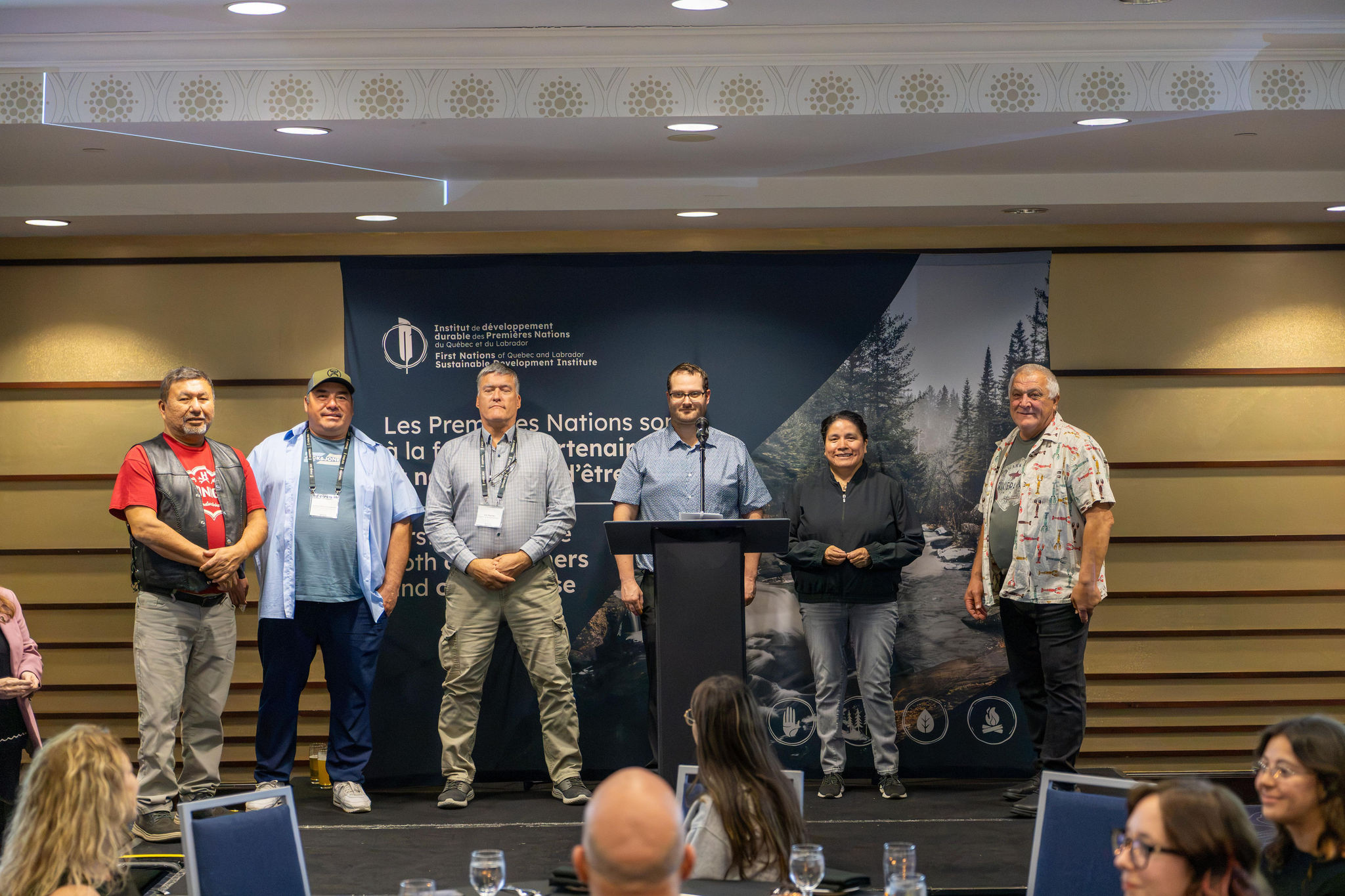
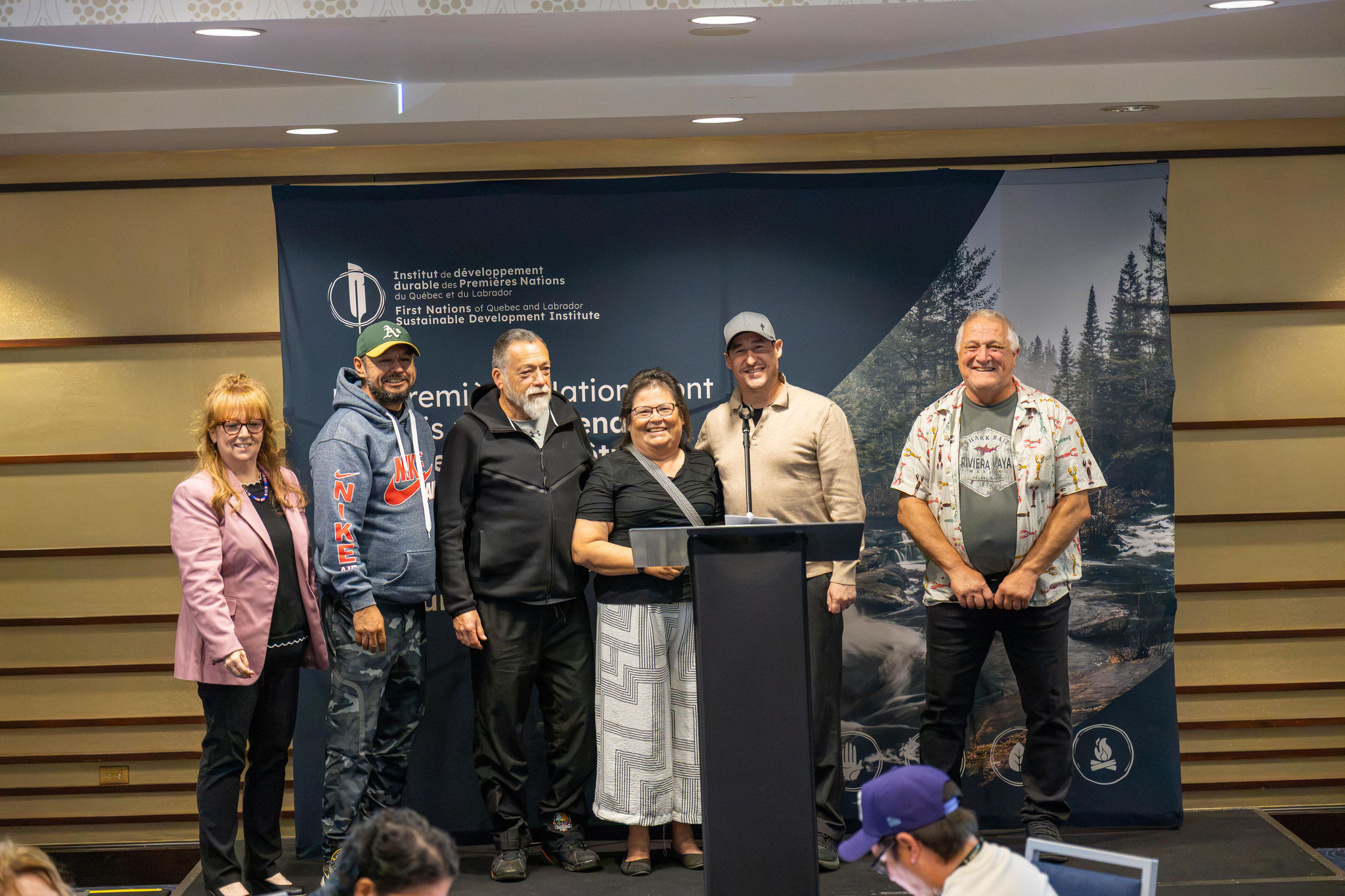
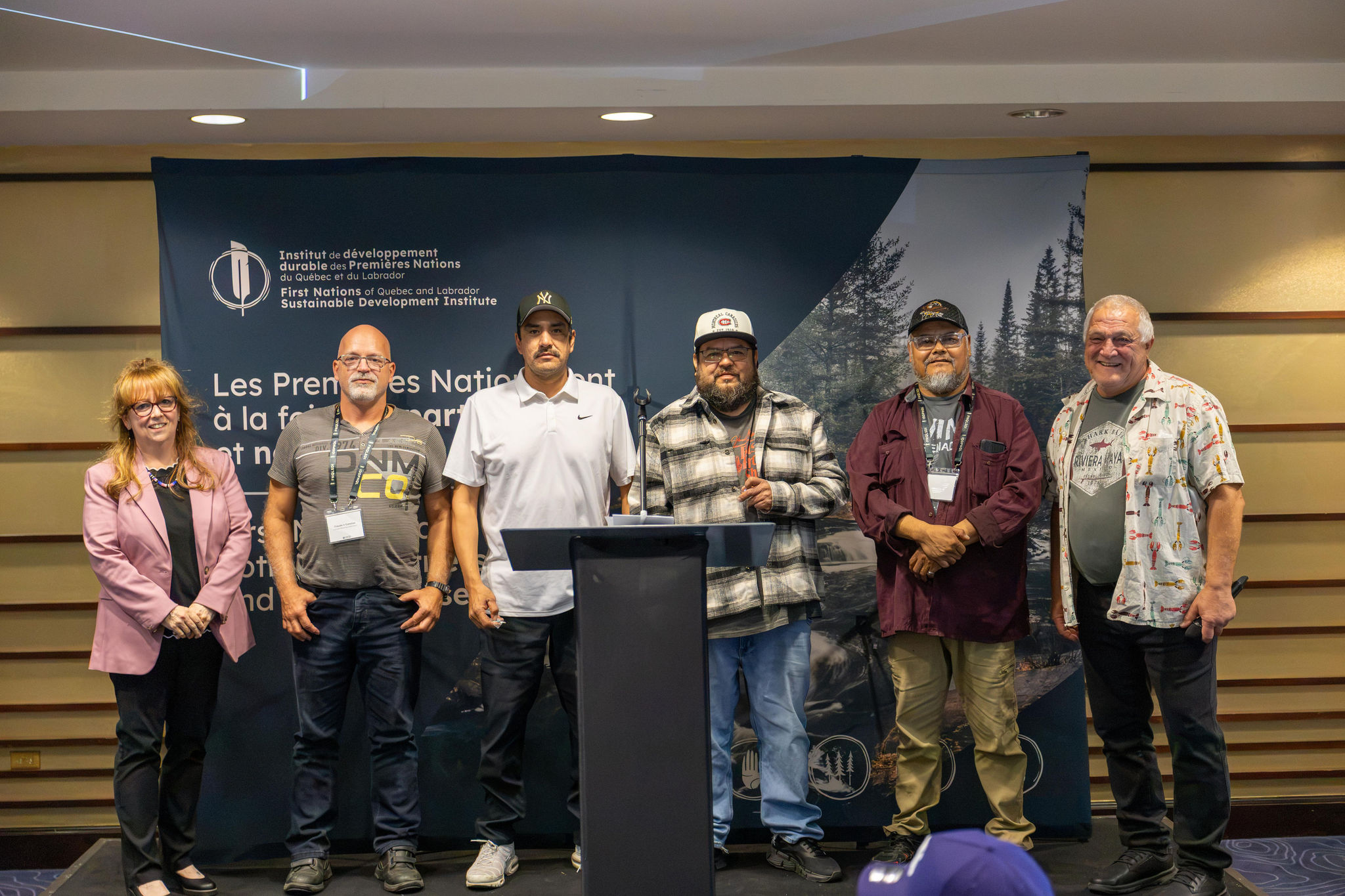
From October 6 to 8, 2026, we held the Water Conference and Workshop – CBWM in Tiohtià:ke (Montréal). Every two years, this event brings together First Nations water treatment plant operators and Community-Based Water Monitors (CBWMs). This fourth edition welcomed 54 participants from 6 First Nations and 24 communities.
Learning and sharing
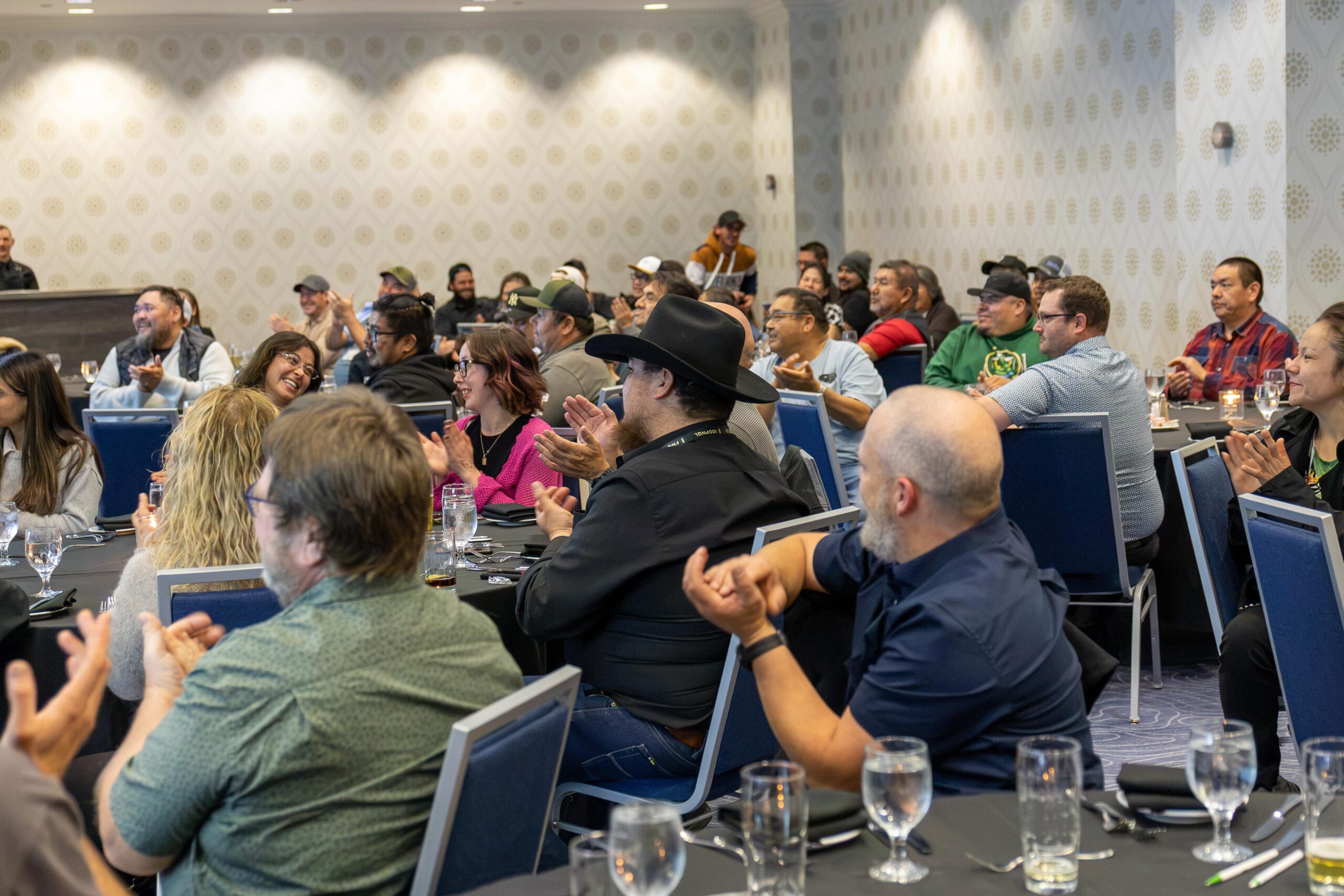
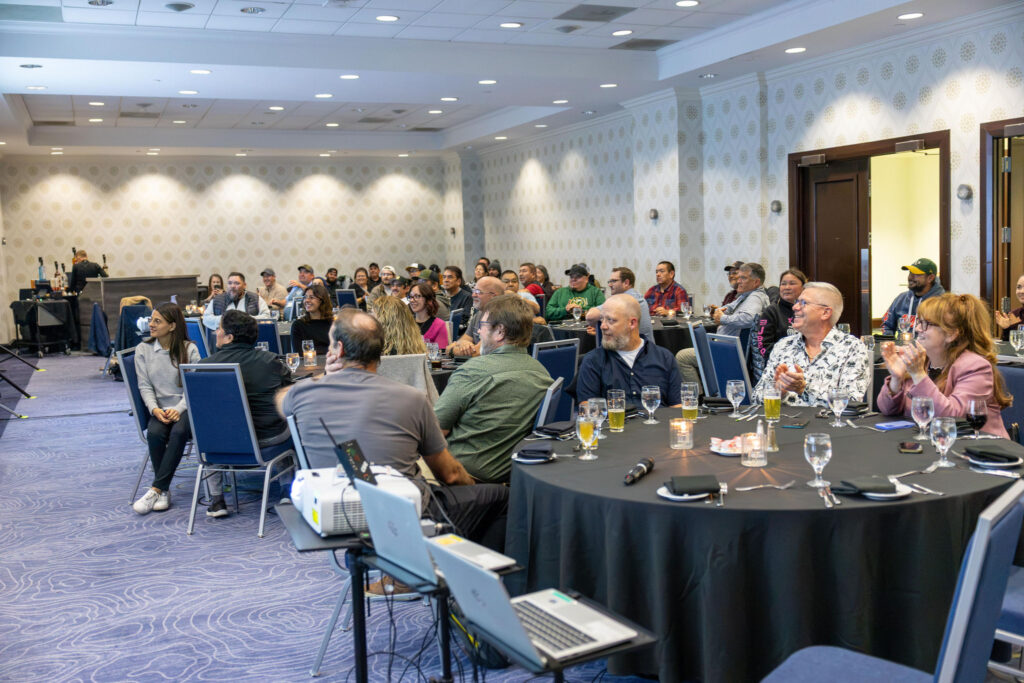
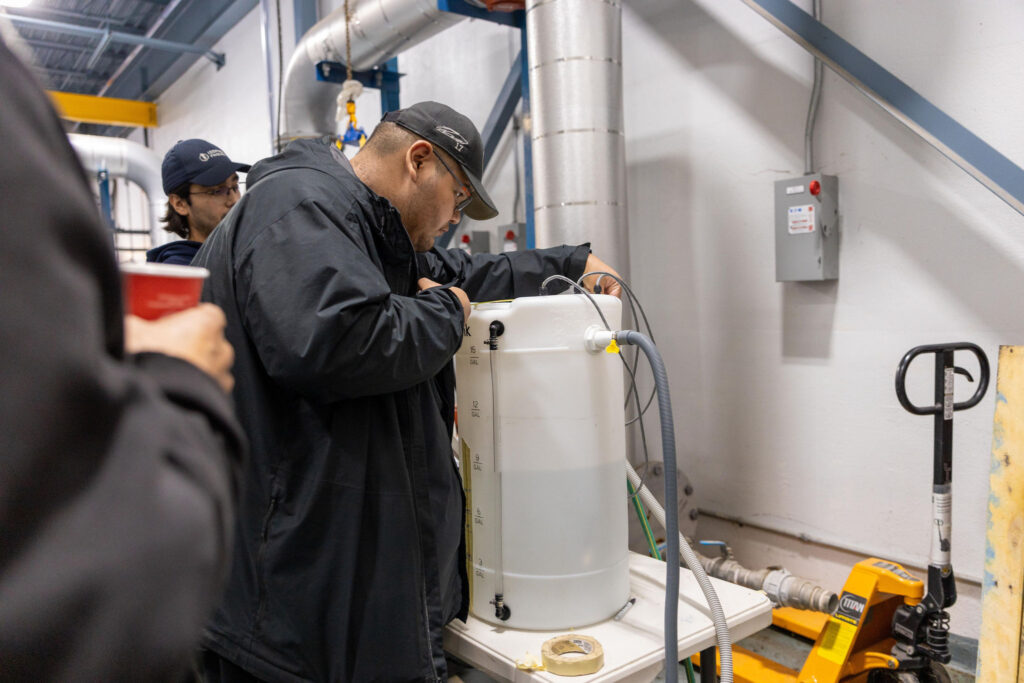
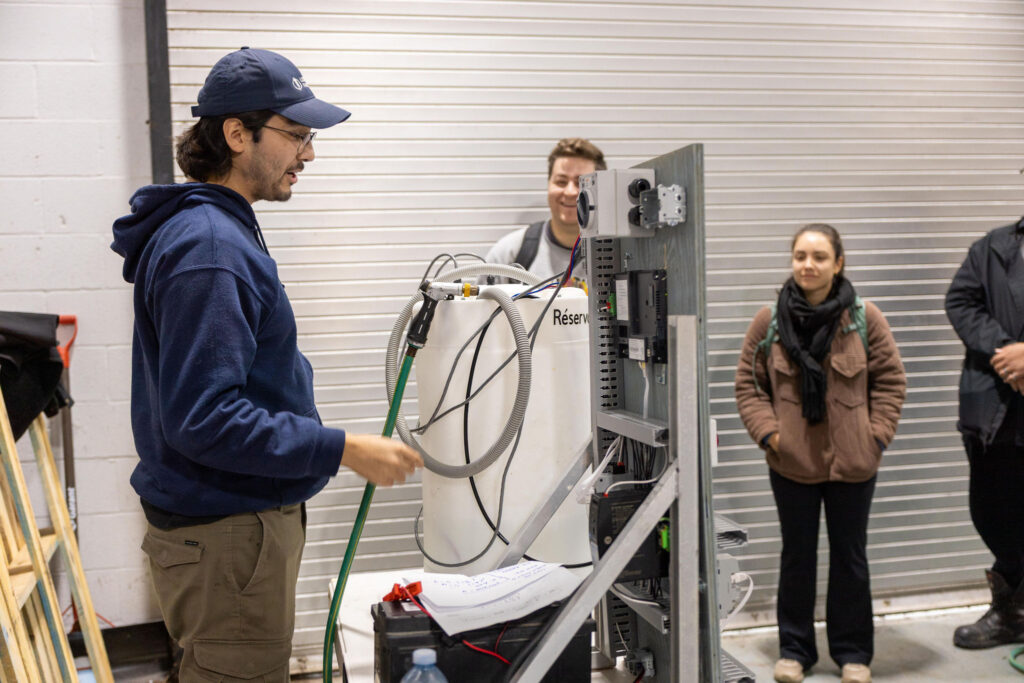
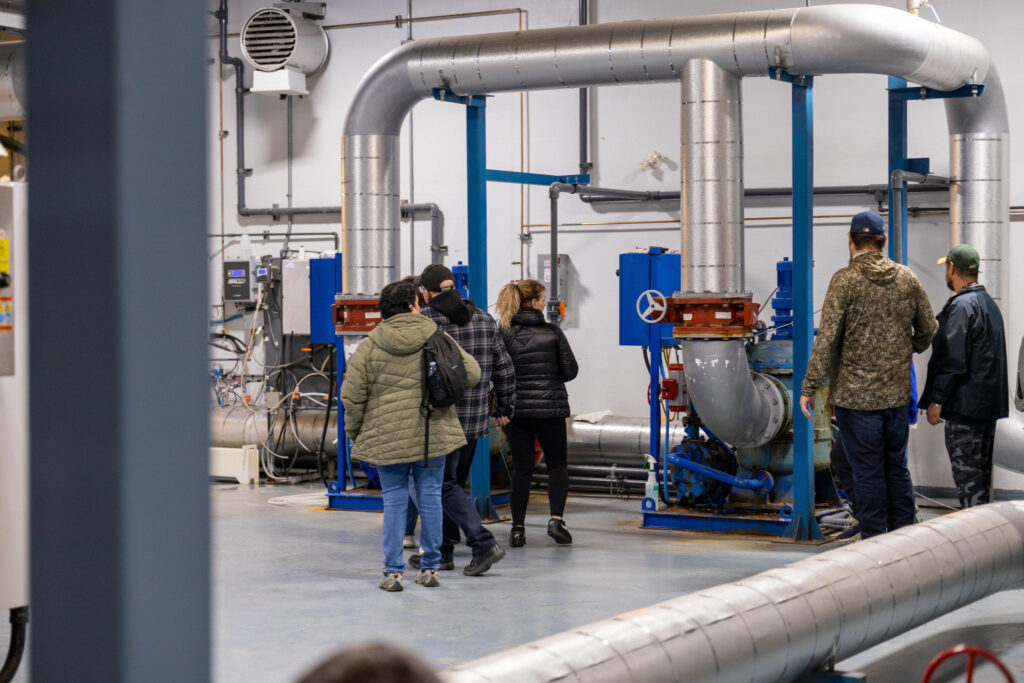
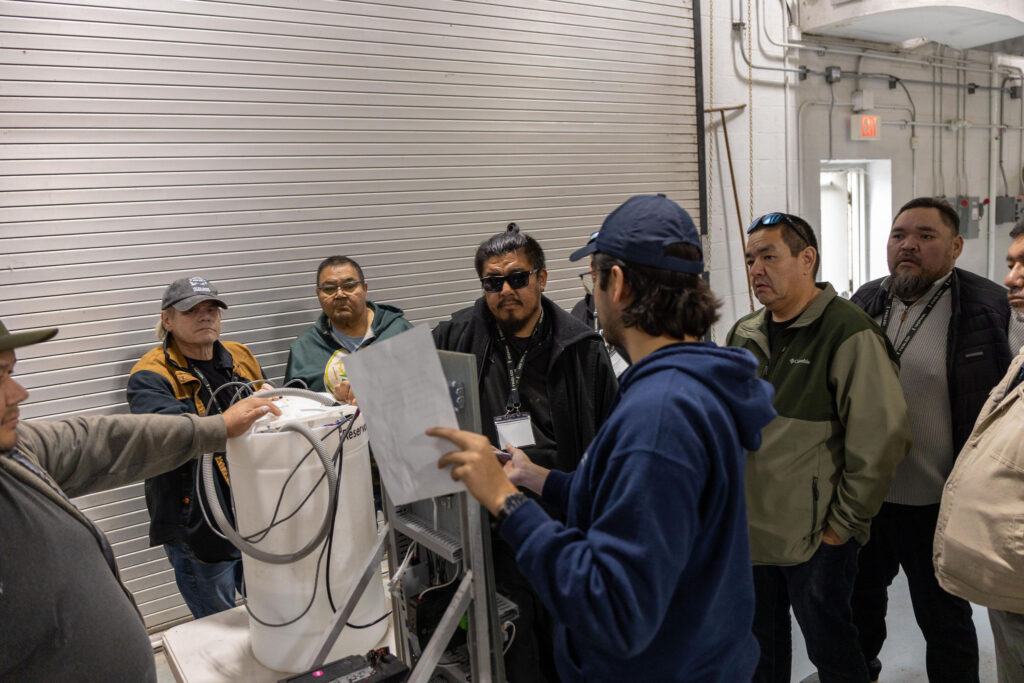
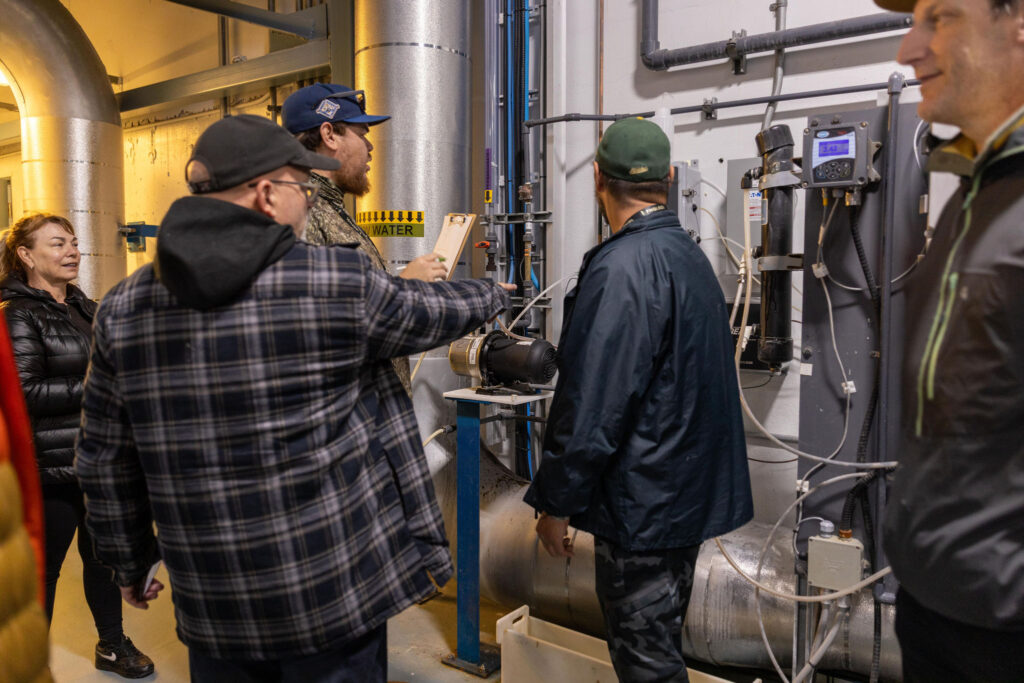
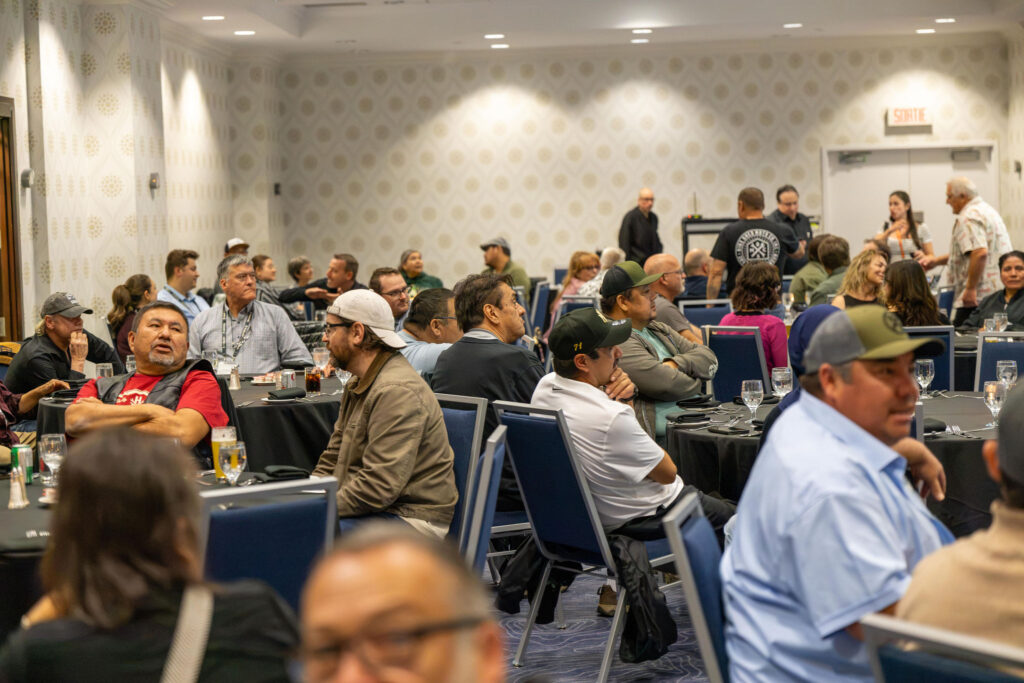
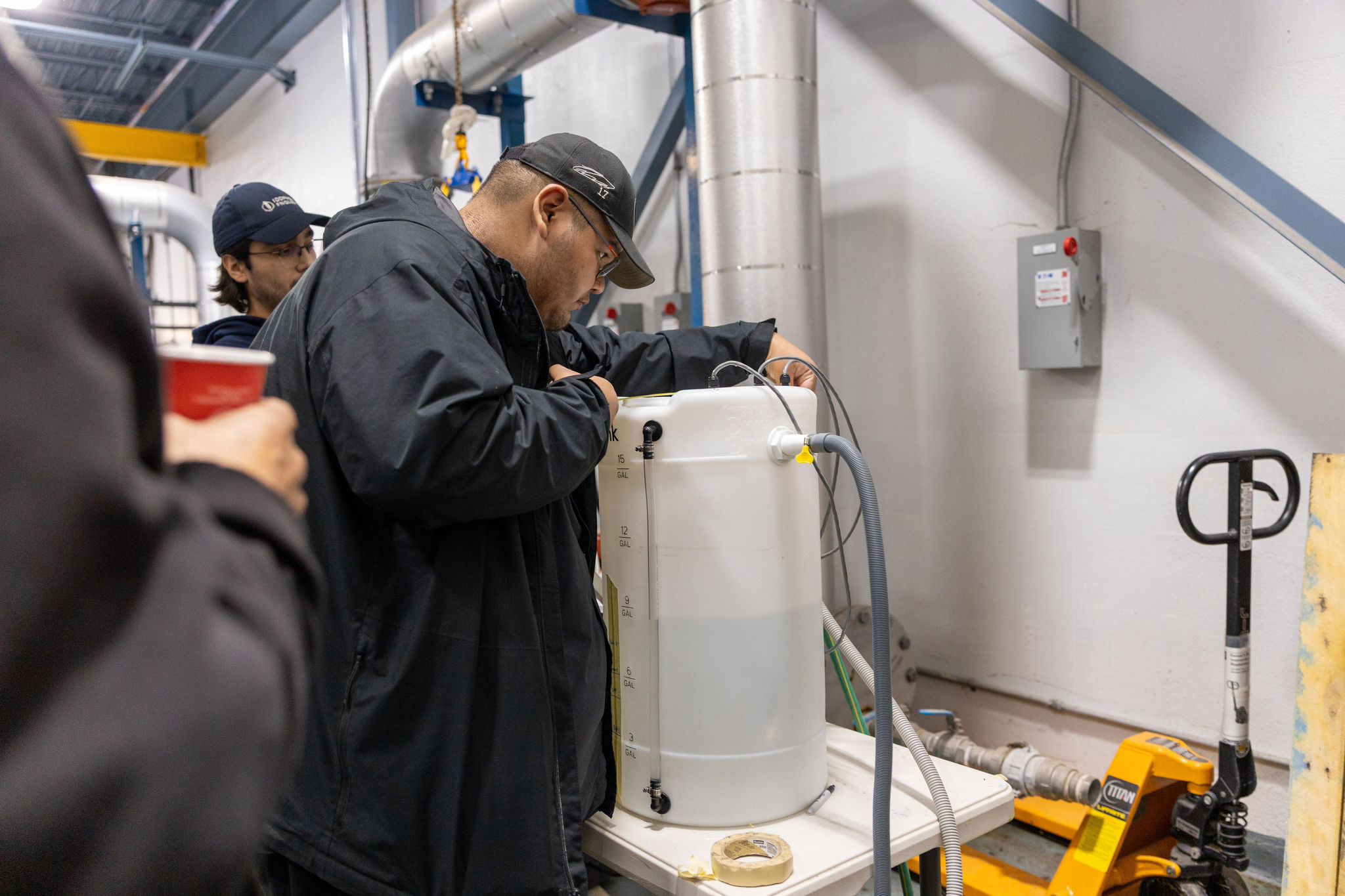
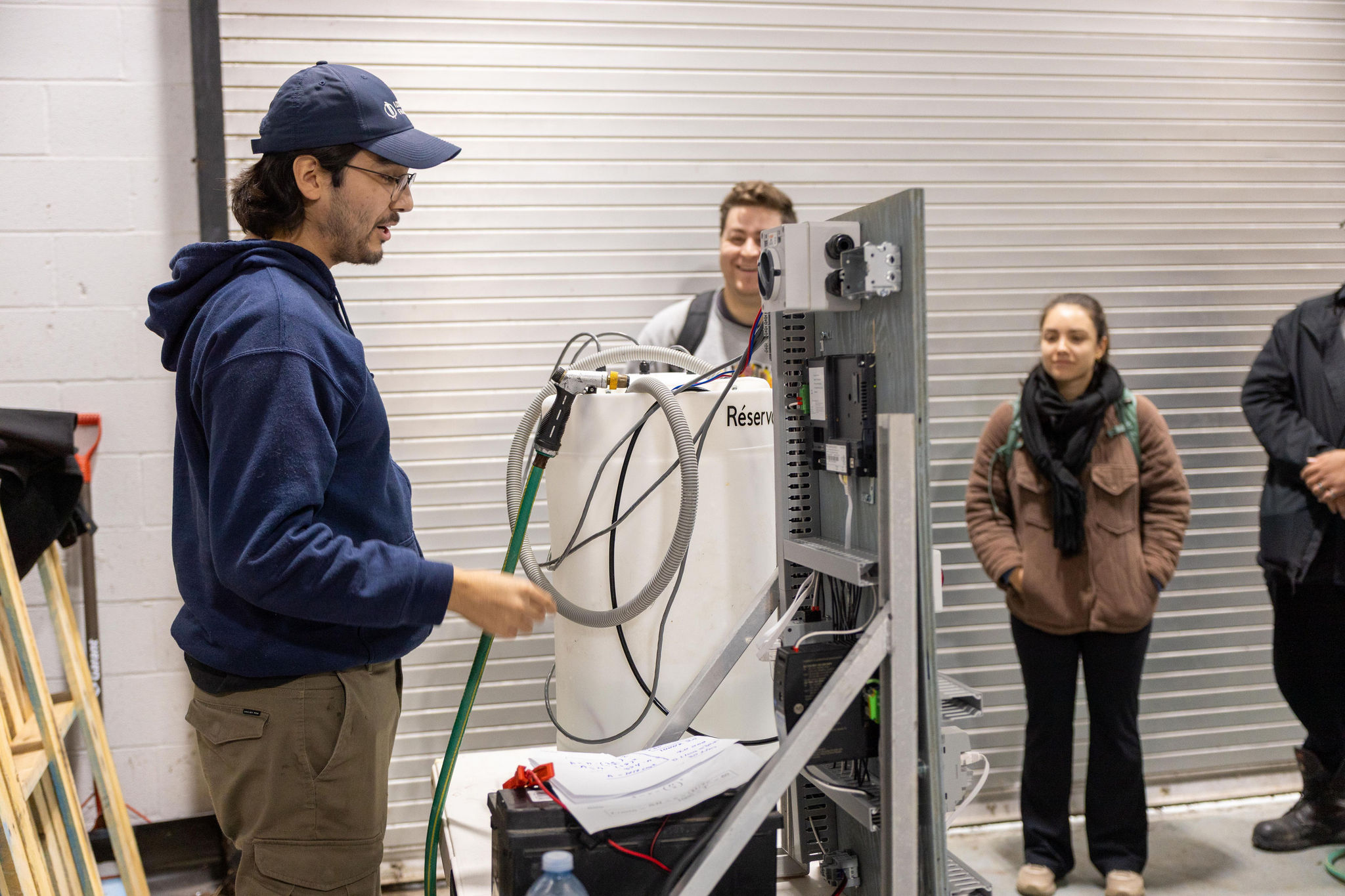
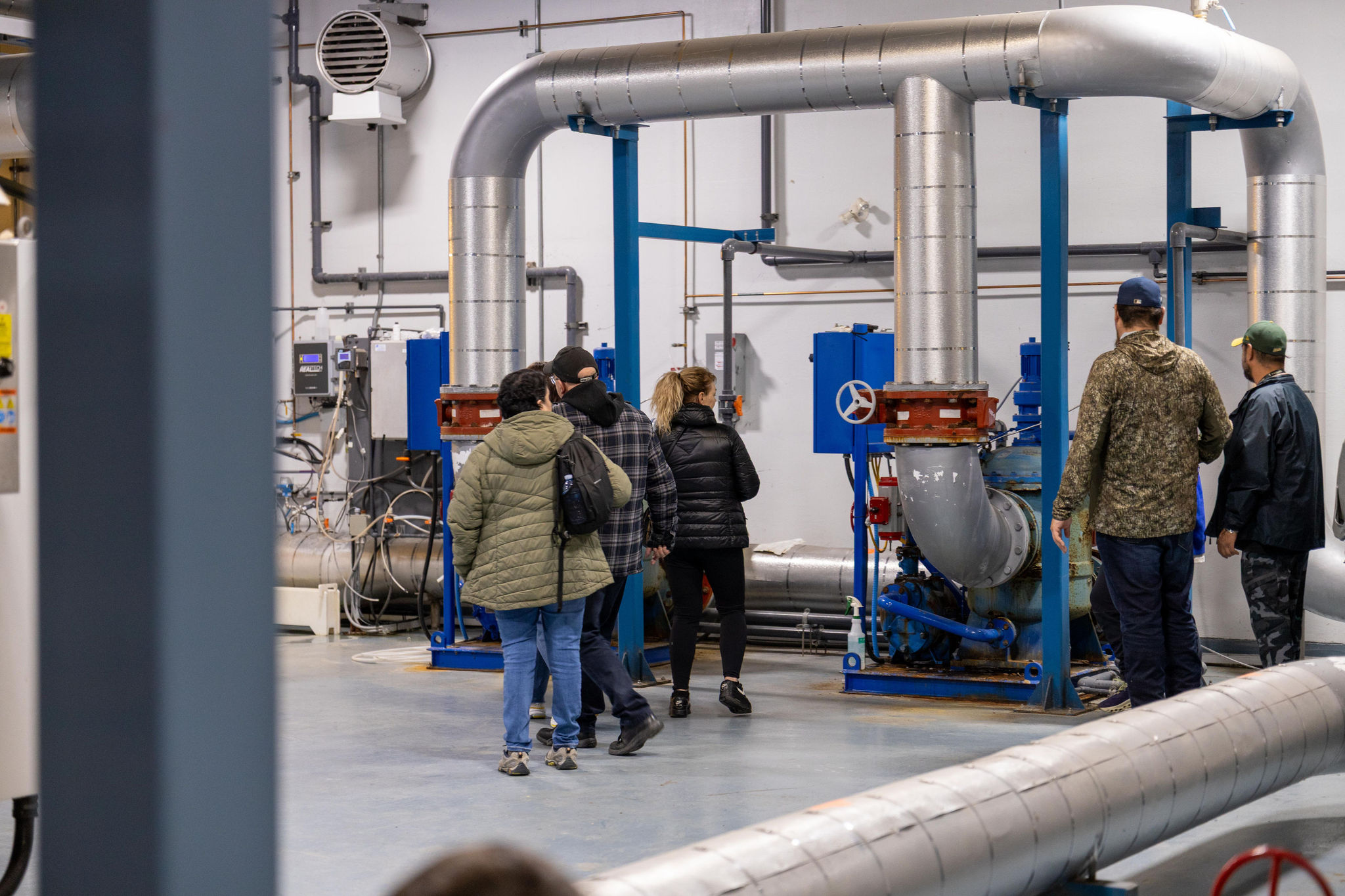
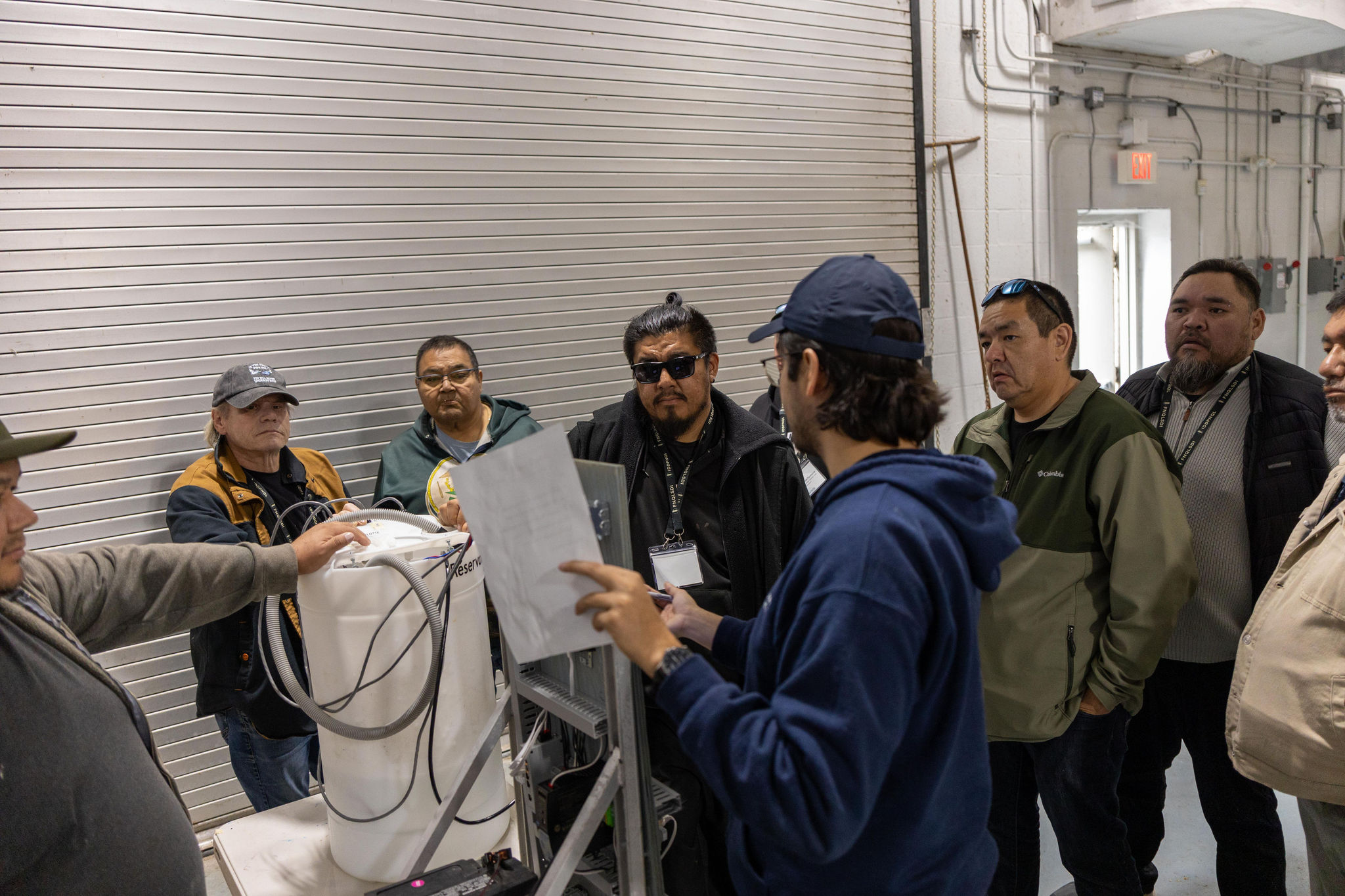
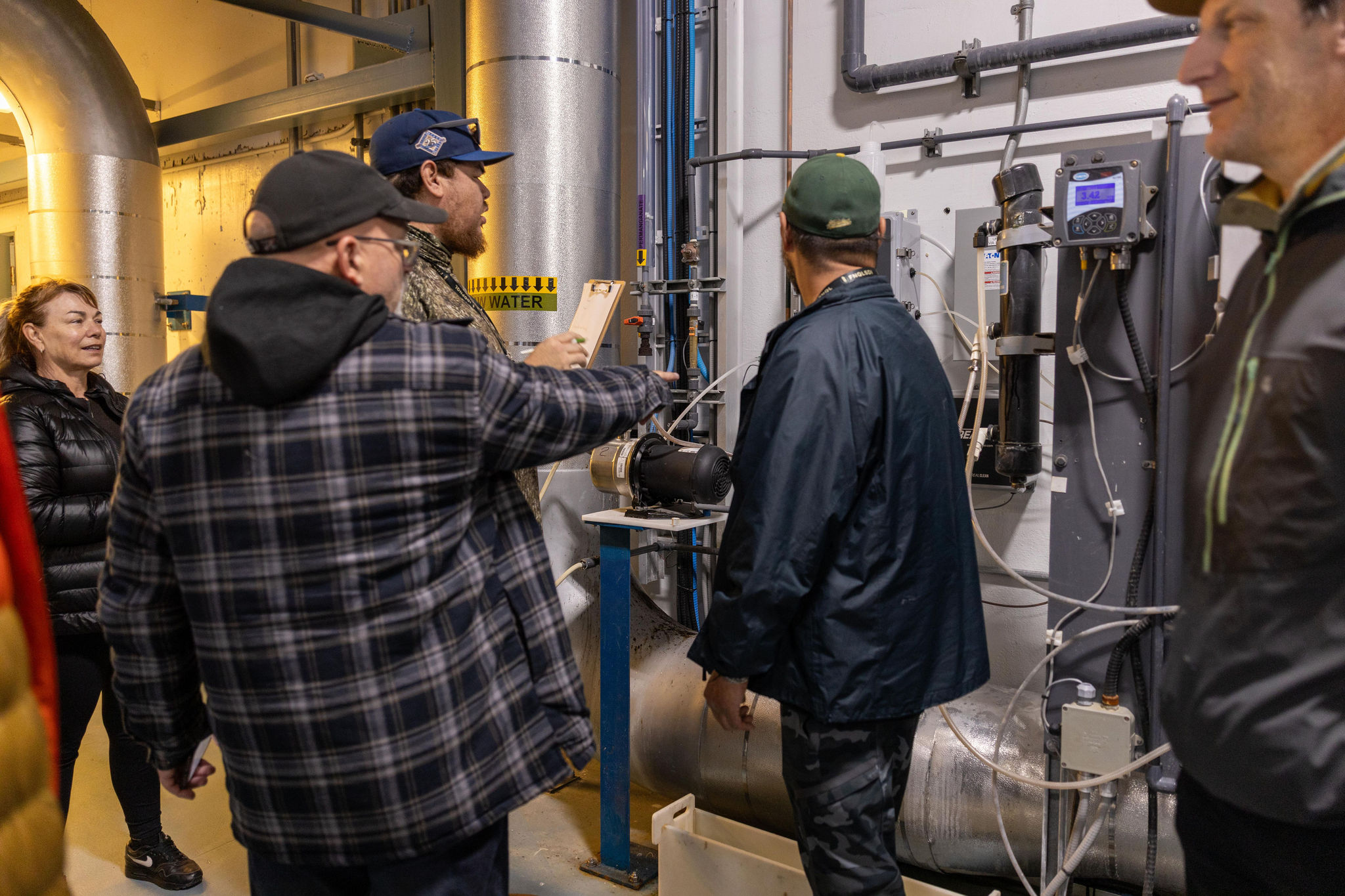
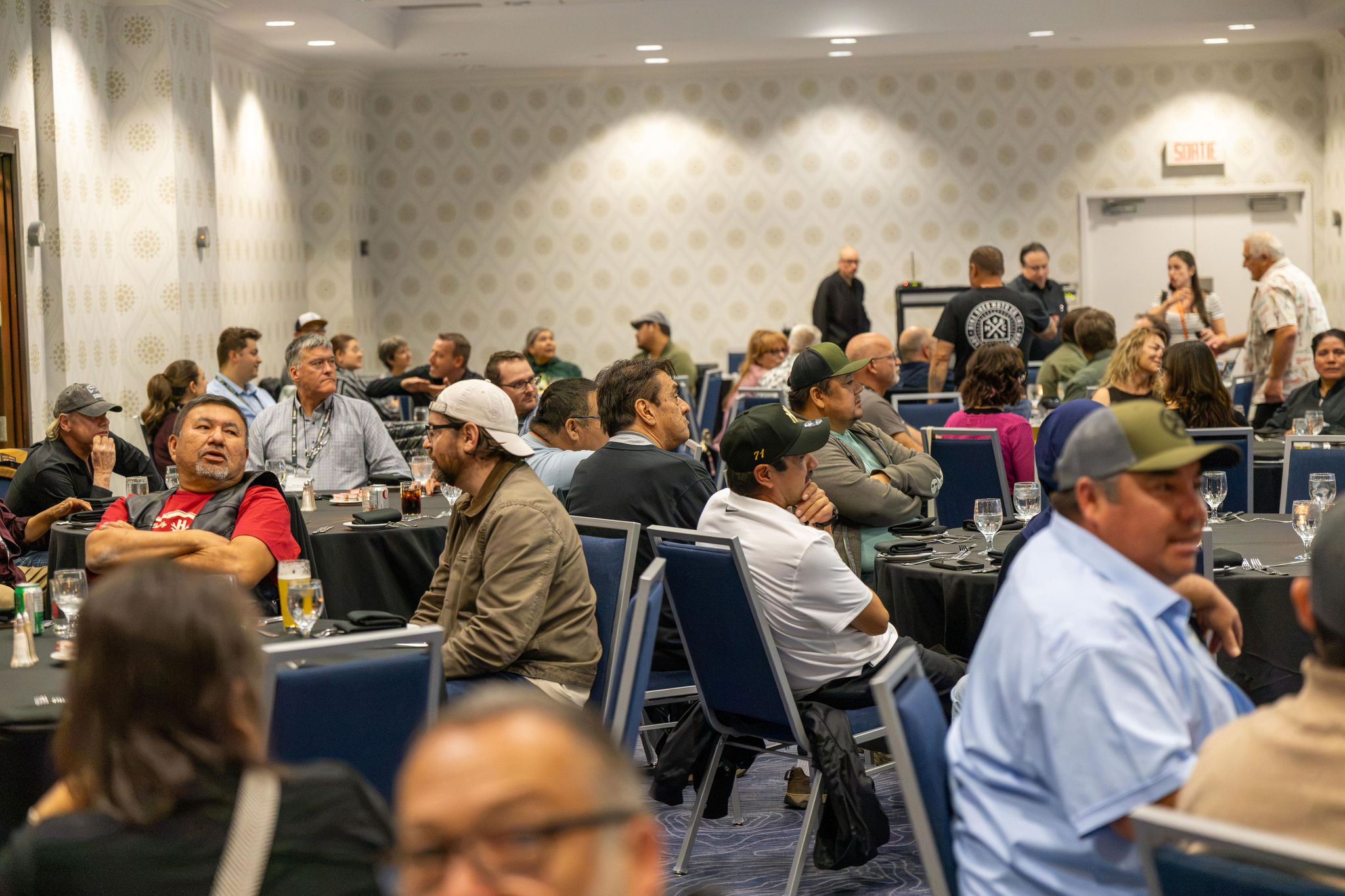
Following welcoming remarks from the FNQLSDI and Indigenous Services Canada (ISC), participants took part in a series of workshops and presentations. Topics ranged from the importance of unidirectional flushing of a water distribution system and the proper procedure for carrying it out, to the maintenance and calibration of continuous analyzers for free chlorine and turbidity, as well as telemetry, cybersecurity and best practices for wastewater sampling. The presentations also covered the maintenance of measuring equipment, emerging contaminants, microplastic pollution, and other health and environmental issues.
Putting knowledge to the test
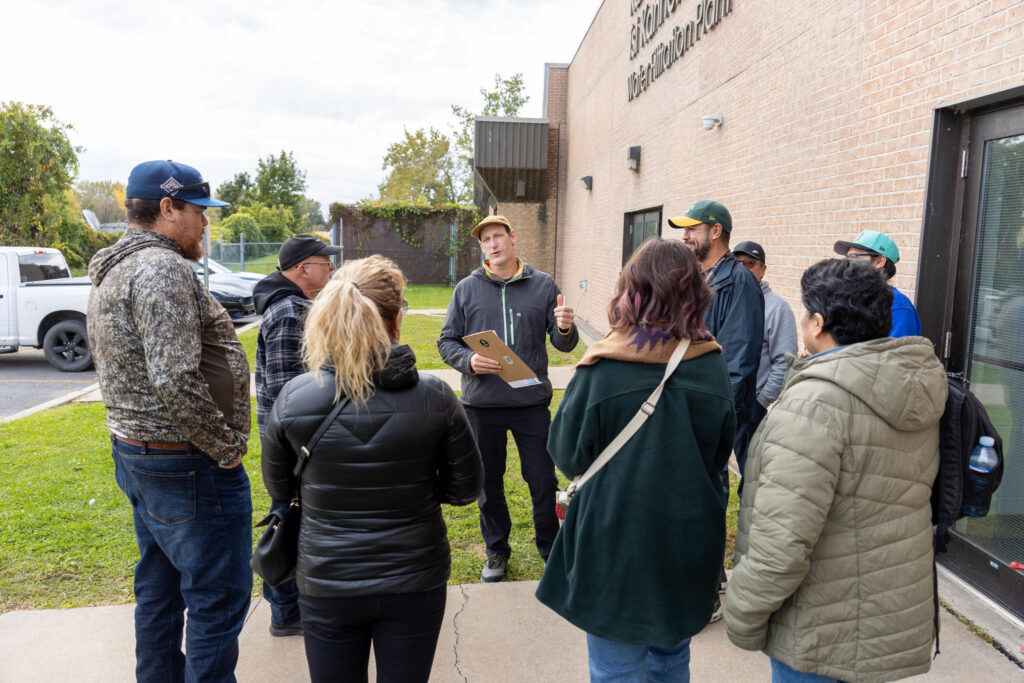
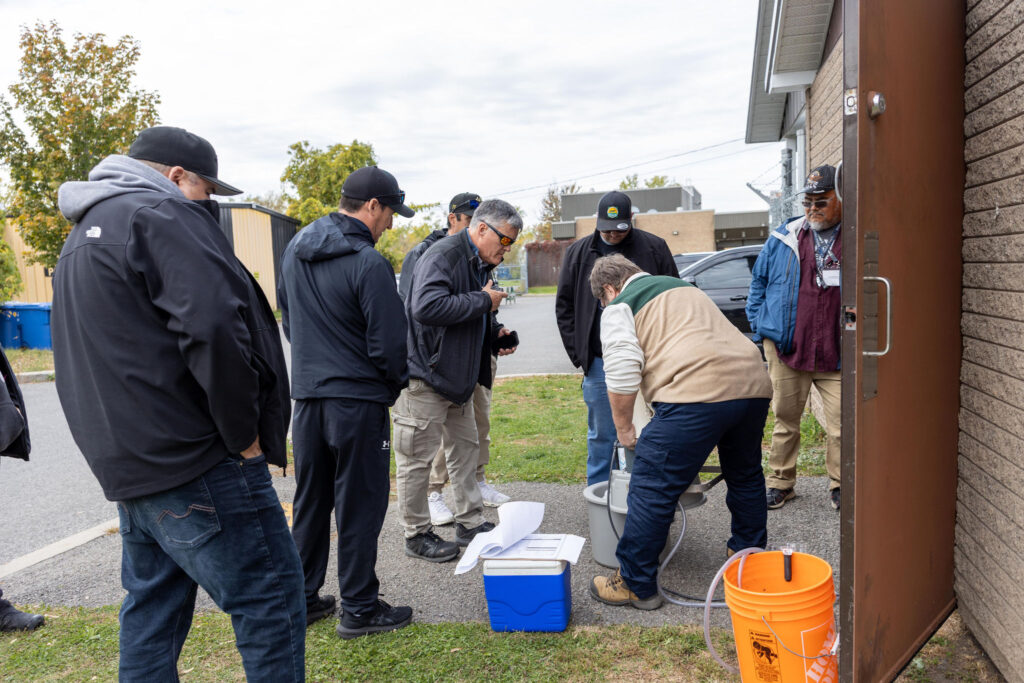
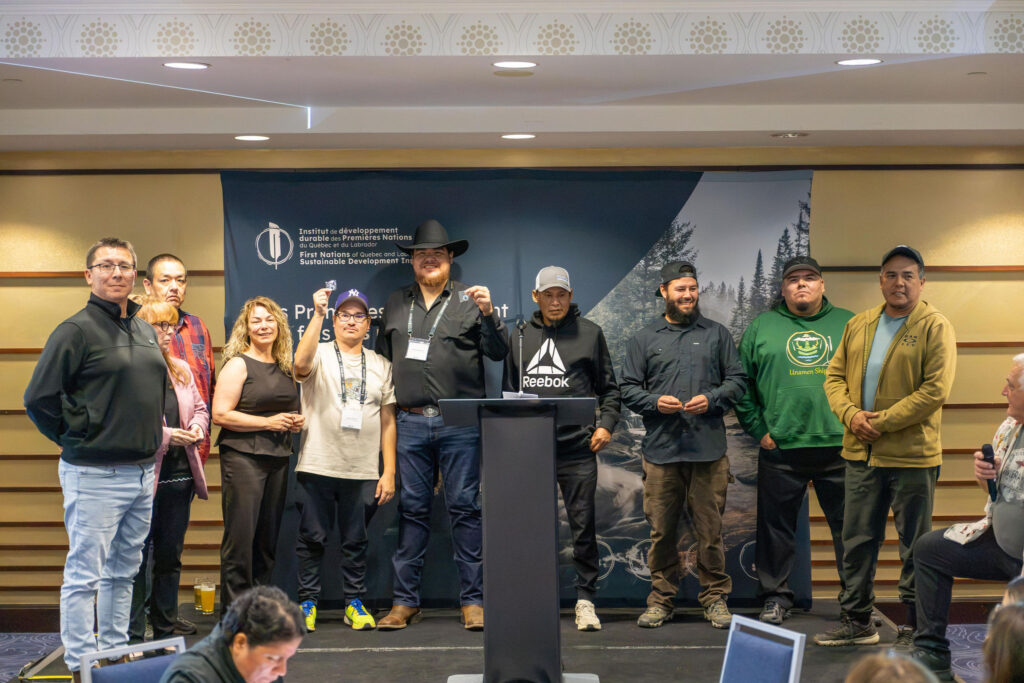
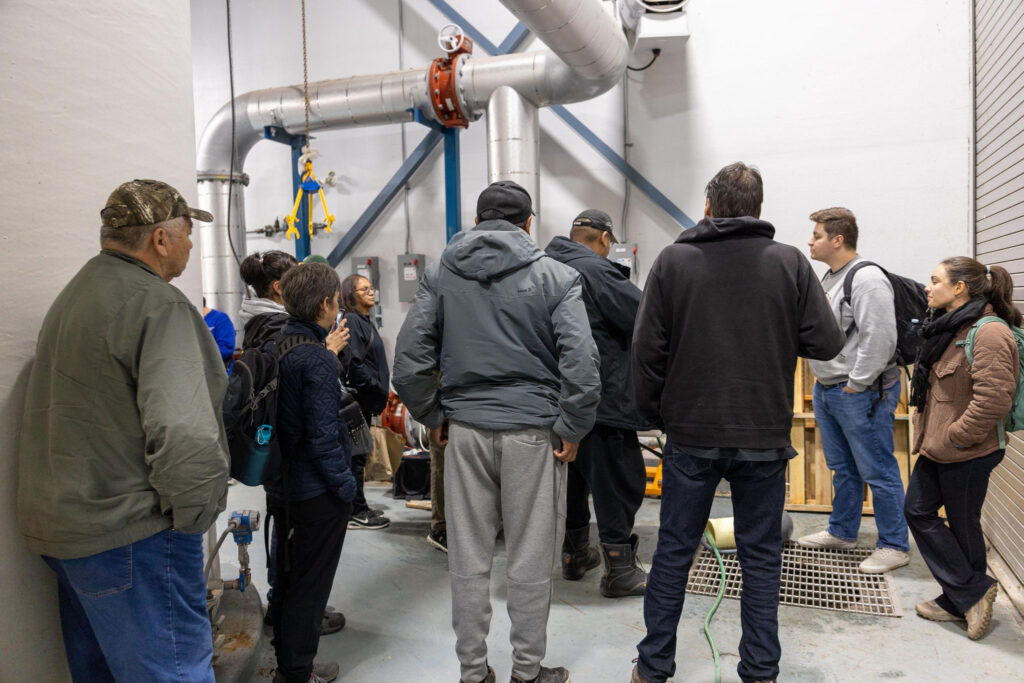
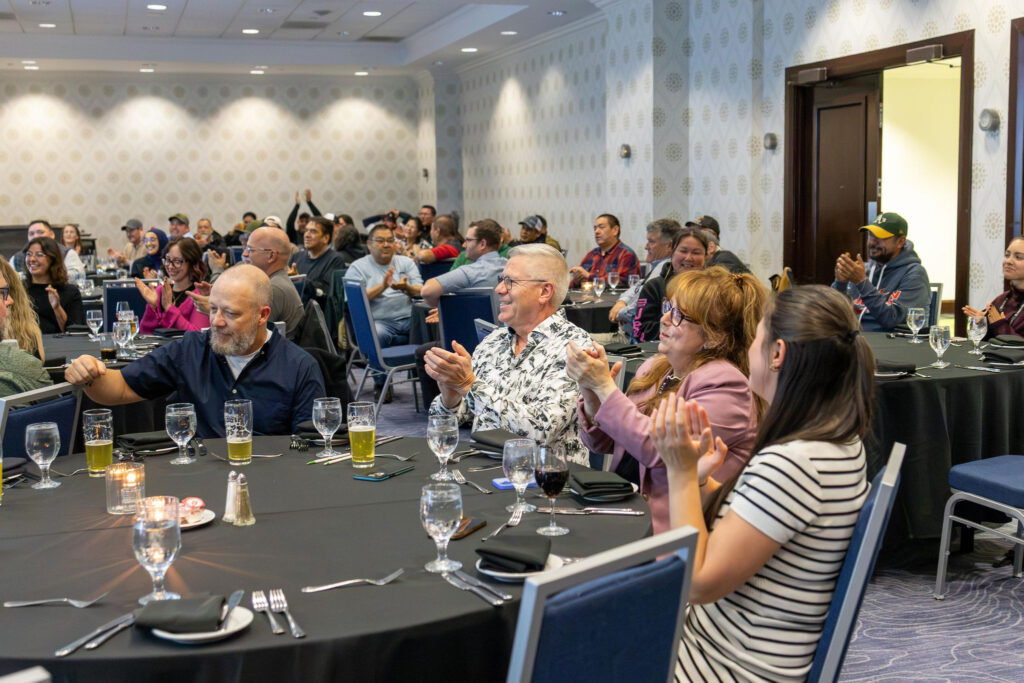
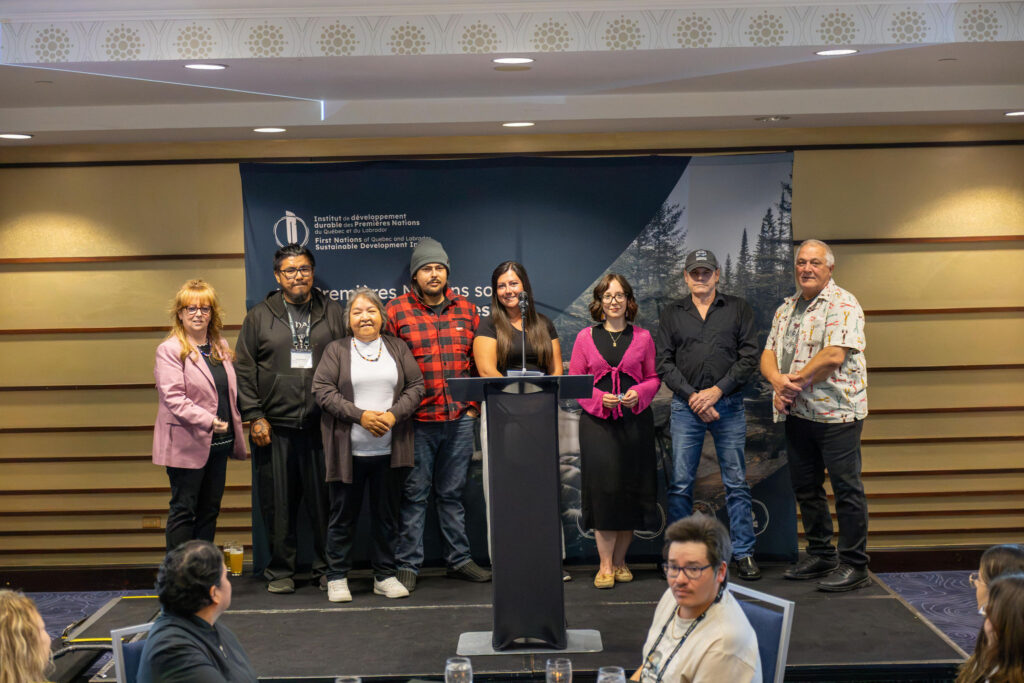
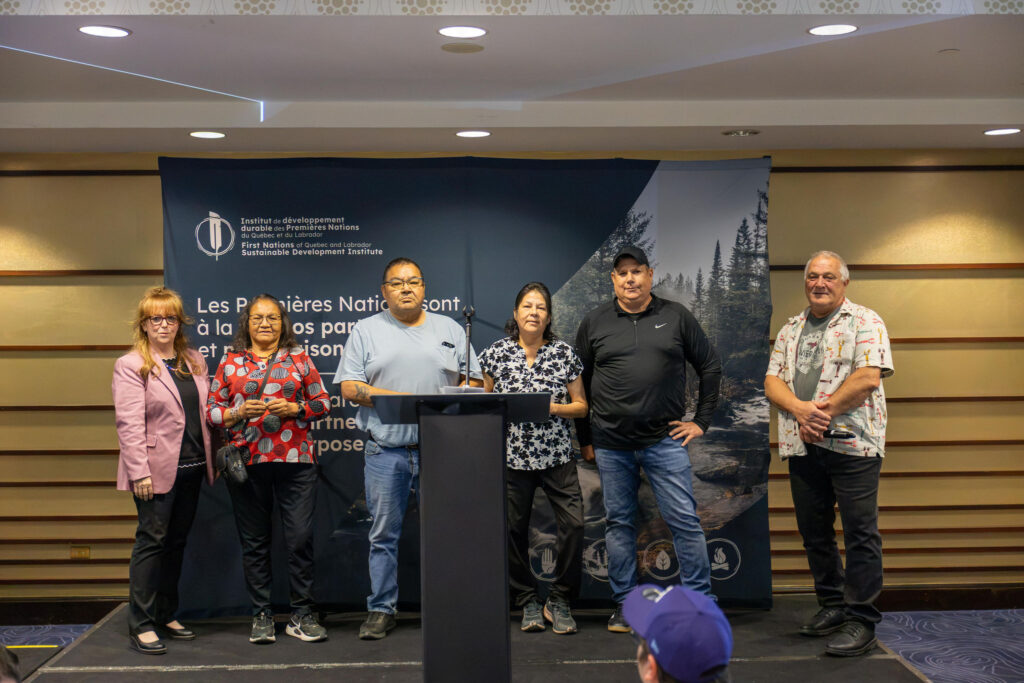
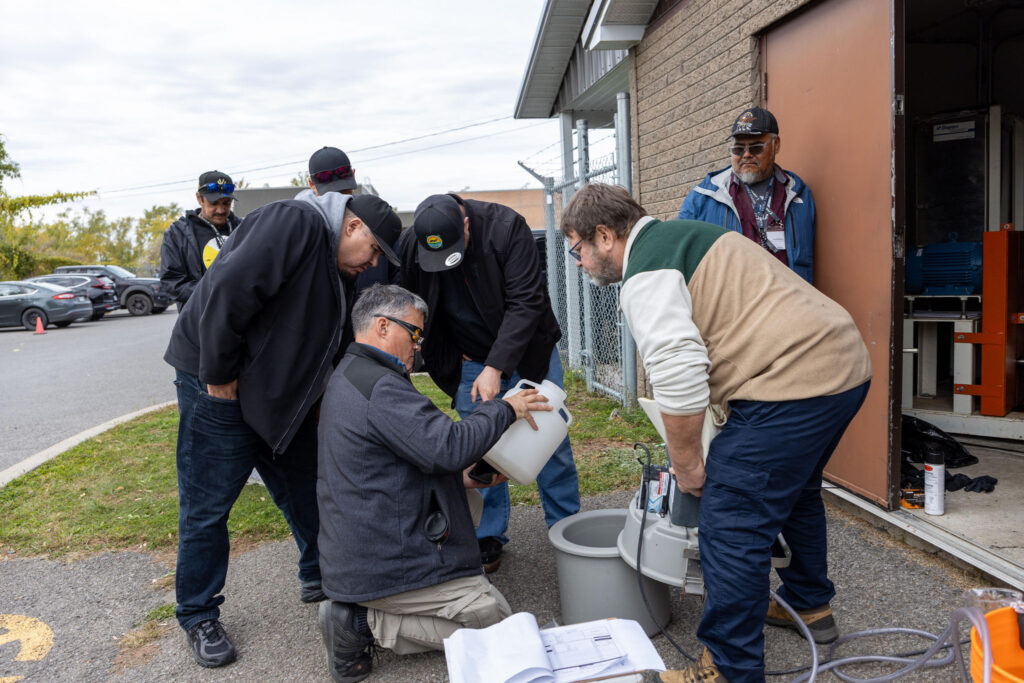
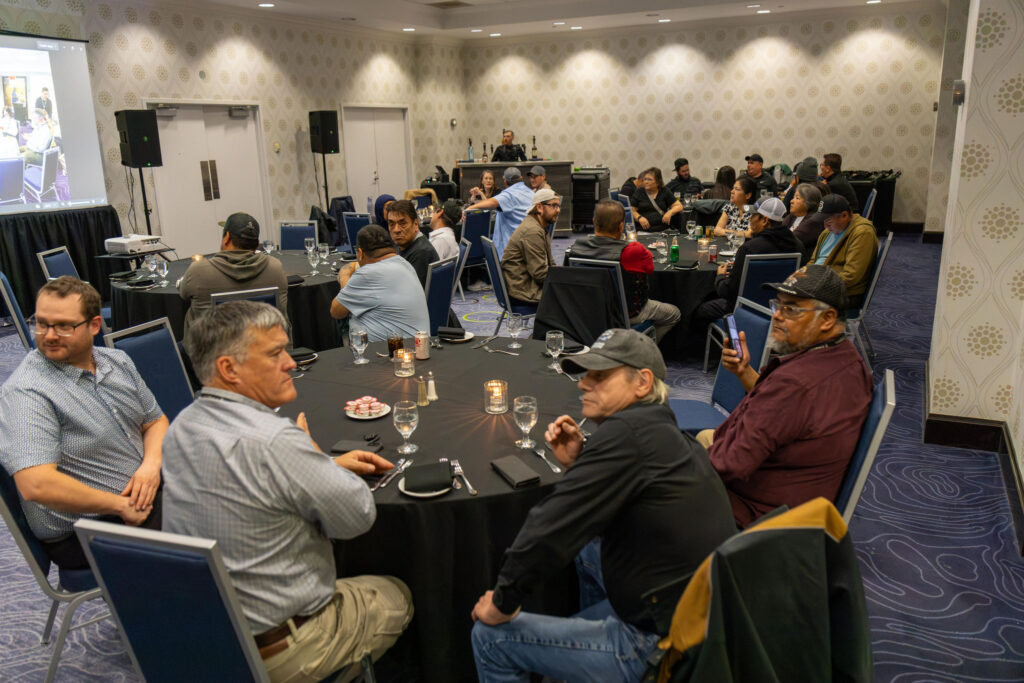
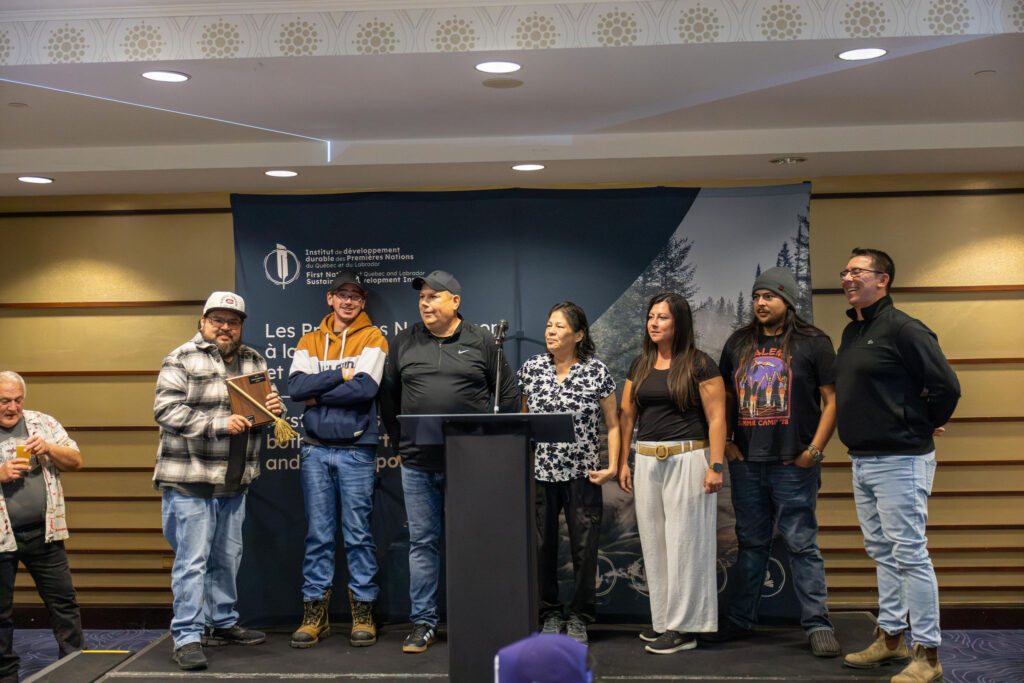
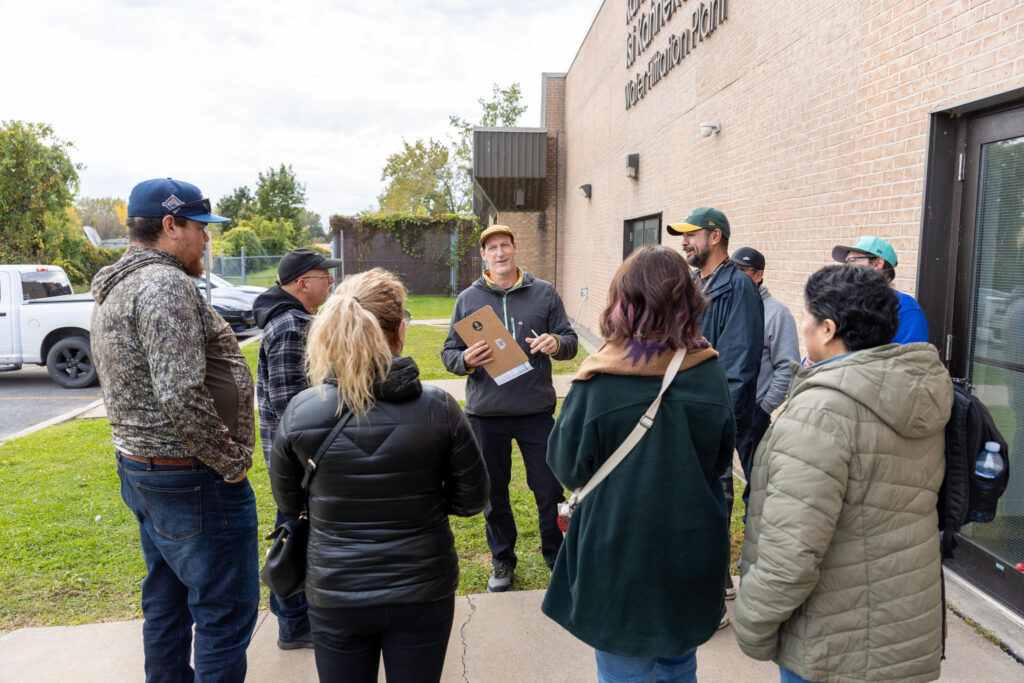
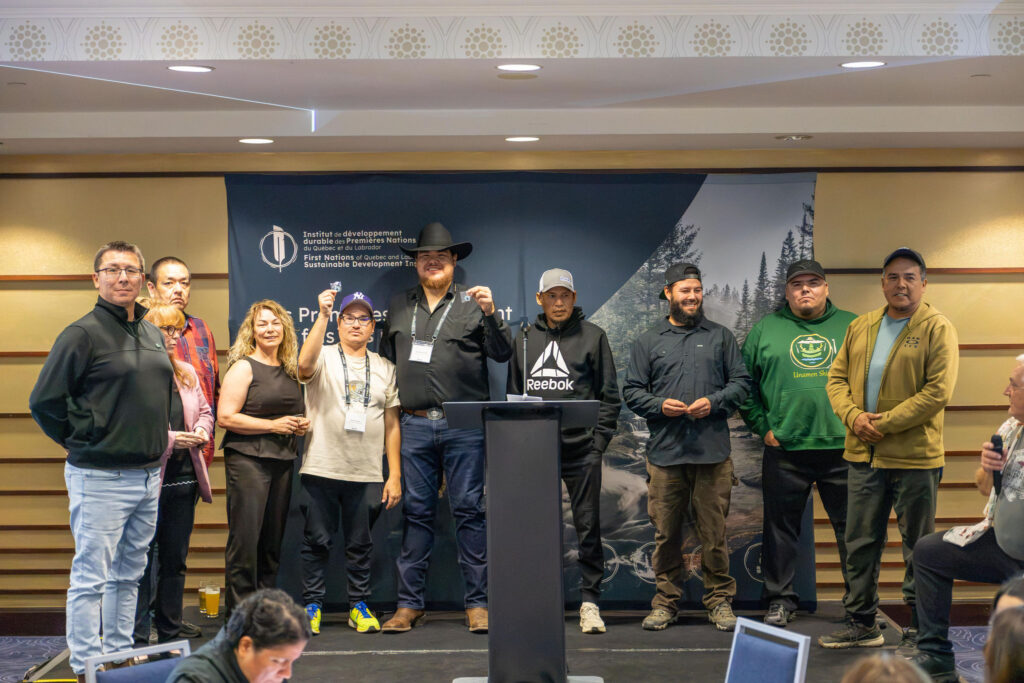
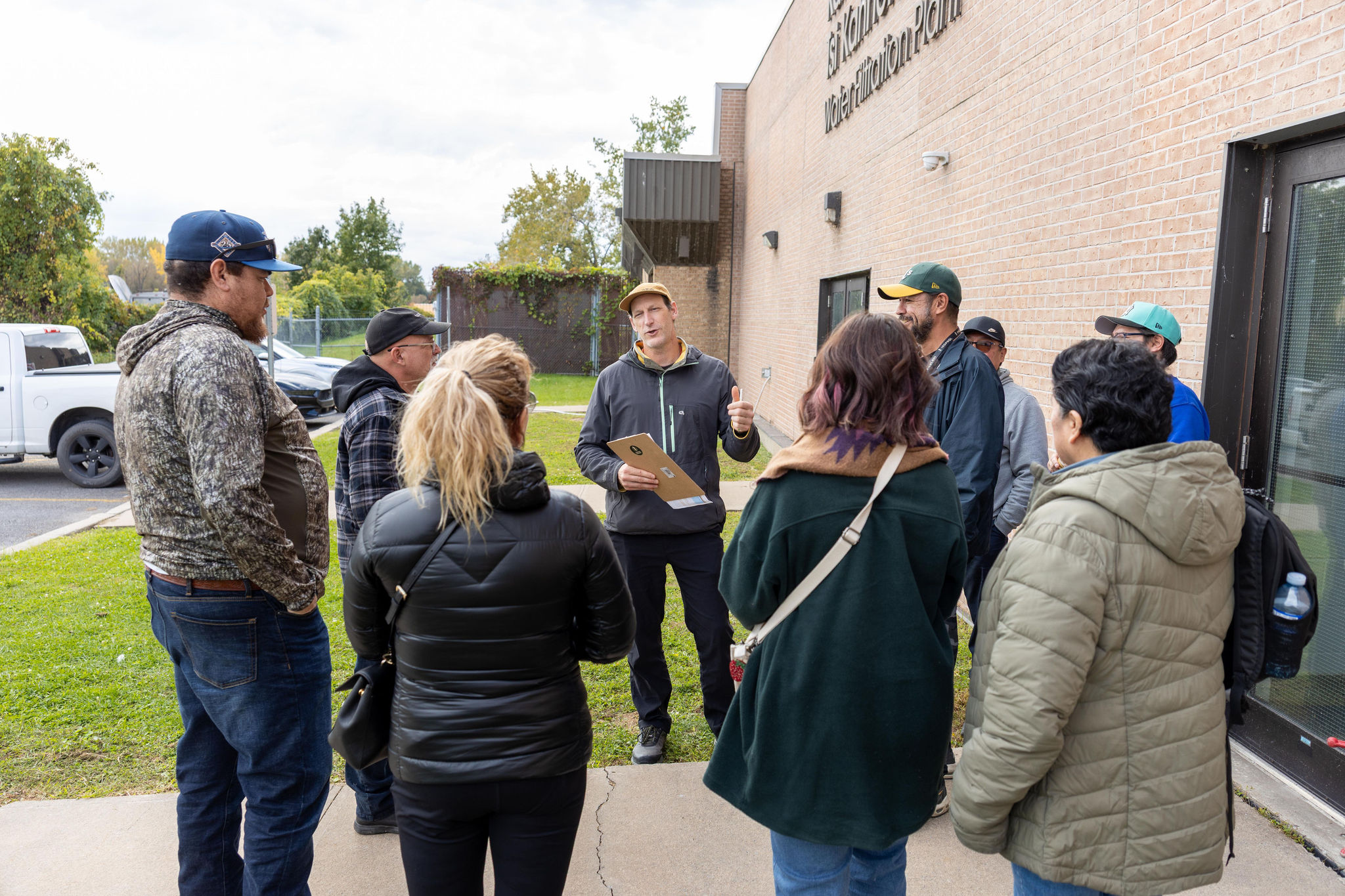
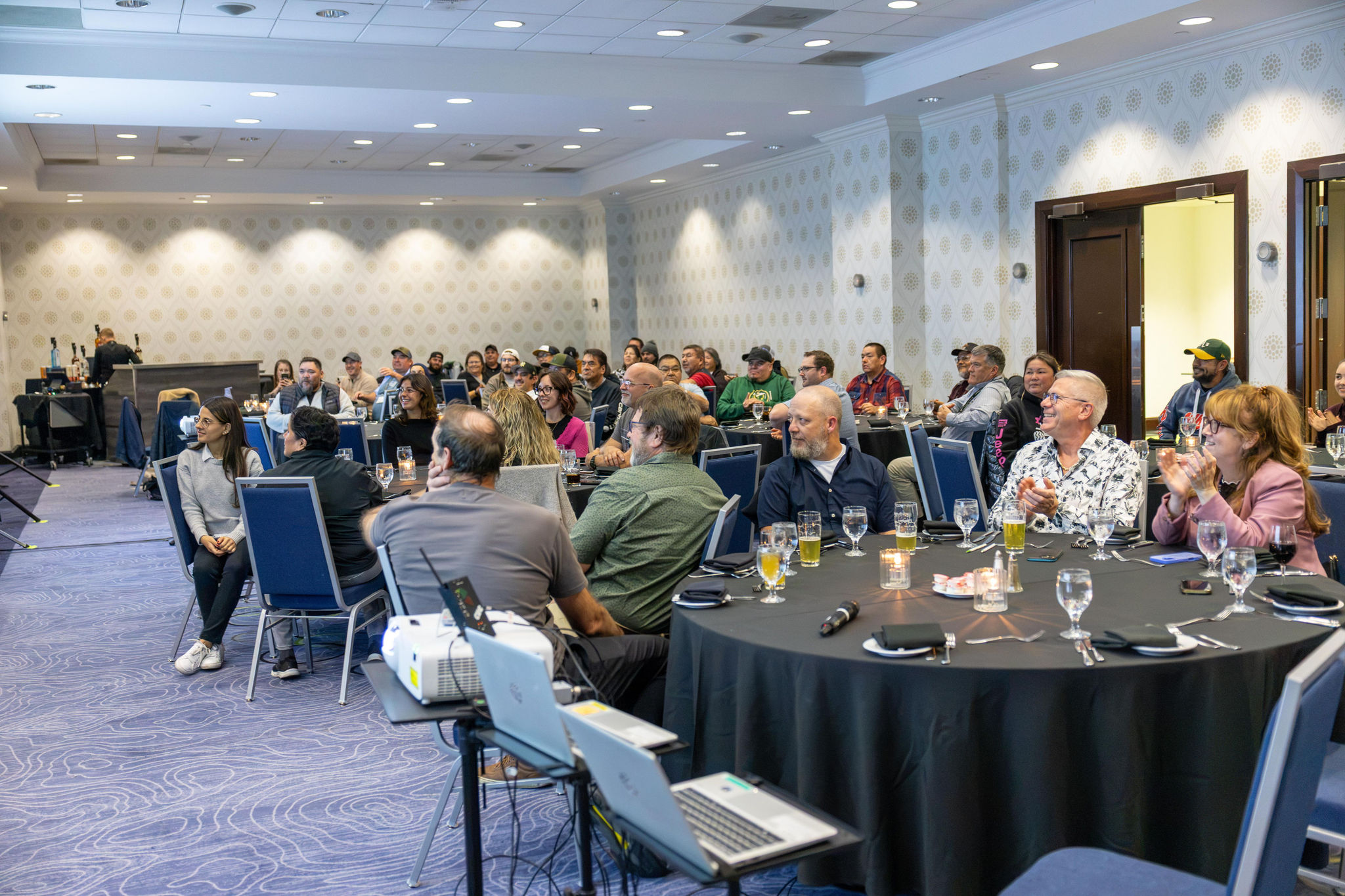
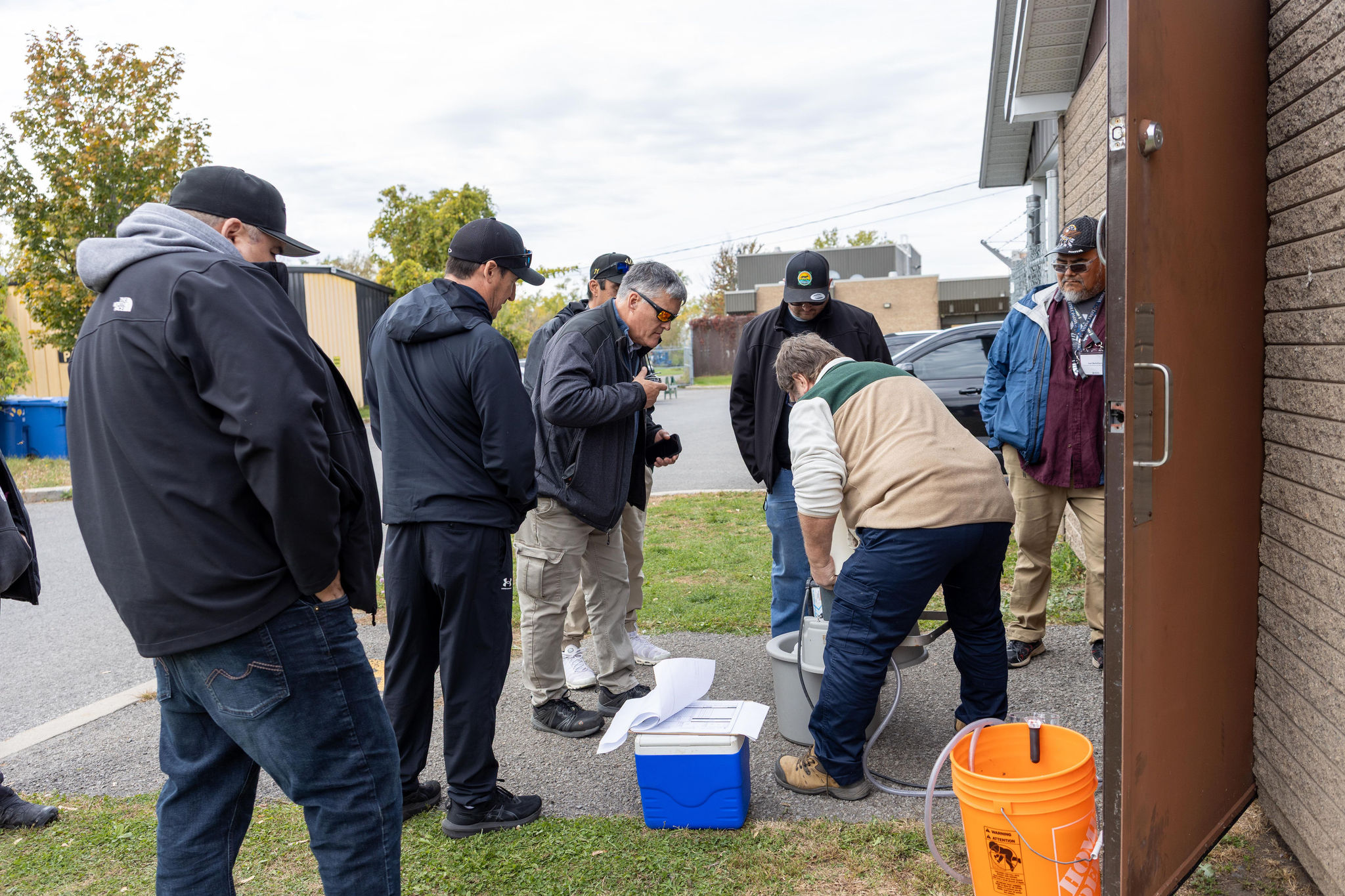
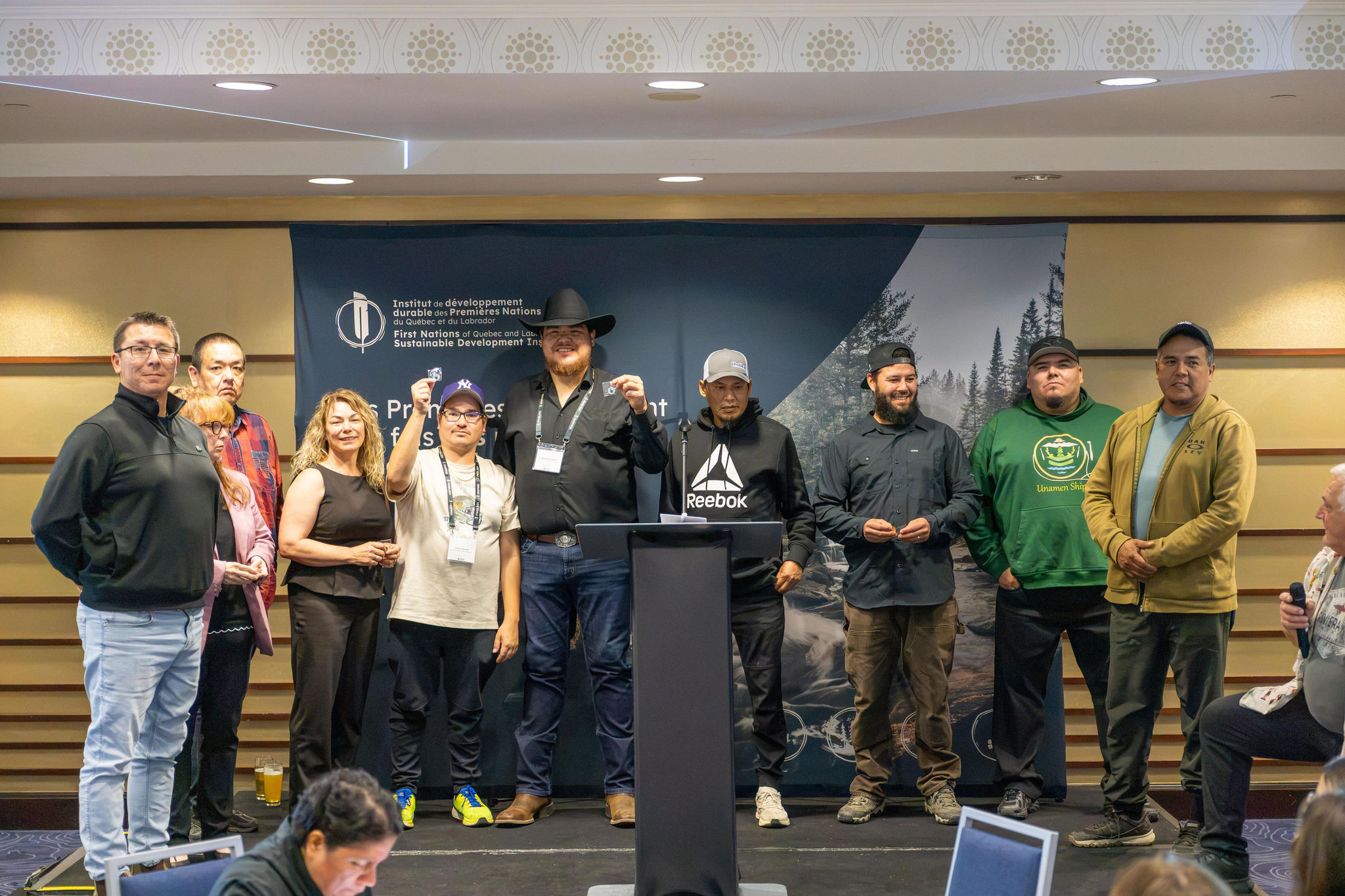
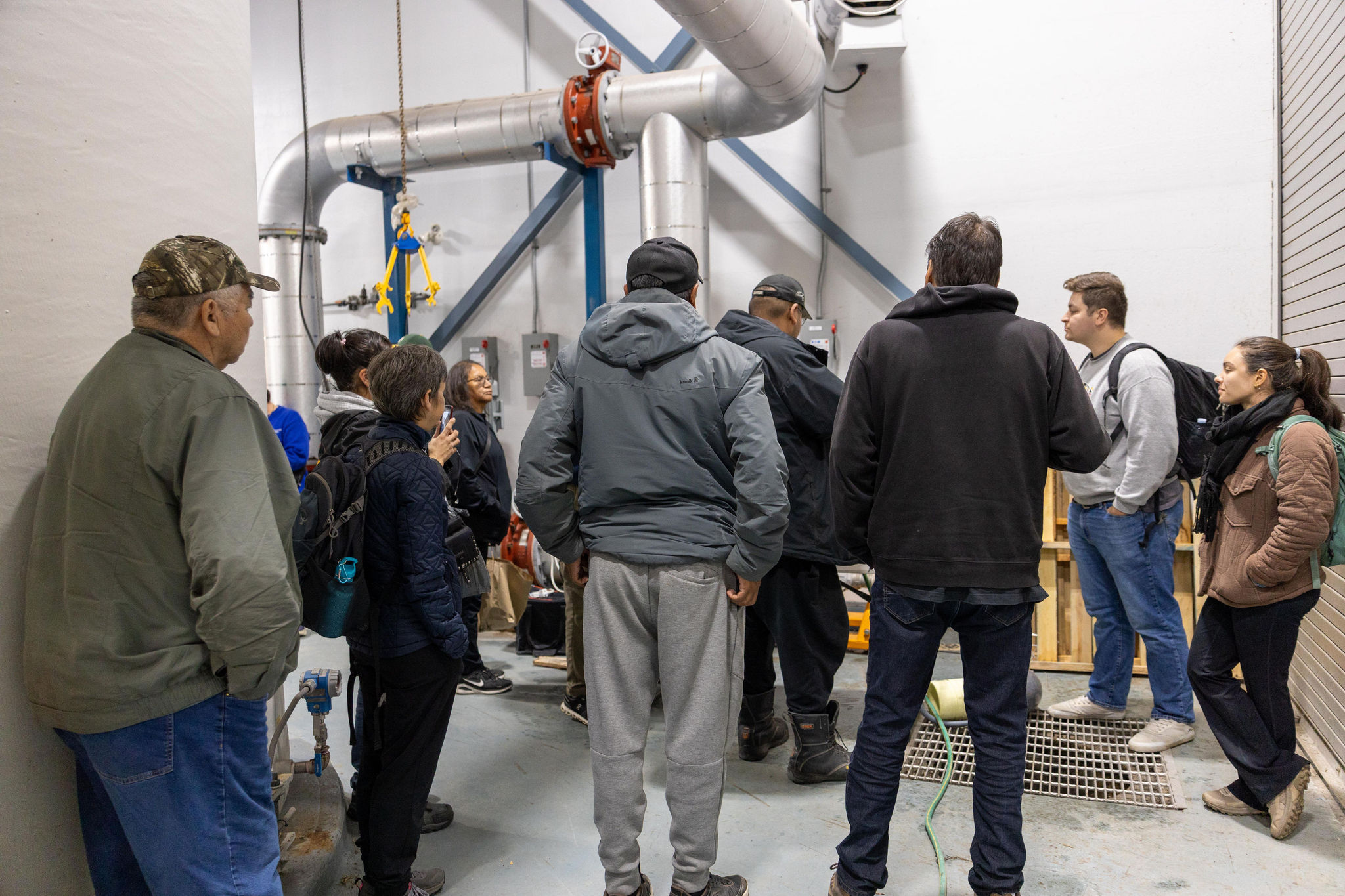
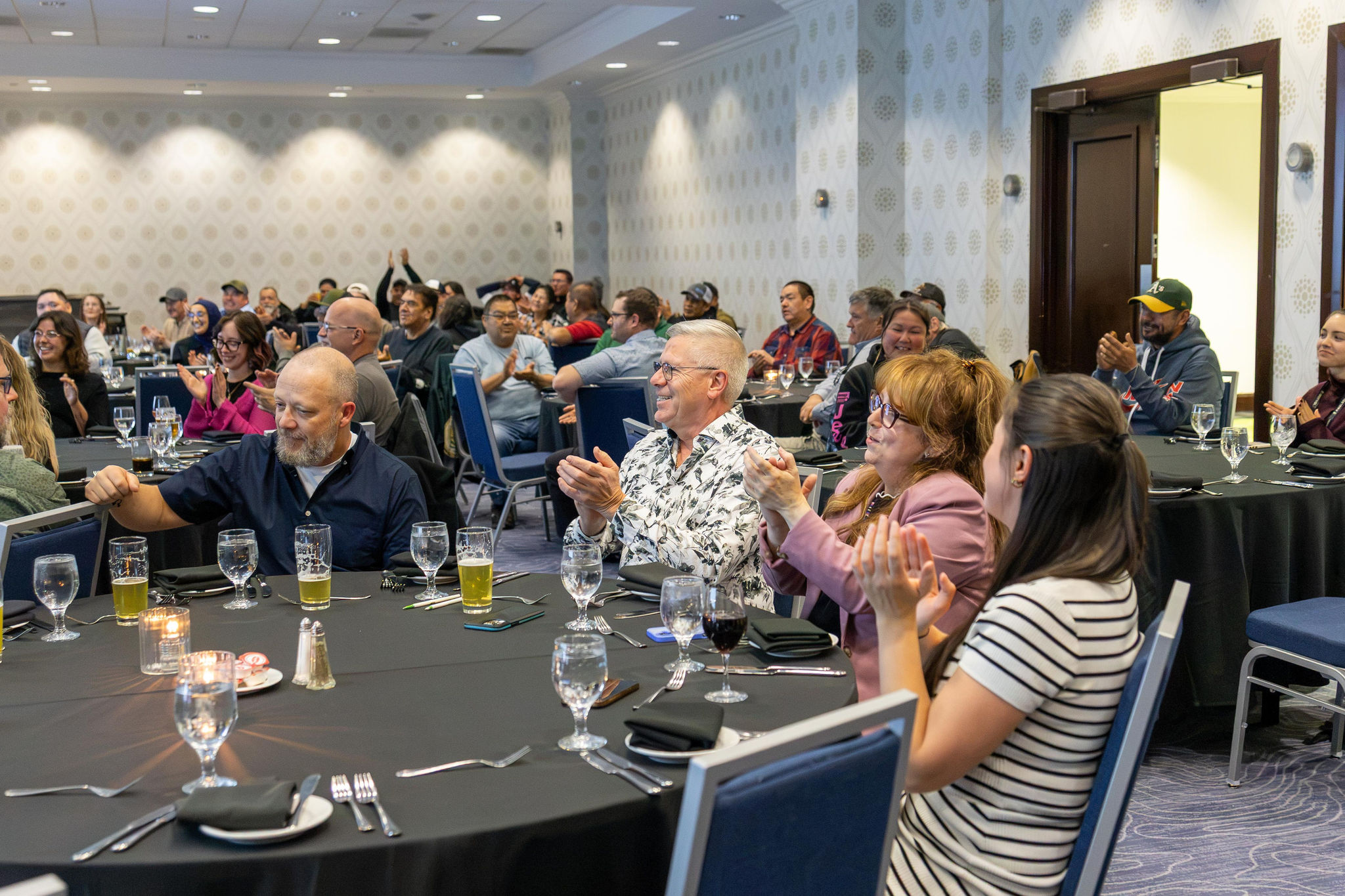
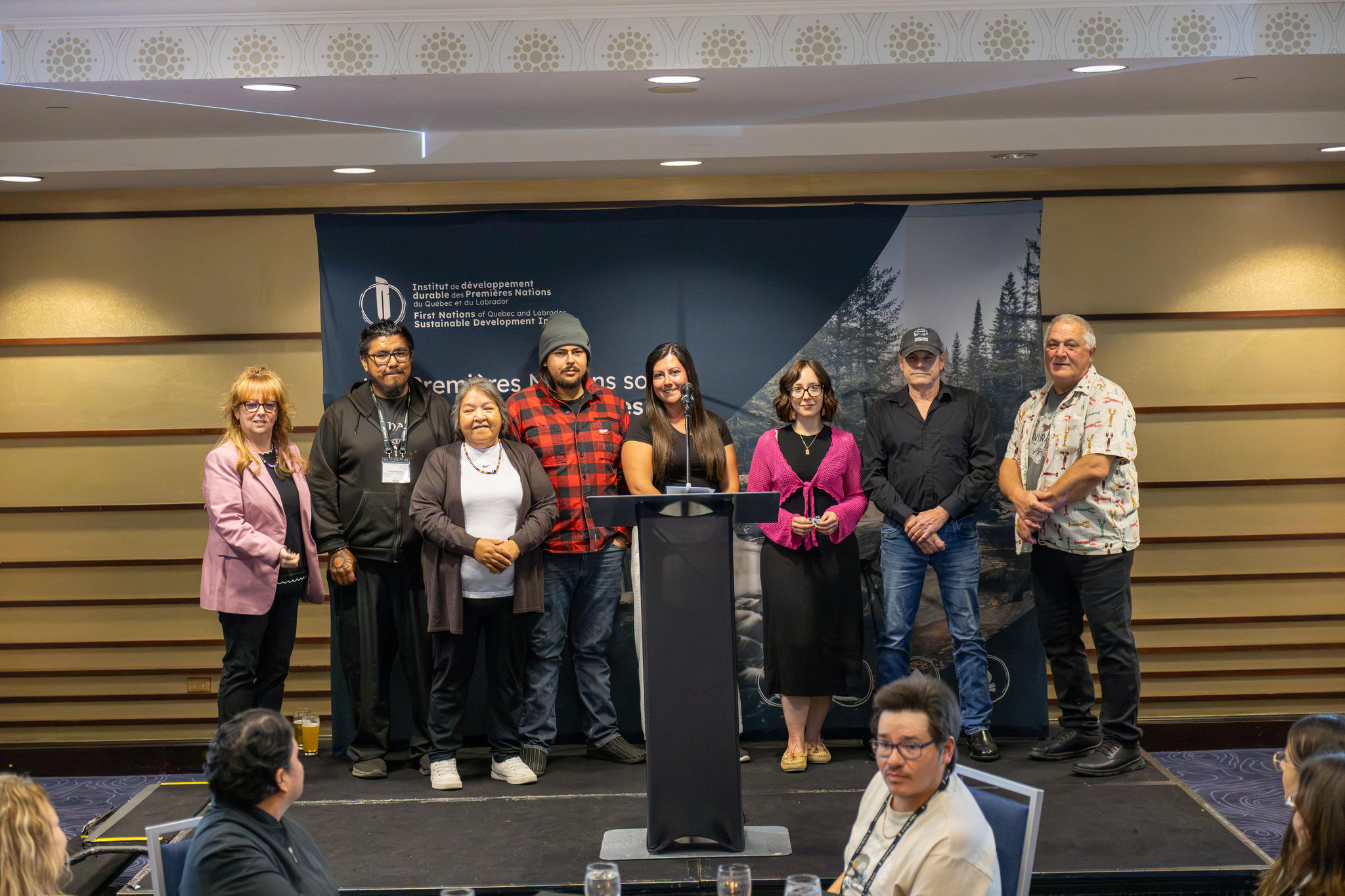
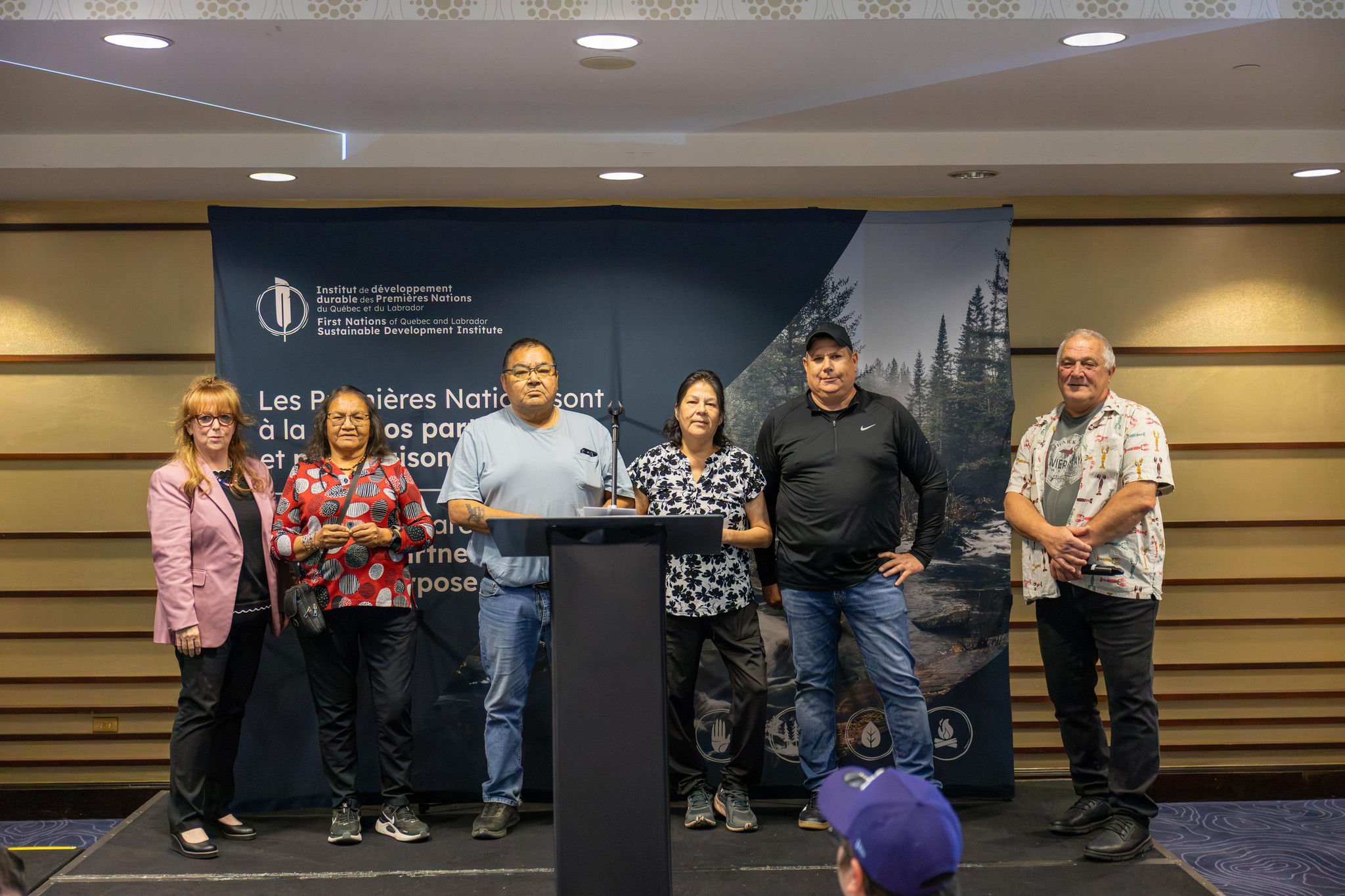
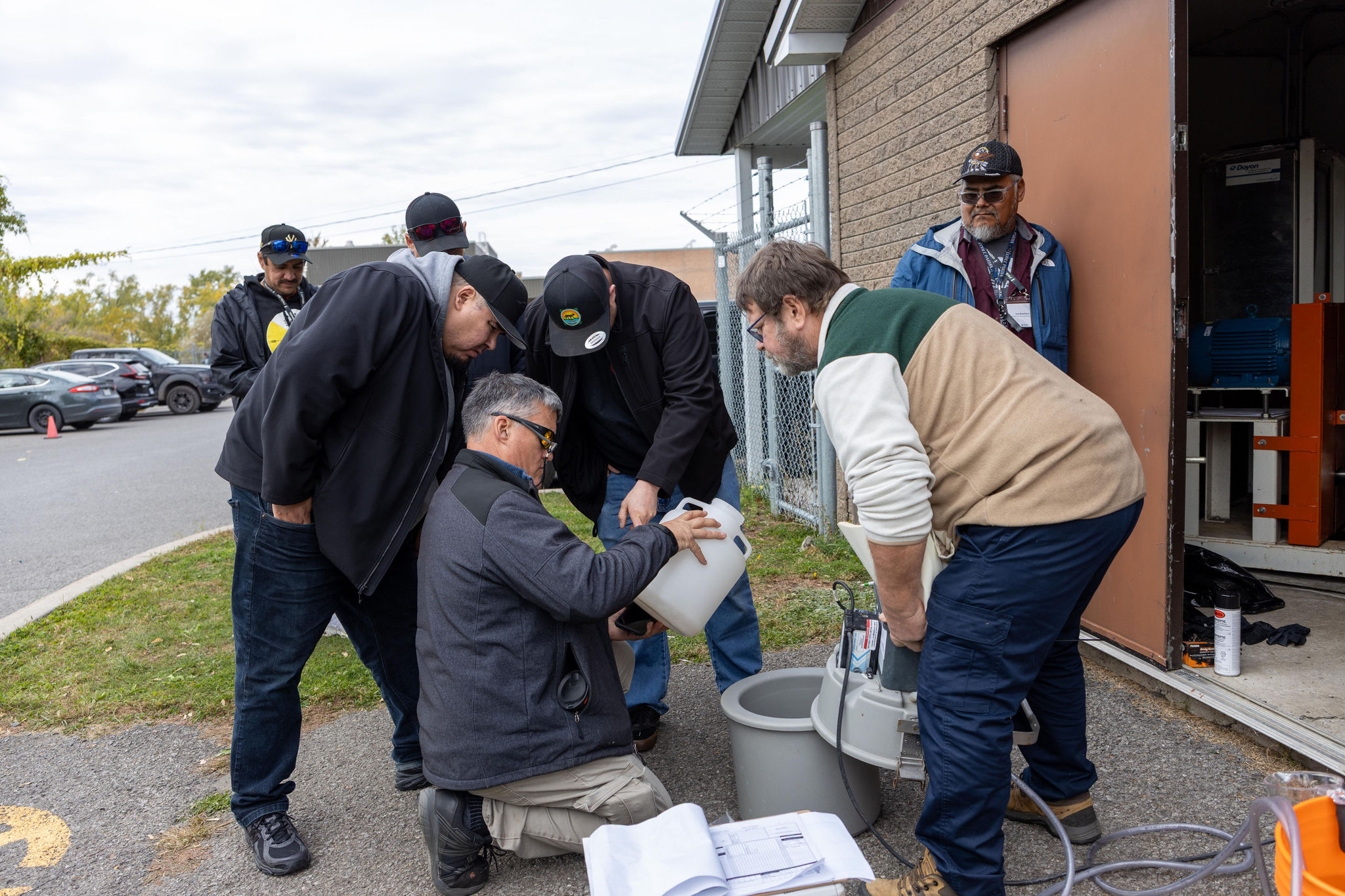
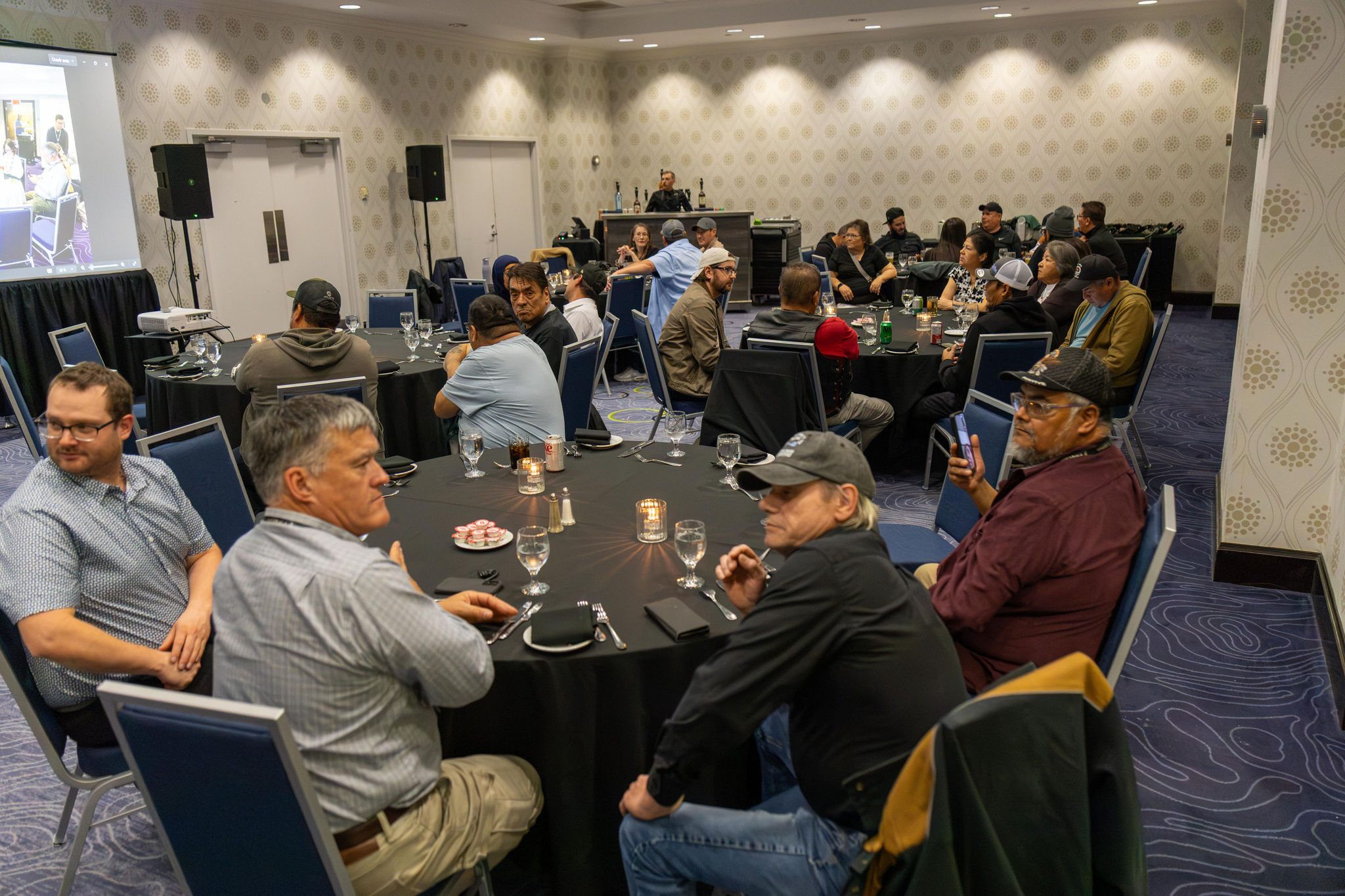
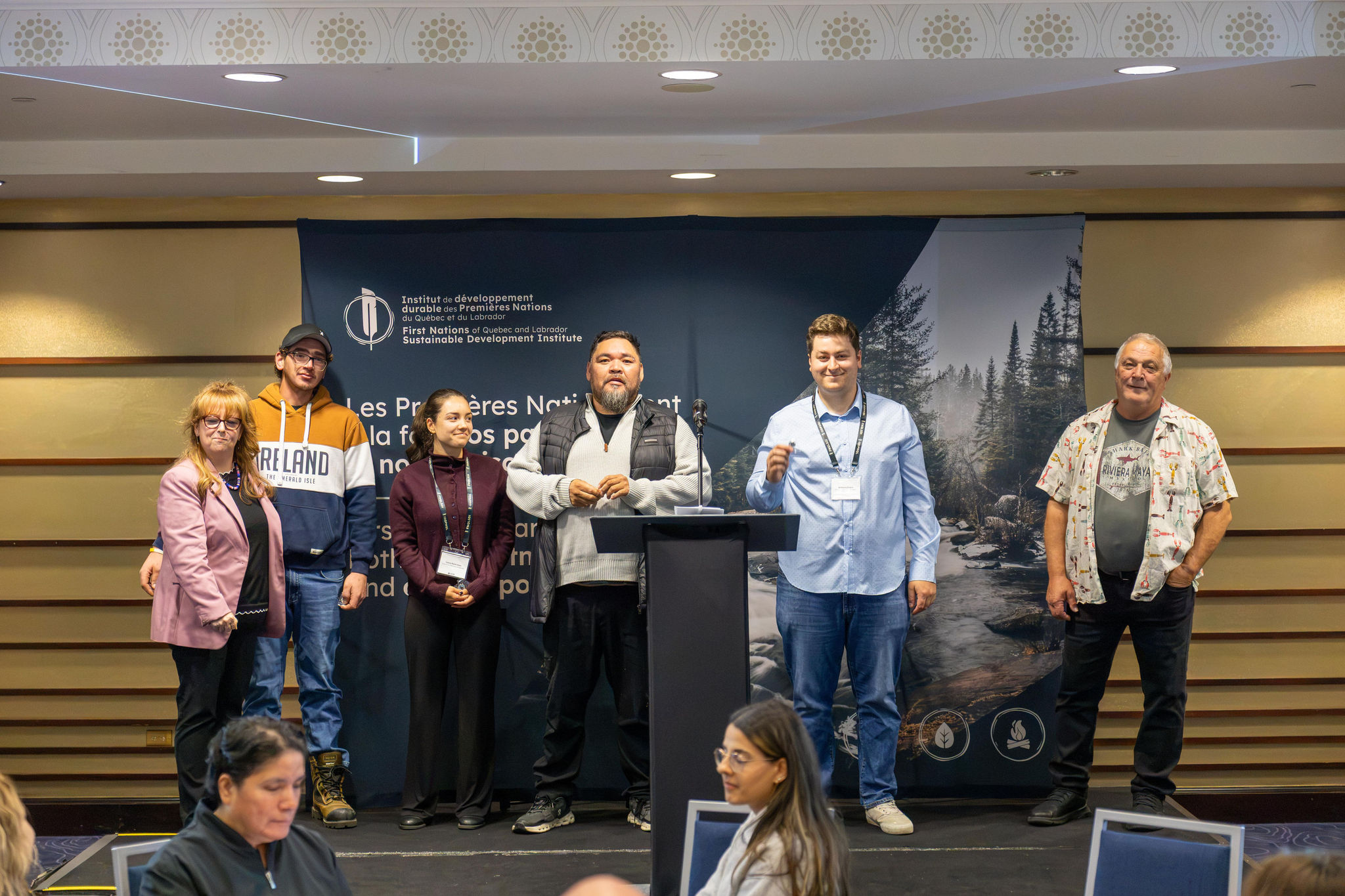
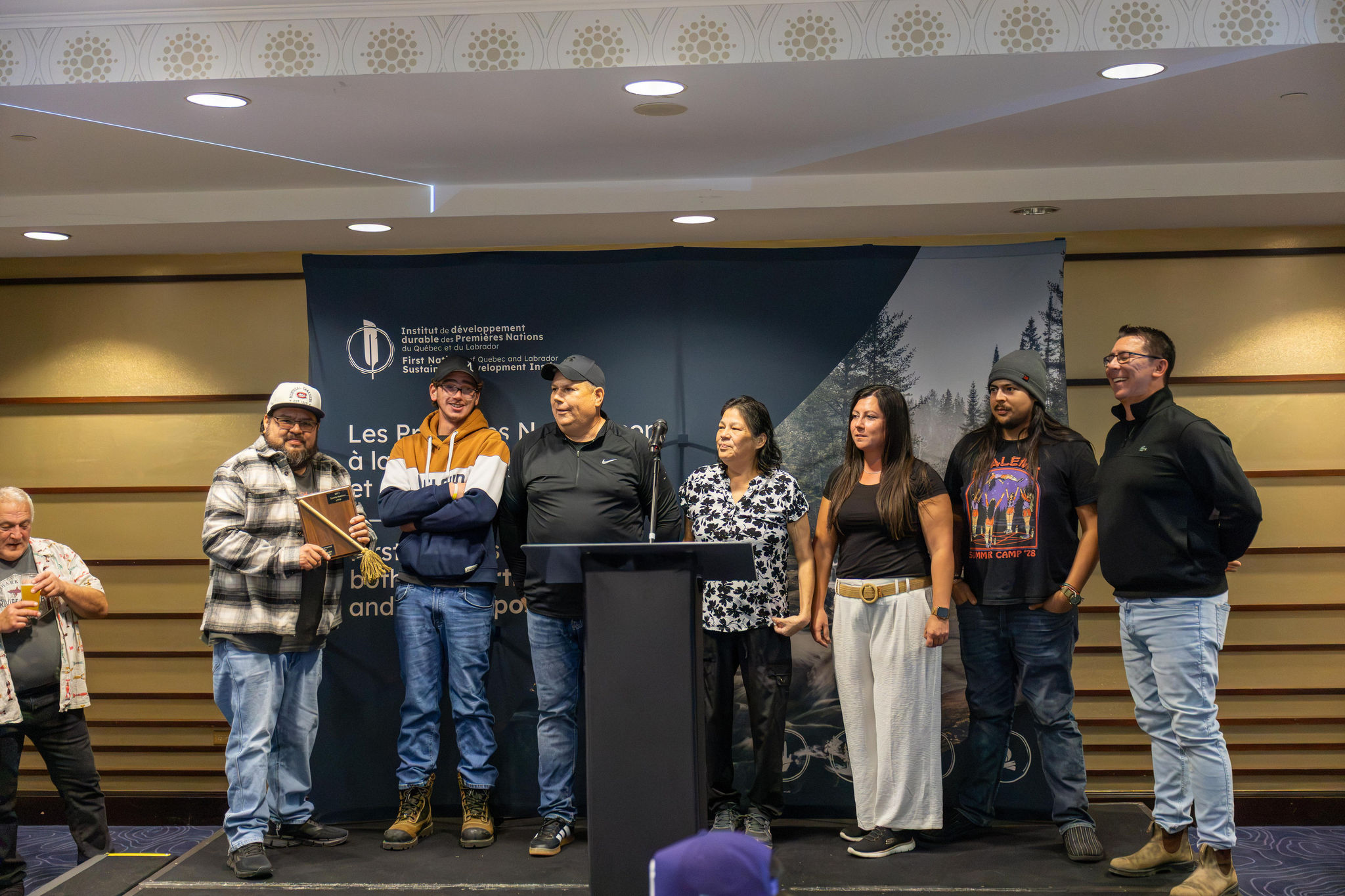
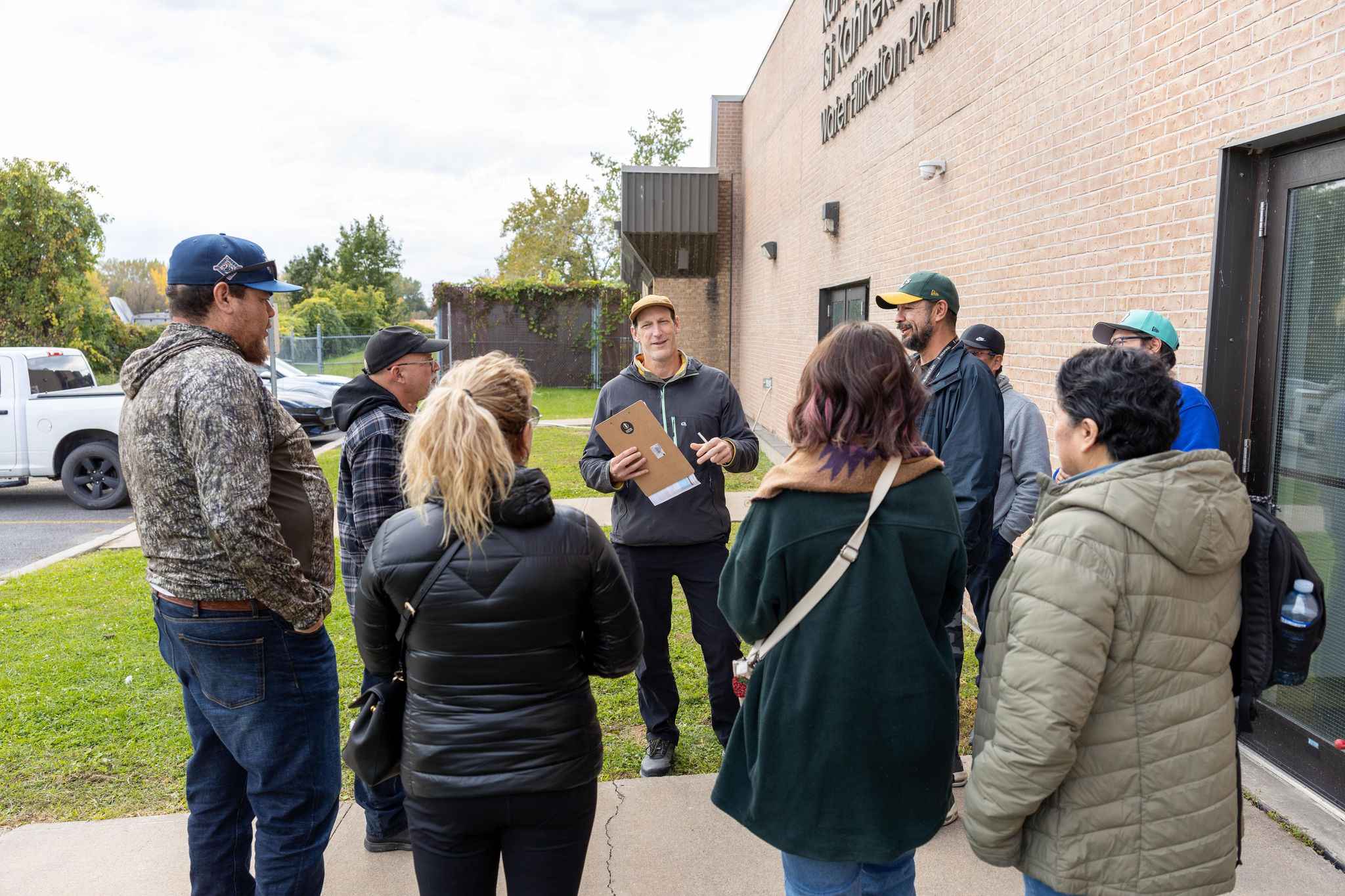
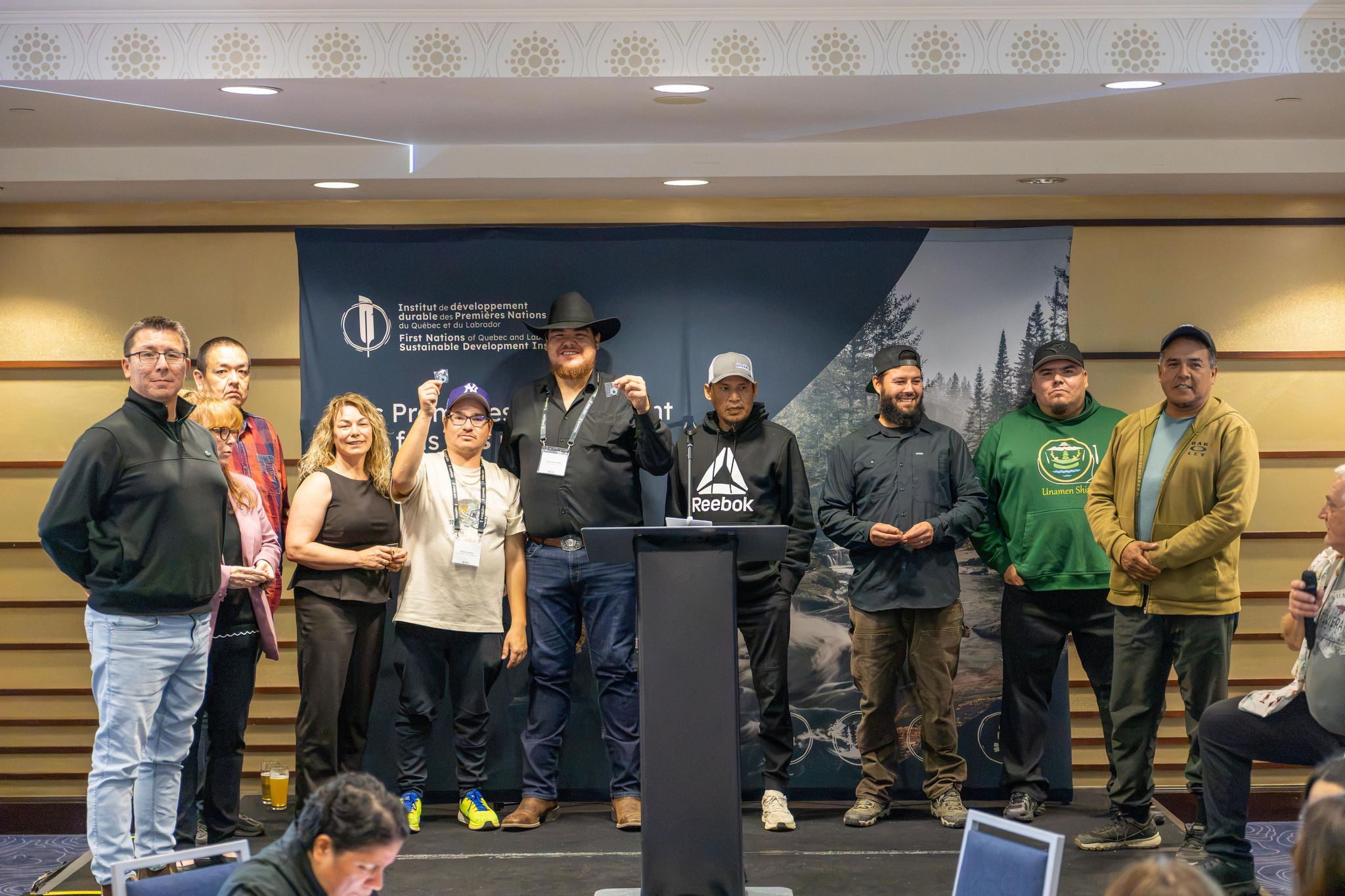
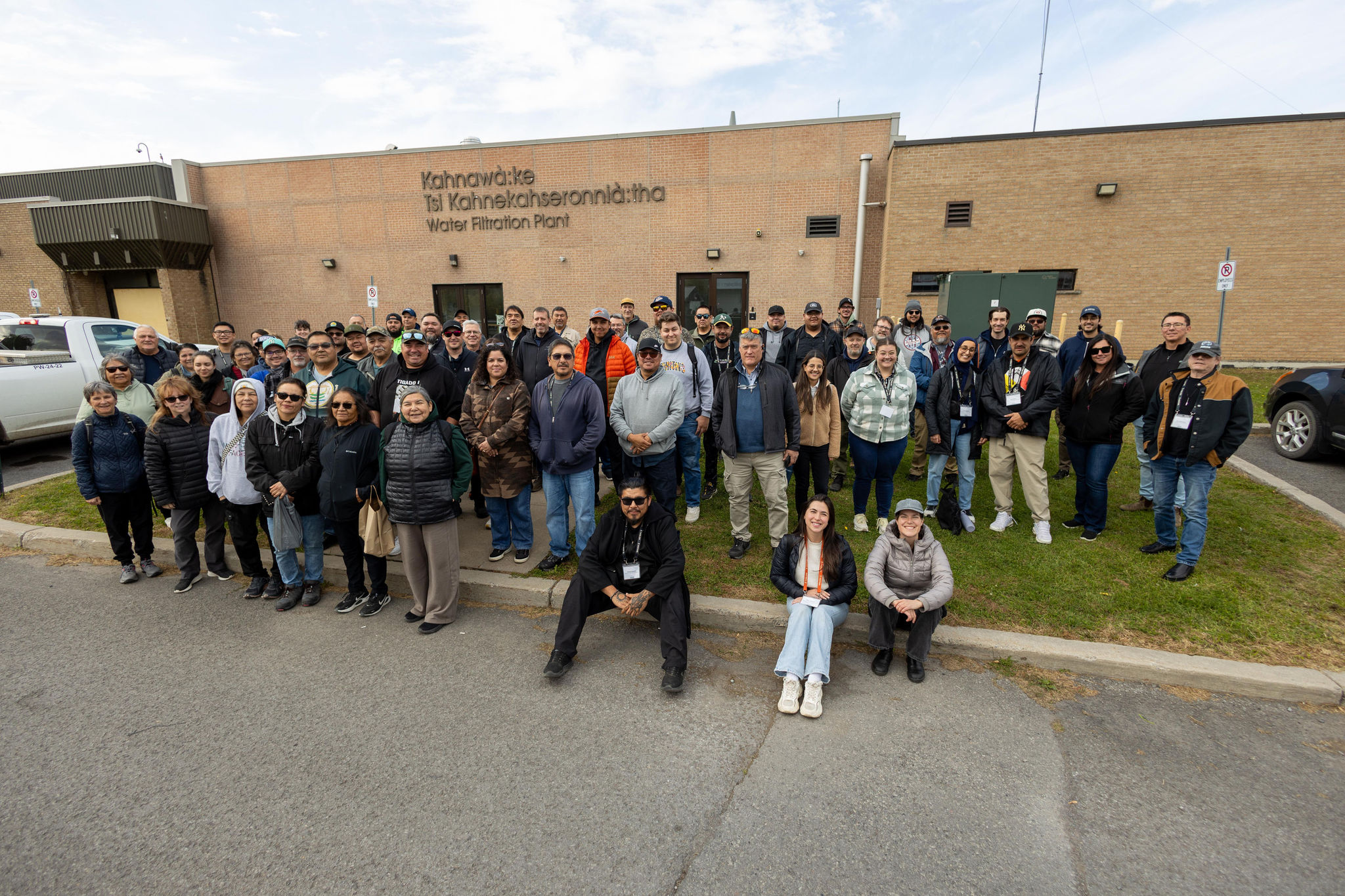
The second day took place in Kahnawà:ke, where the traditional Eaux-Lympiades were held. In this friendly competition, teams made up of people from different communities faced off in practical challenges that put their expertise and teamwork to the test. A gala dinner brought the day to a festive close. One of the evening’s most appreciated moments was the presentation of pins recognizing each person’s years of service in the water sector.
Ending on a high note
The third and final day gave us an opportunity to revisit highlights from the Eaux-Lympiades. A presentation on cross-connections and double-check backflow prevention devices followed, before the closing remarks.
Acknowledgements
We thank the community of Kahnawà:ke for welcoming us for the Water Olympics.
Thank you to our presenters: Dr. Daphnée Veilleux-Lemieux of Chiots Nordiques; Louis Hébert and Hugo Sabourin of Veolia; Violaine Ponsin of UQAM; Sarah Dorner of Polytechnique Montréal; Patrick Lelièvre of P-Logix; Ramona Dascal and François Aubé of Bureau Veritas; Sonia Gavin of ISC; and our colleagues Angelo Charest, Marc LeMay and Maïka Dussault.
We also thank all participants for their energy and contributions throughout these three days.
This event was made possible through the financial support of the Direct Service Delivery and Infrastructure, Lands and Environment directorates of Indigenous Services Canada (ISC)