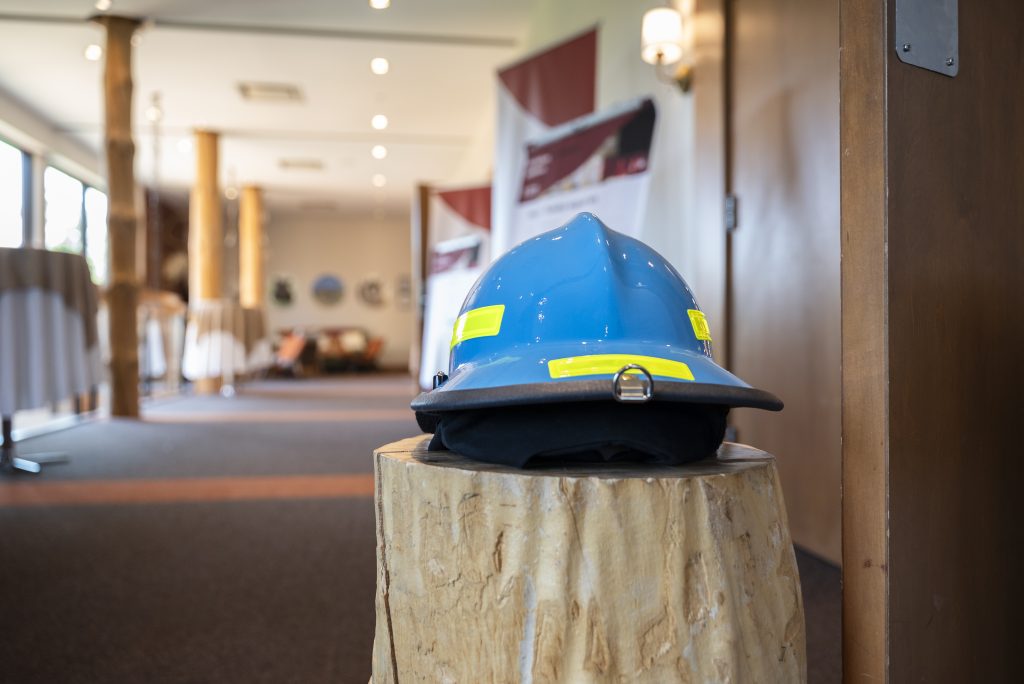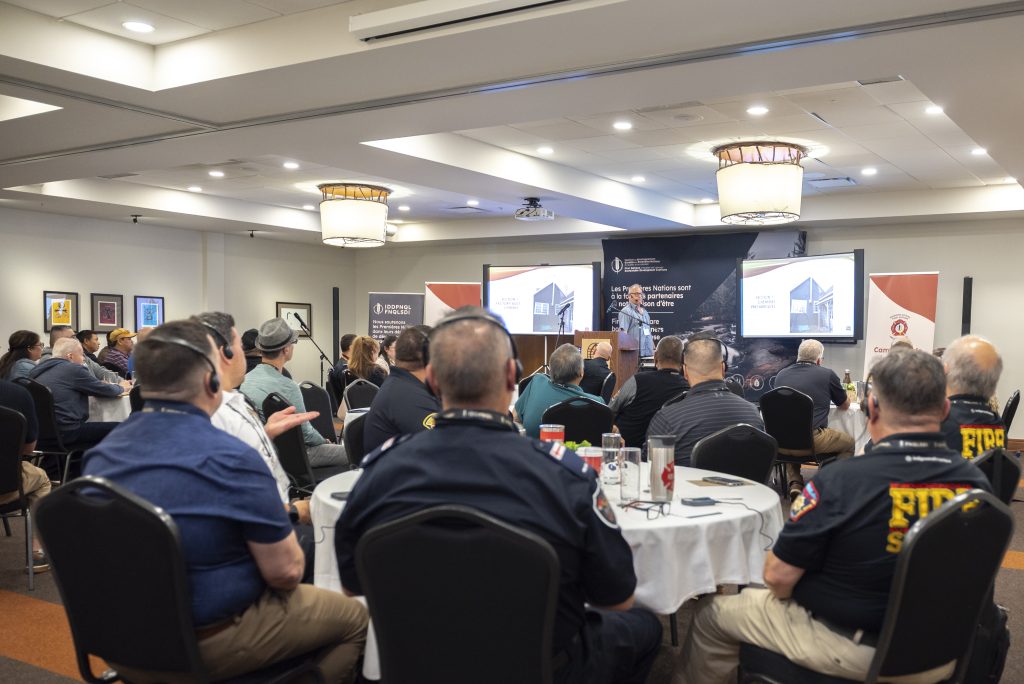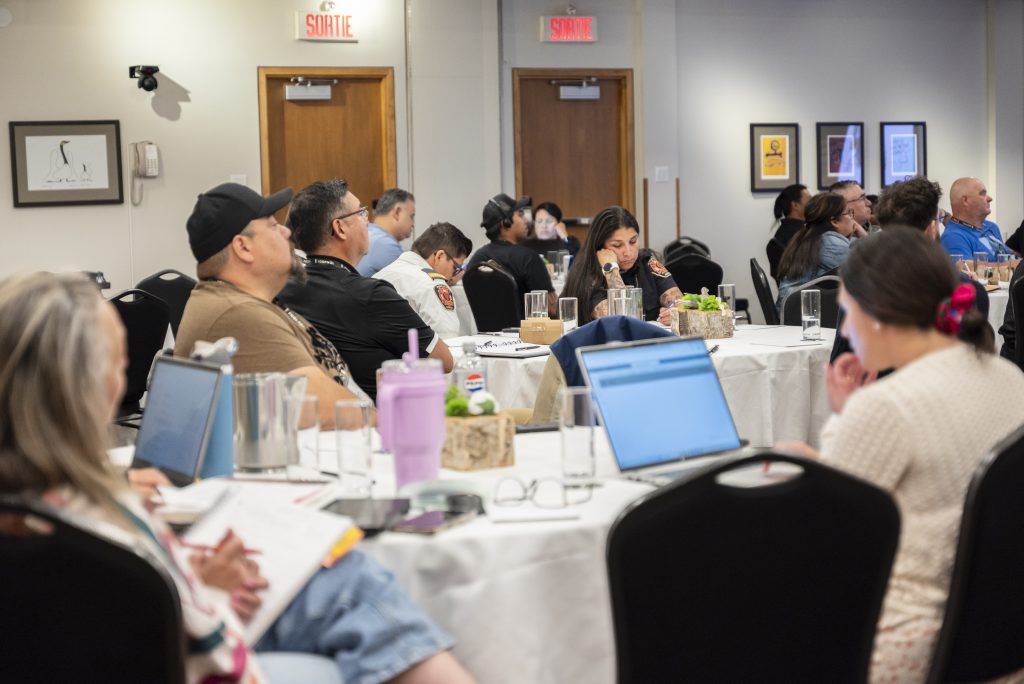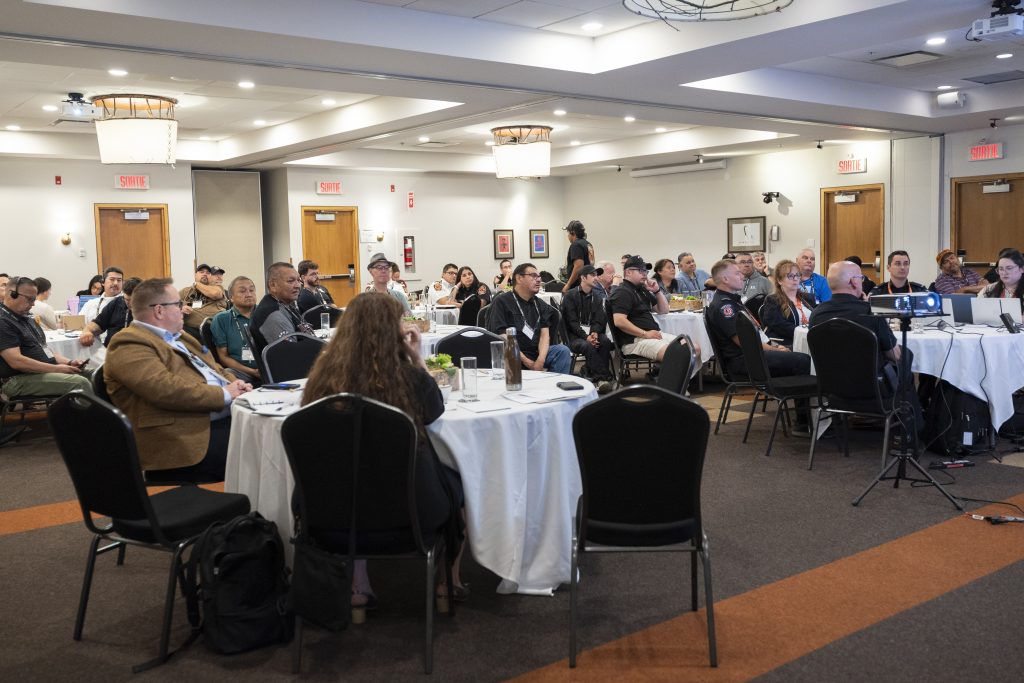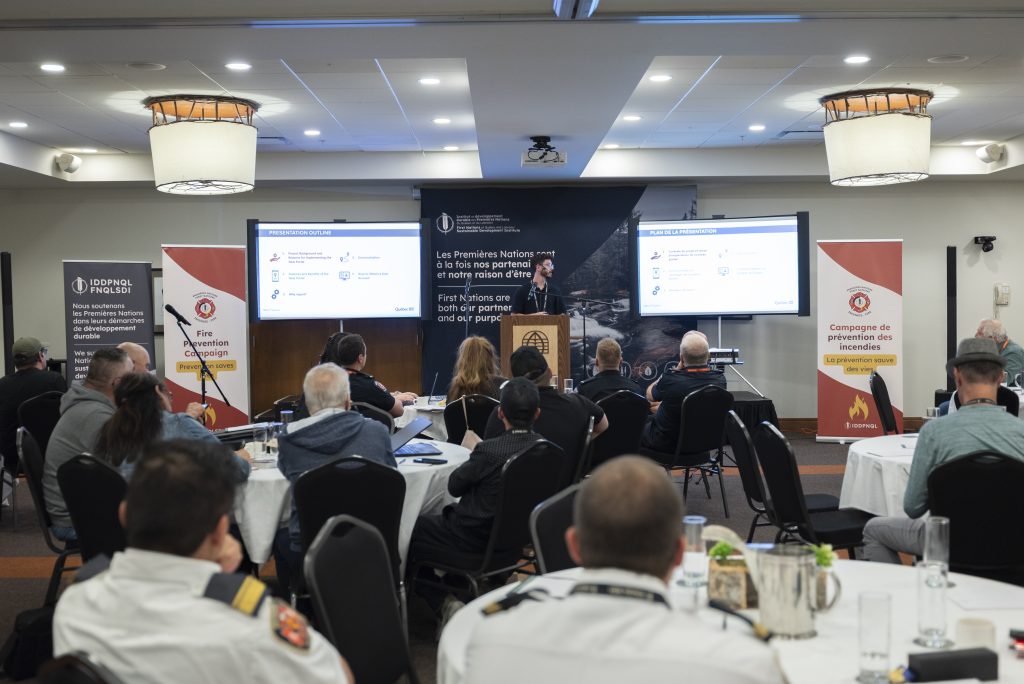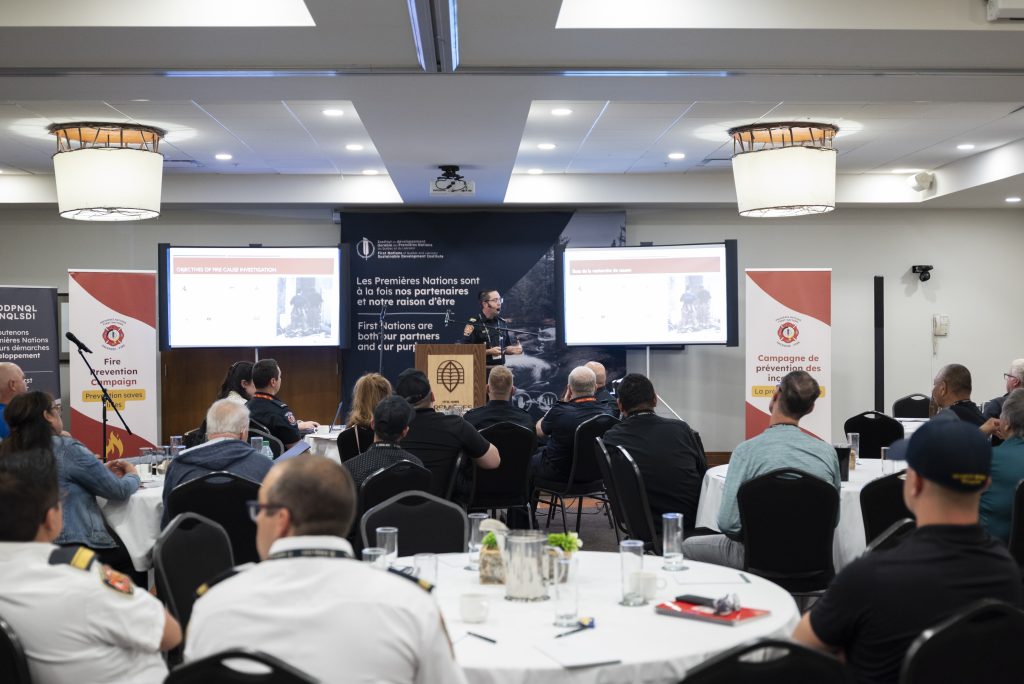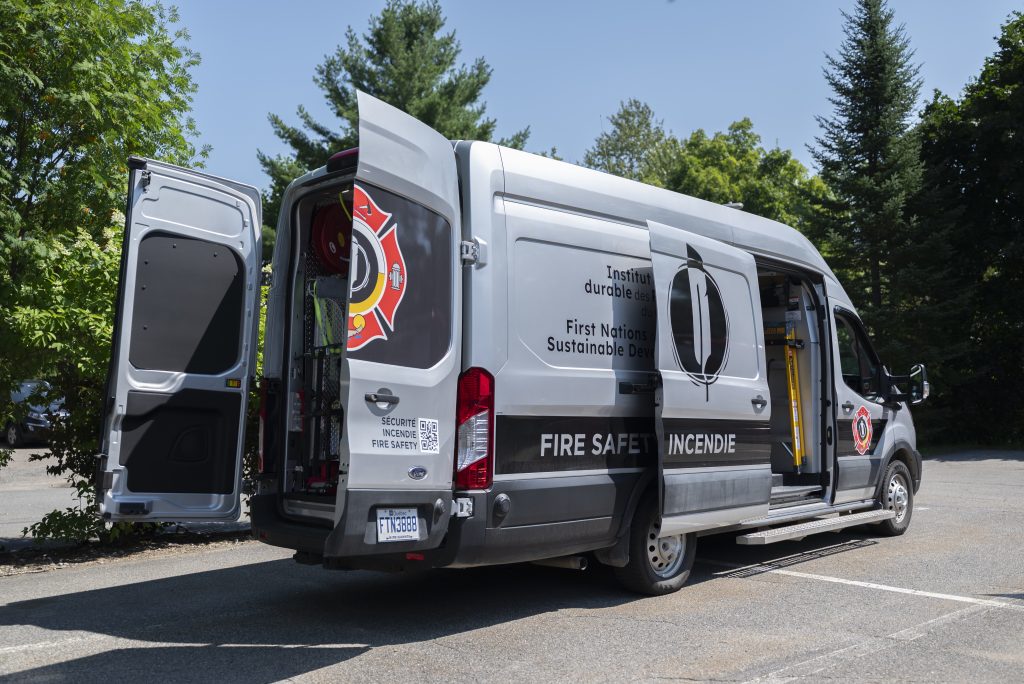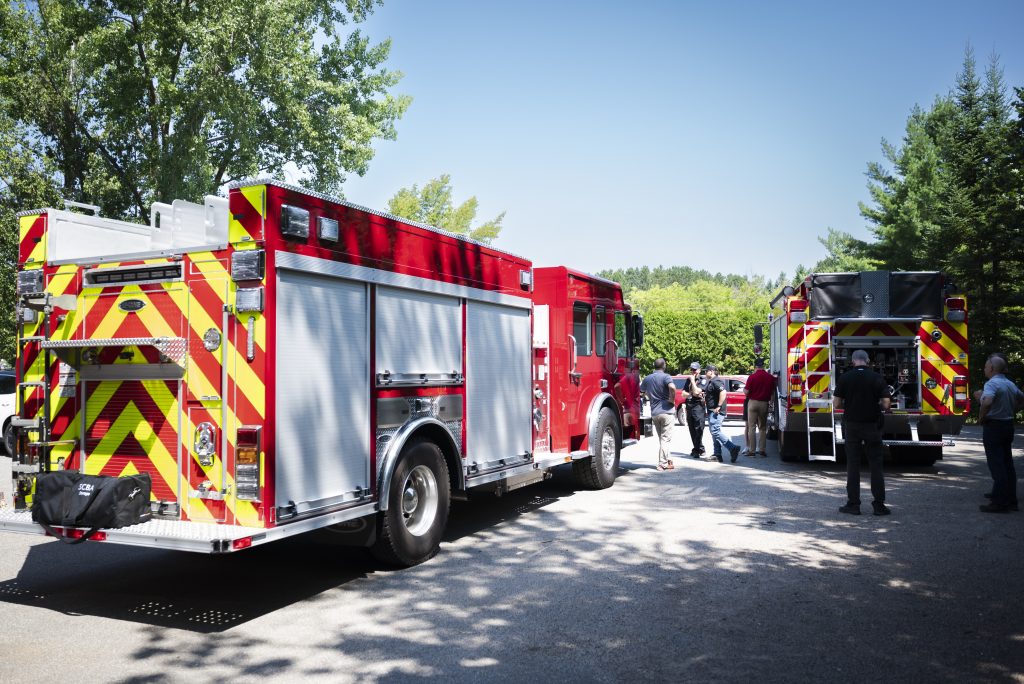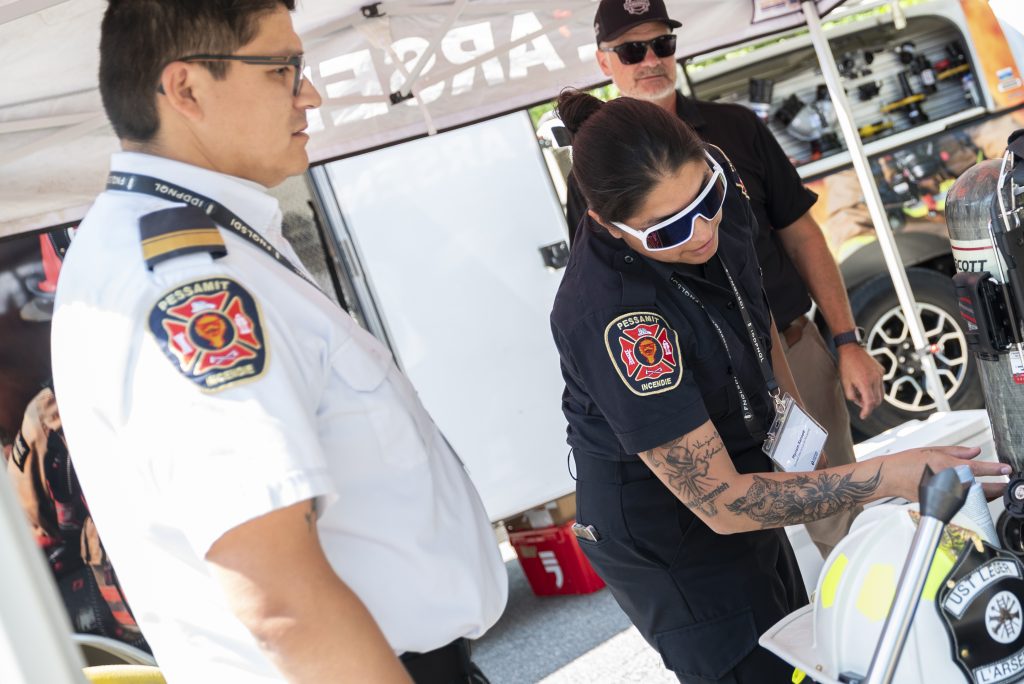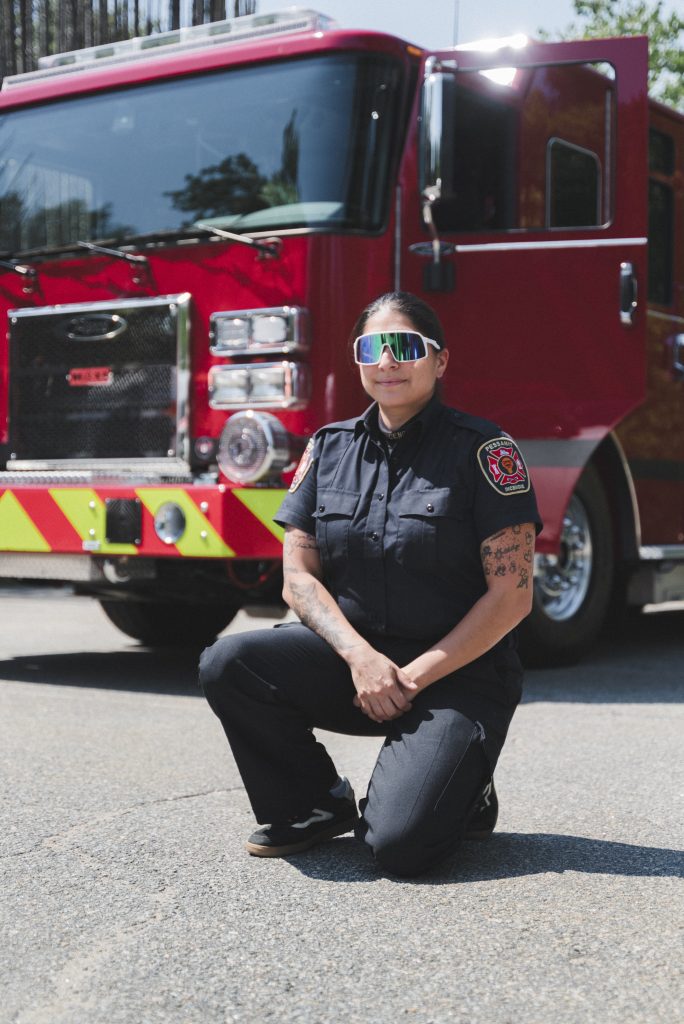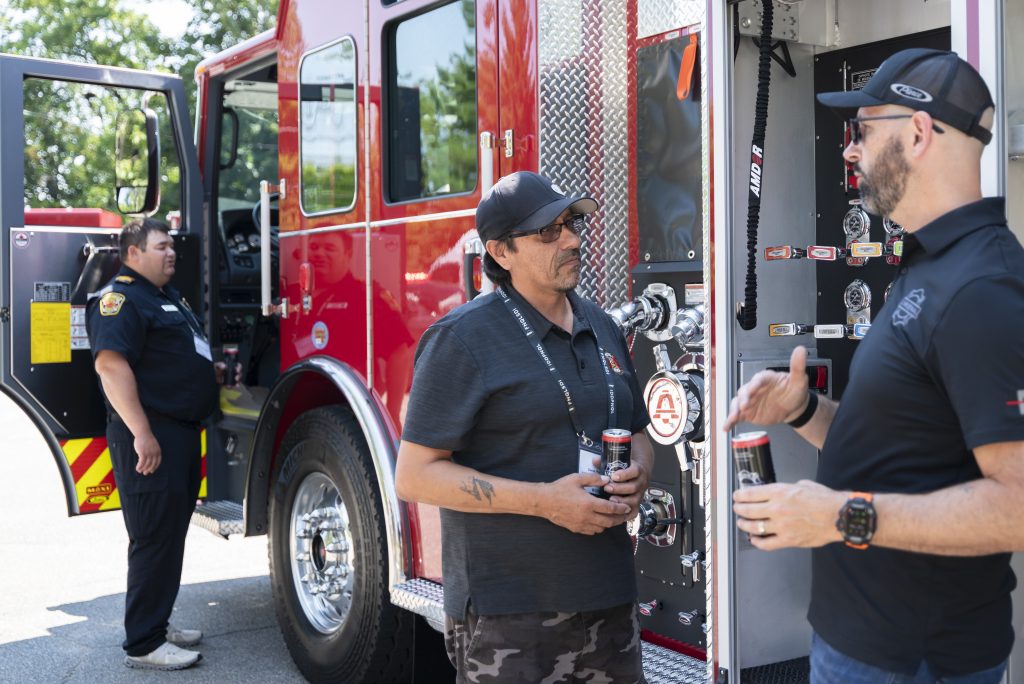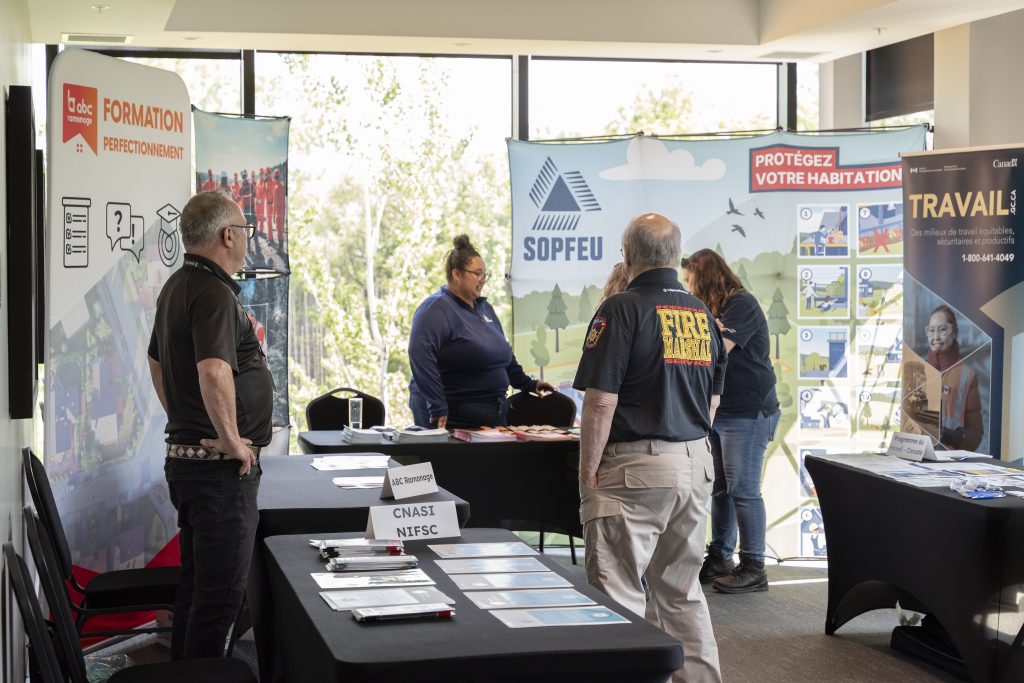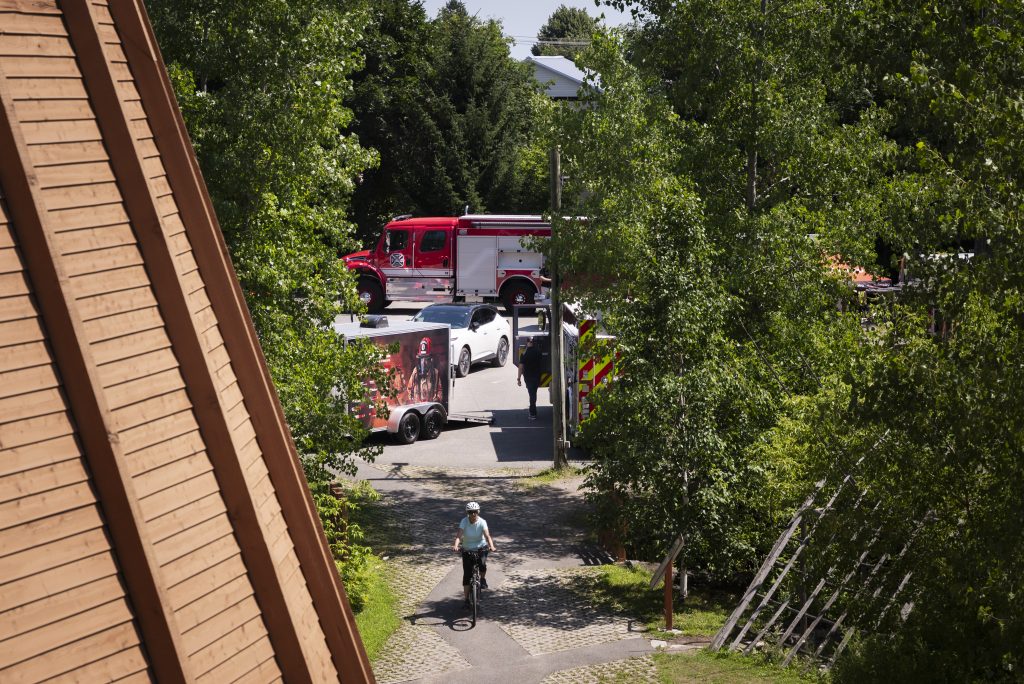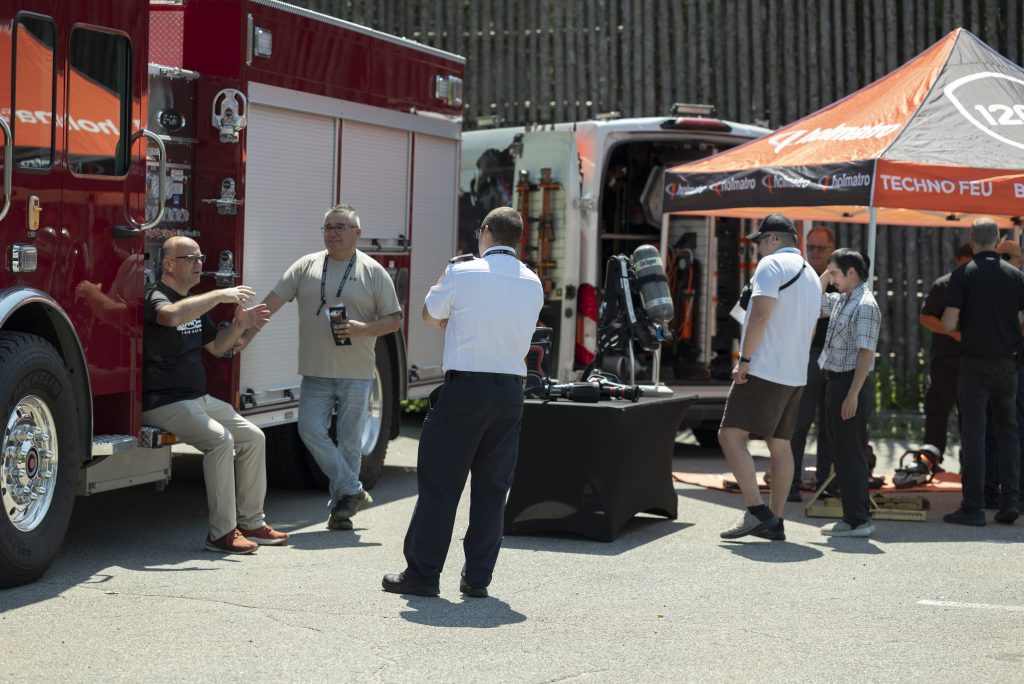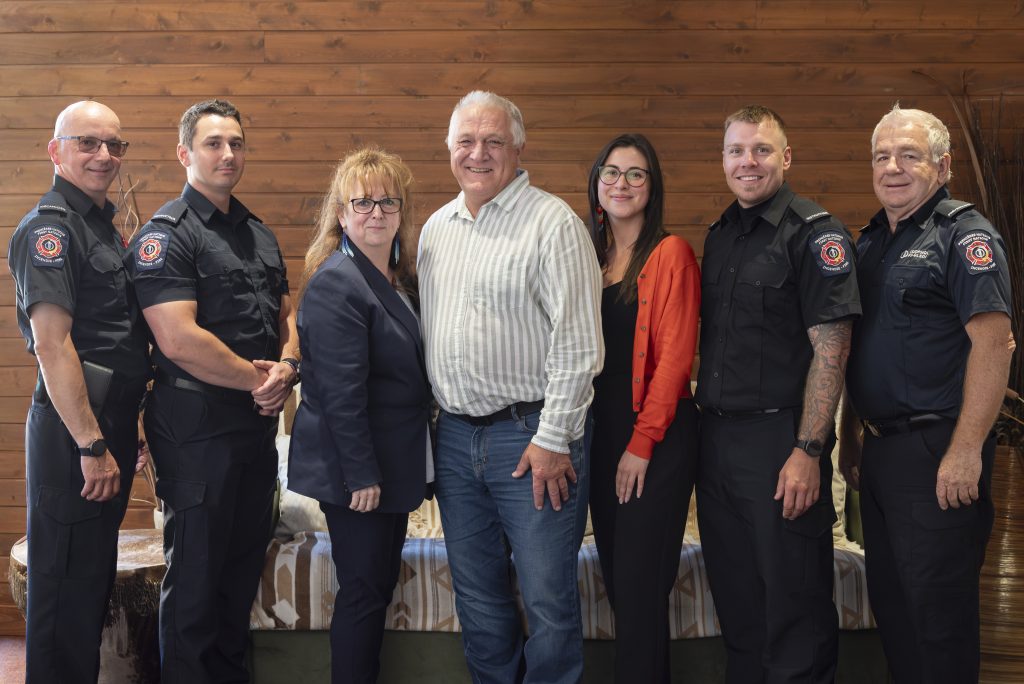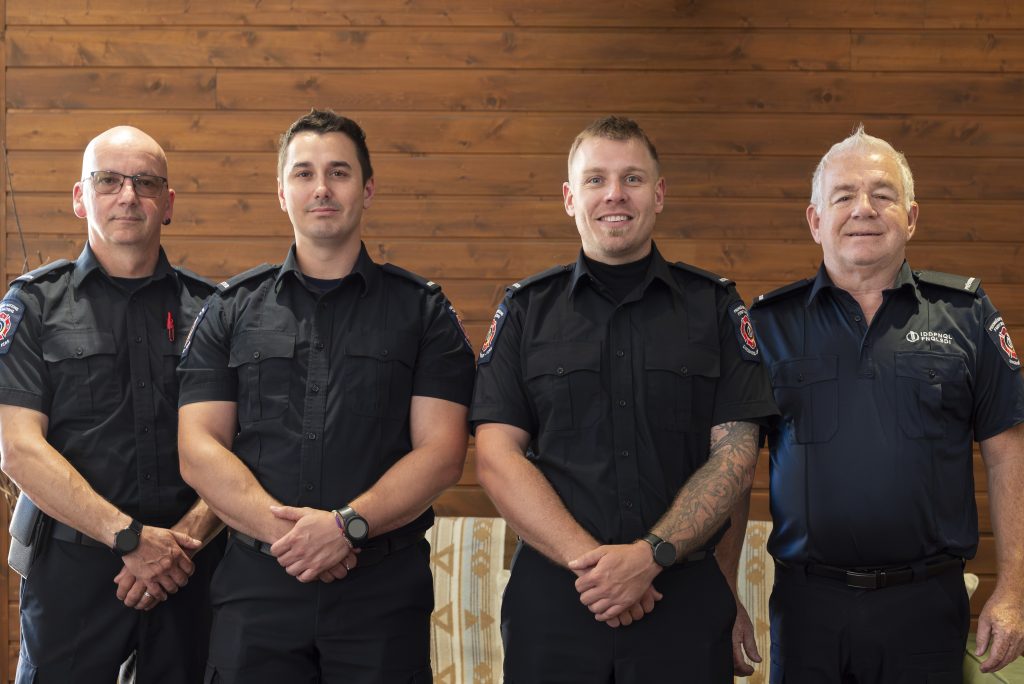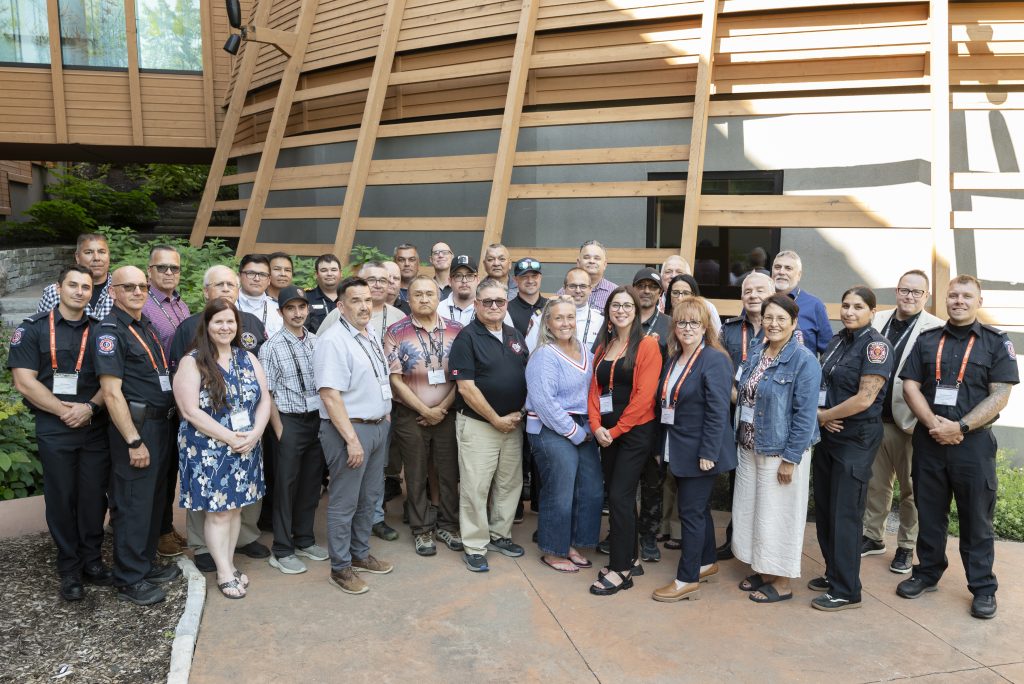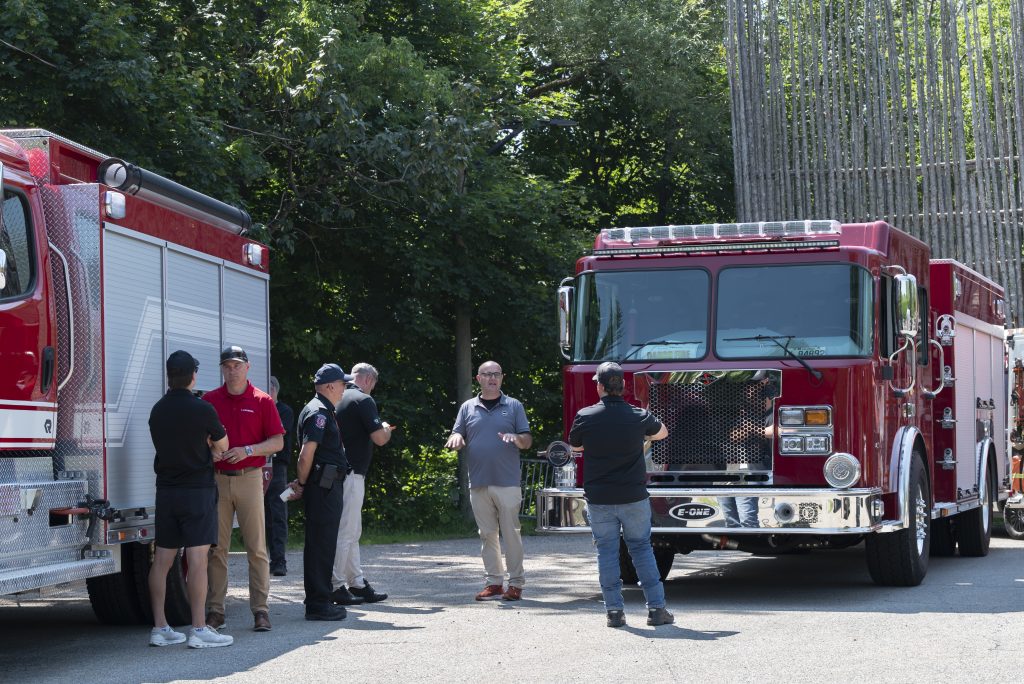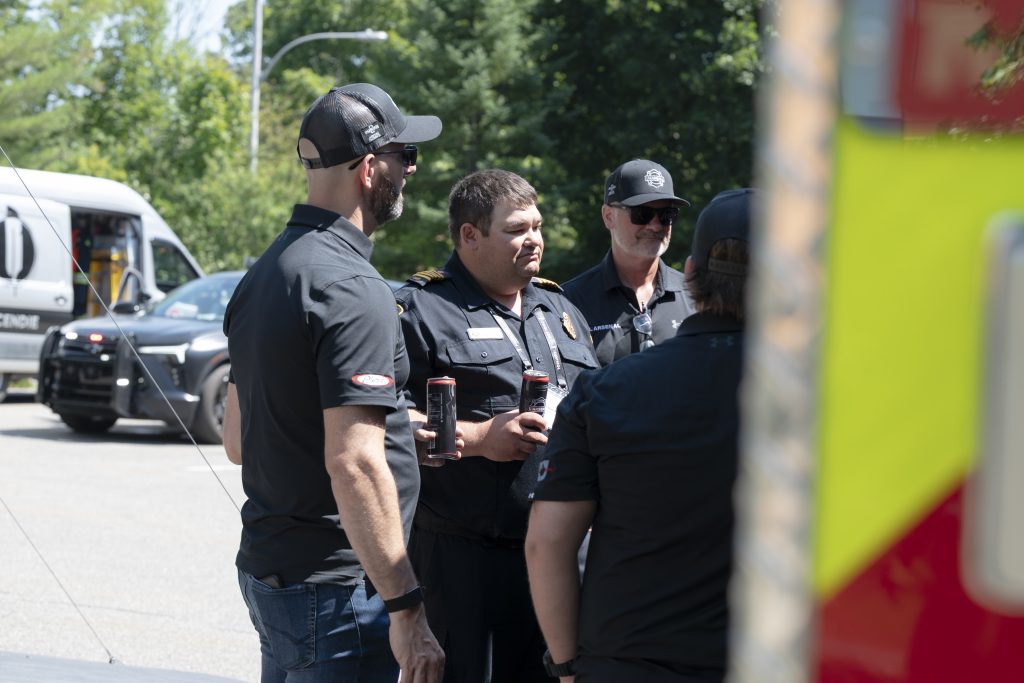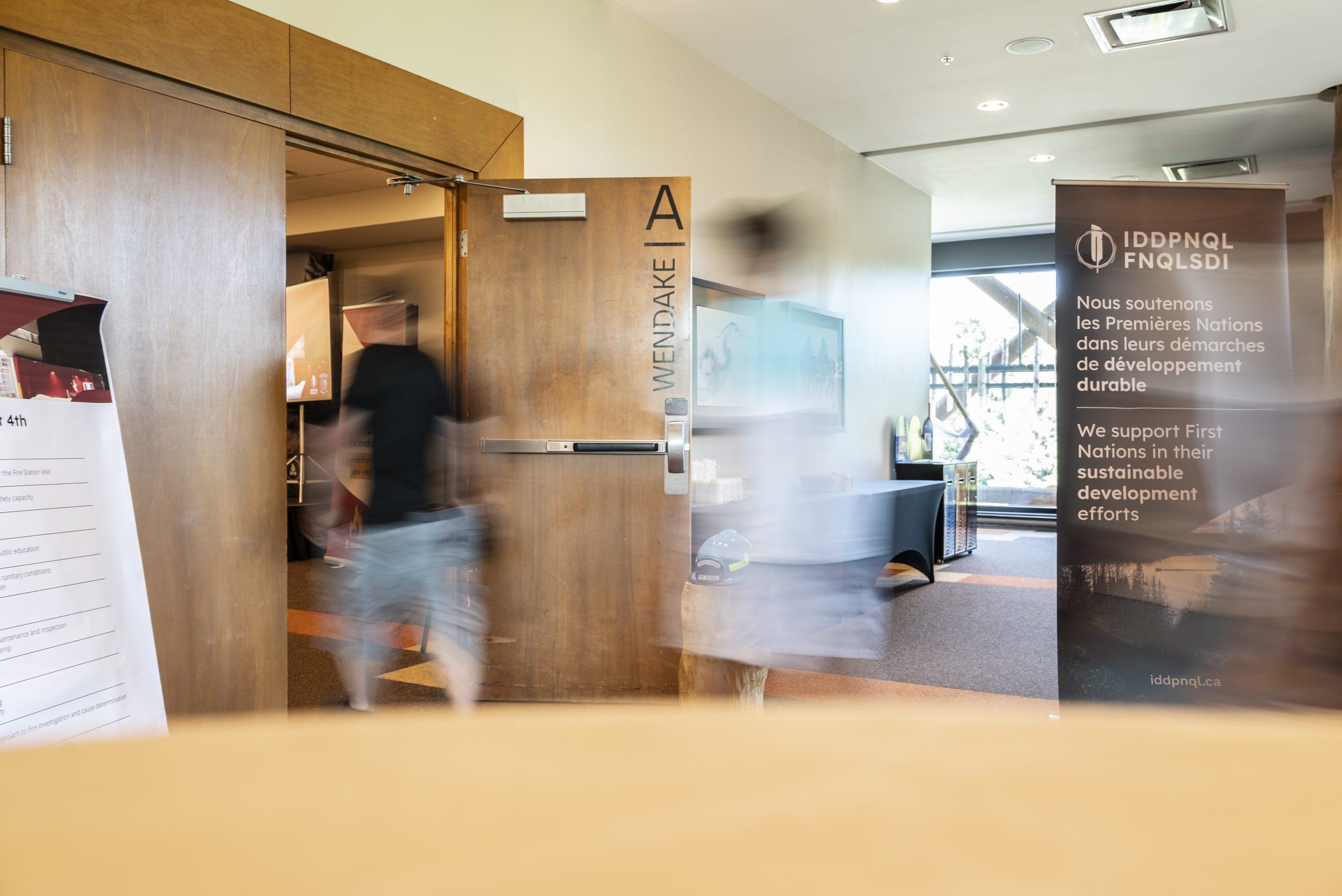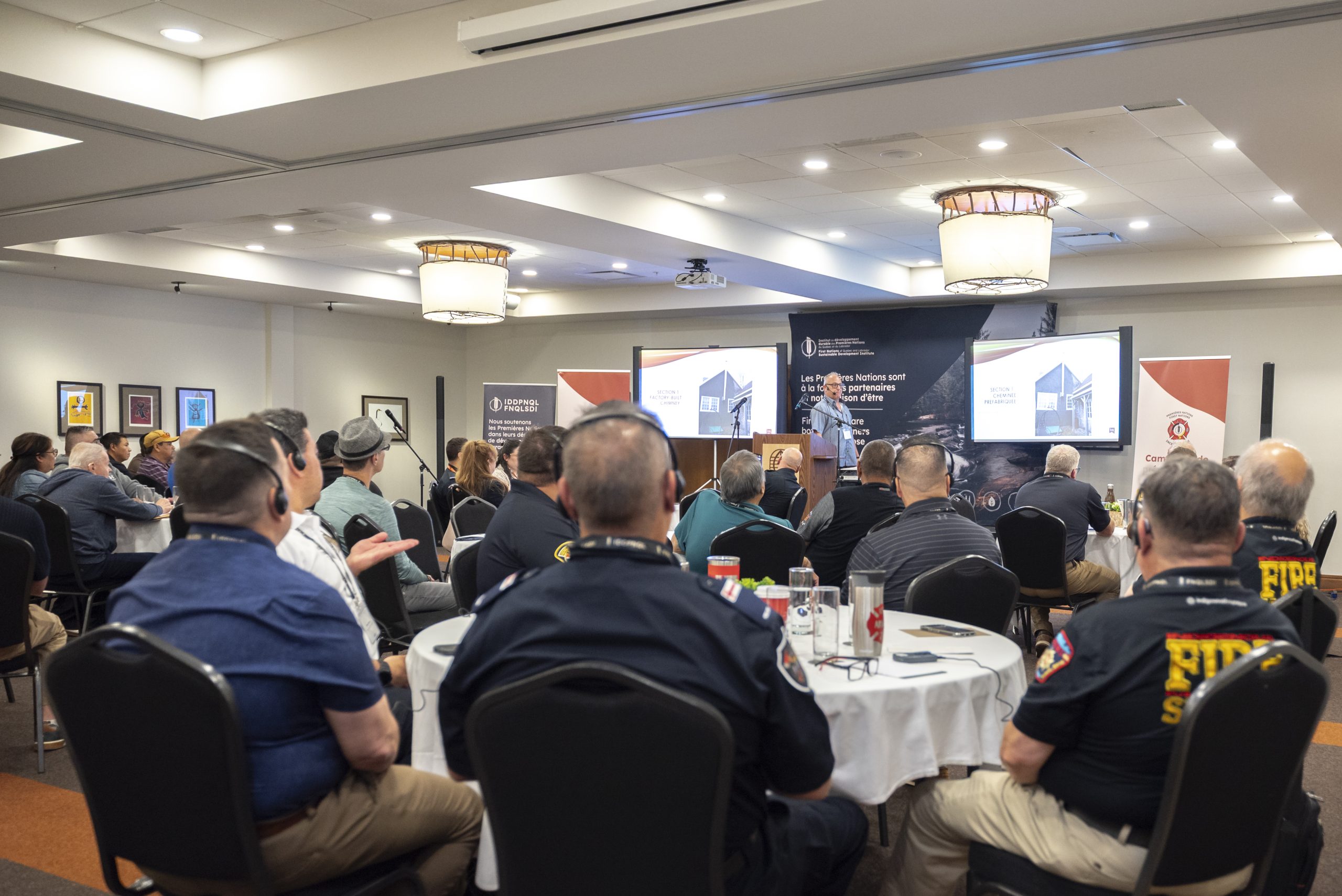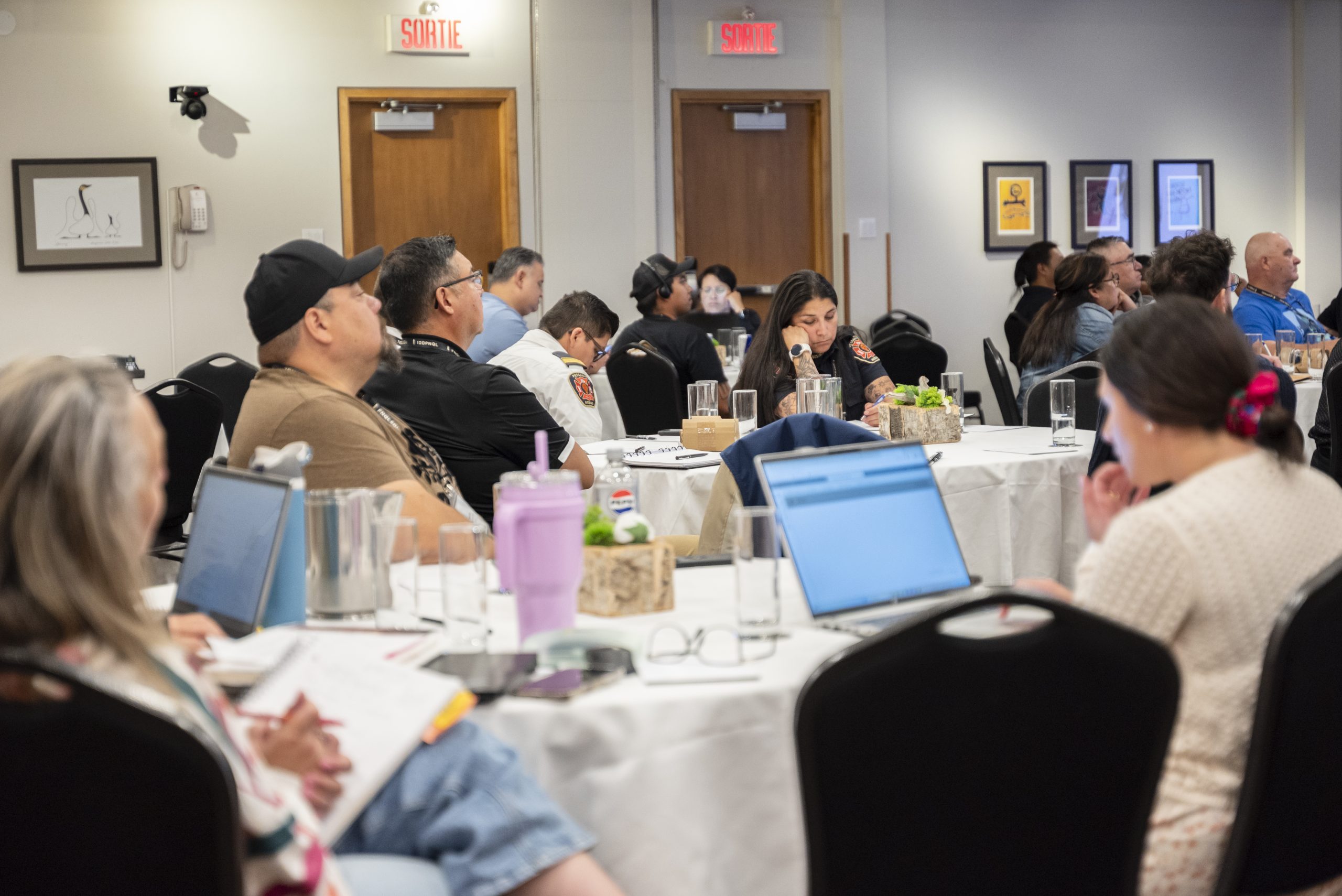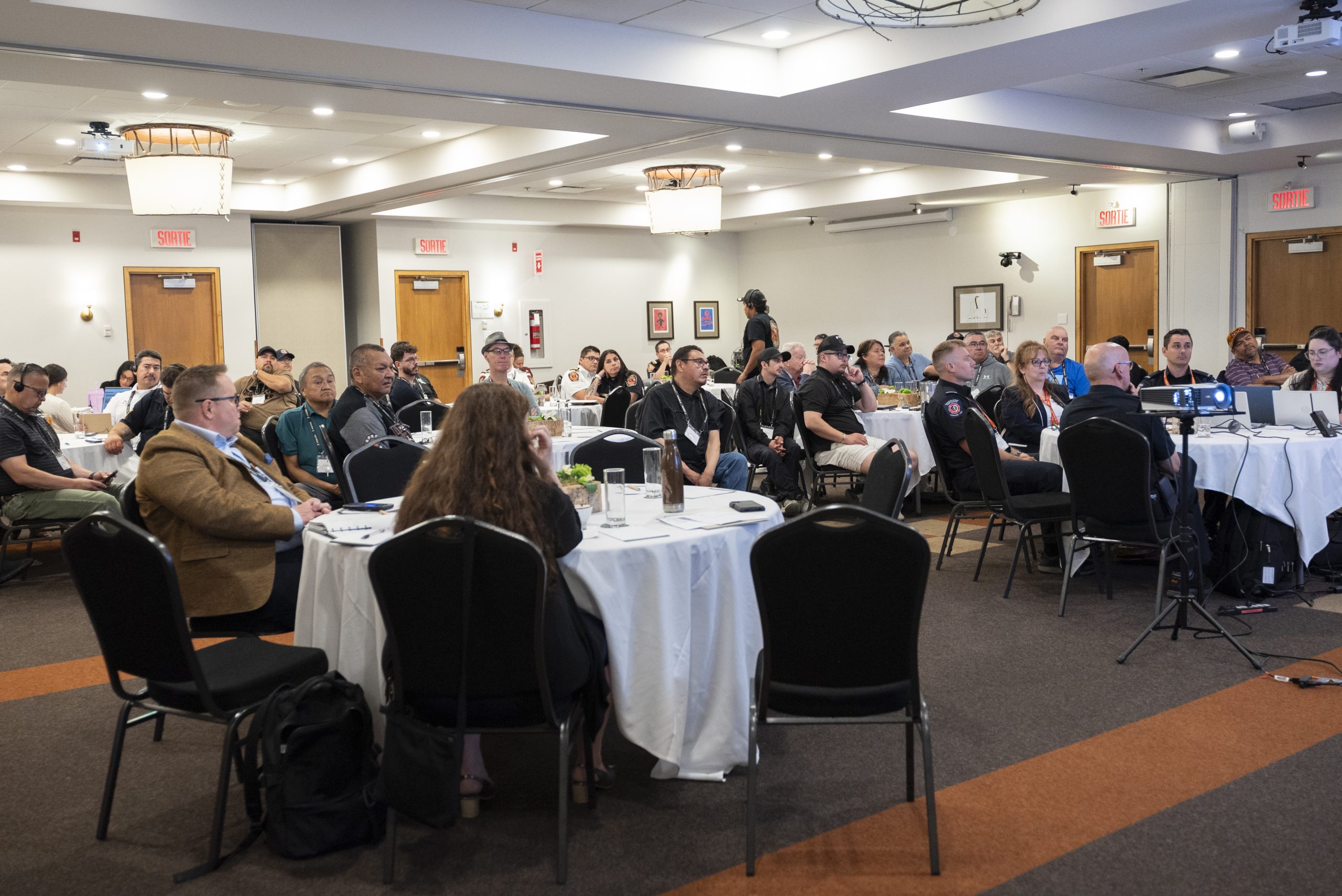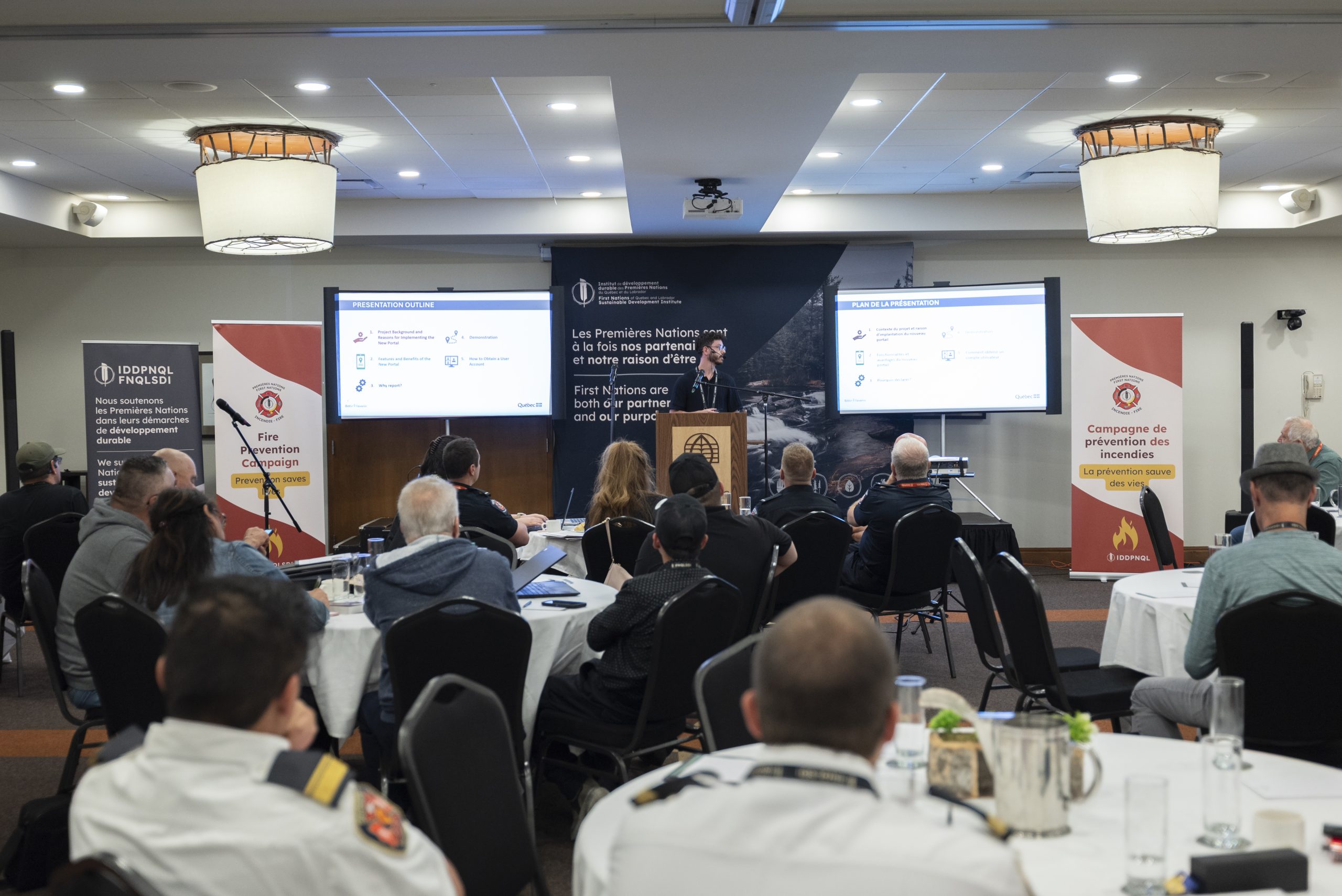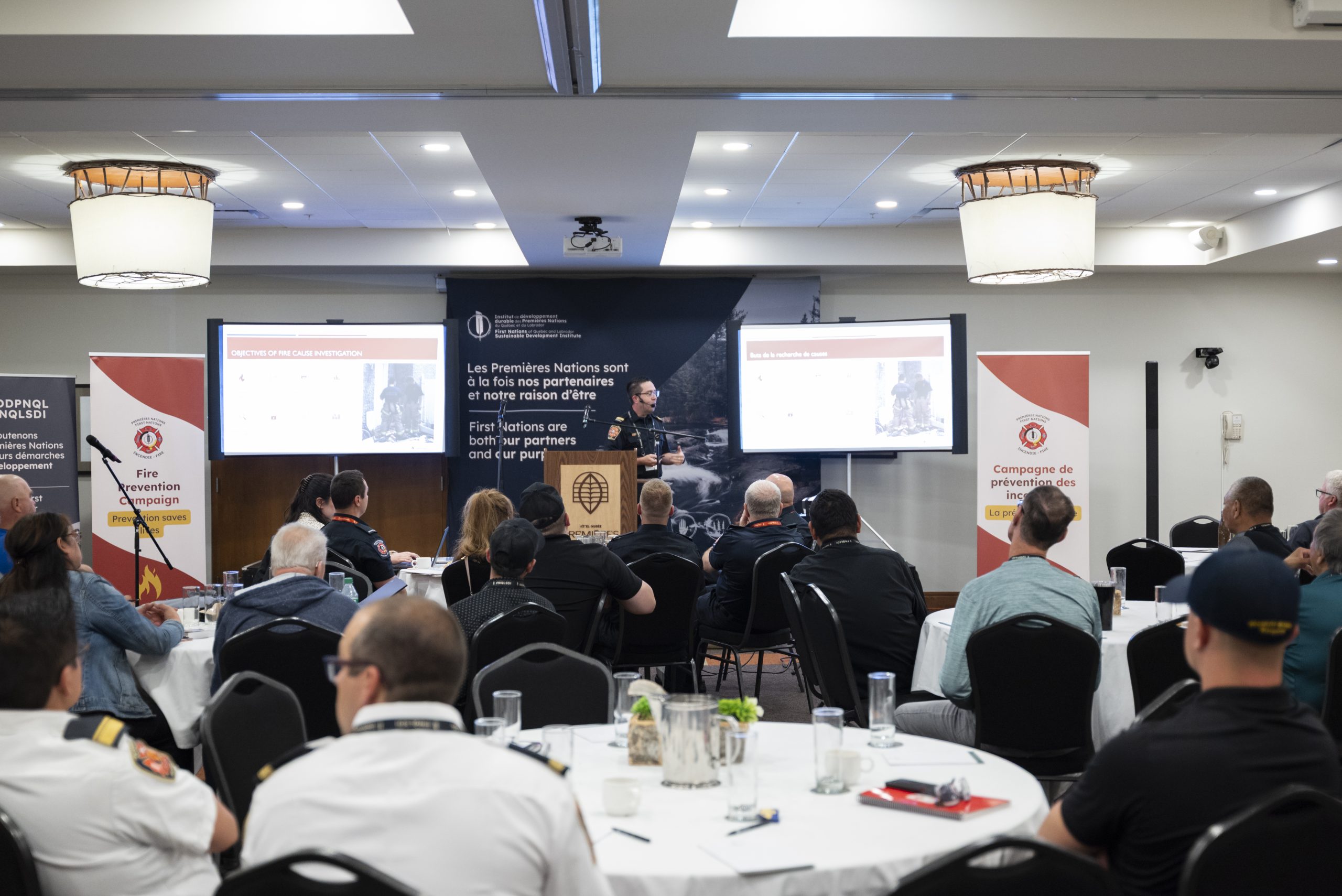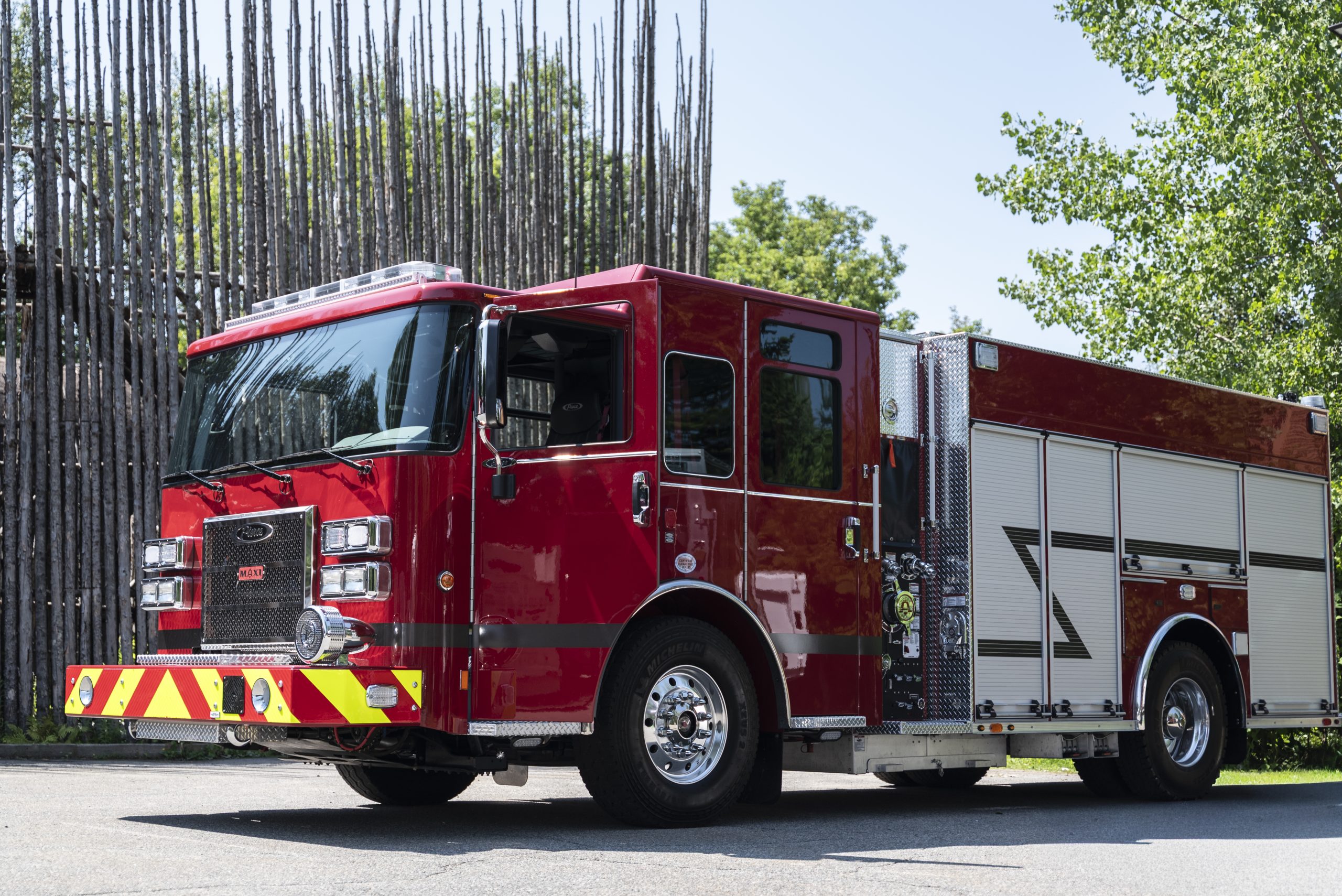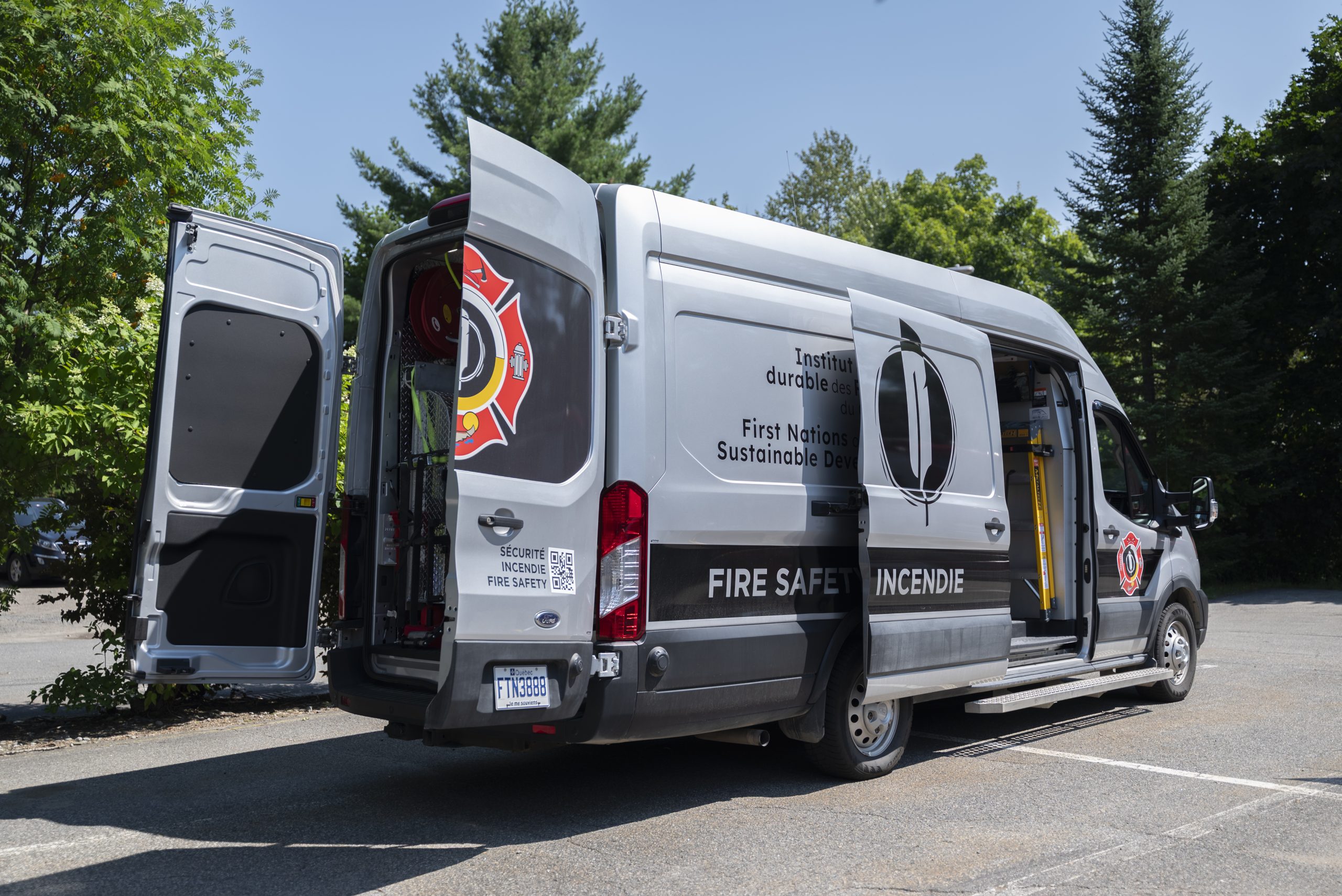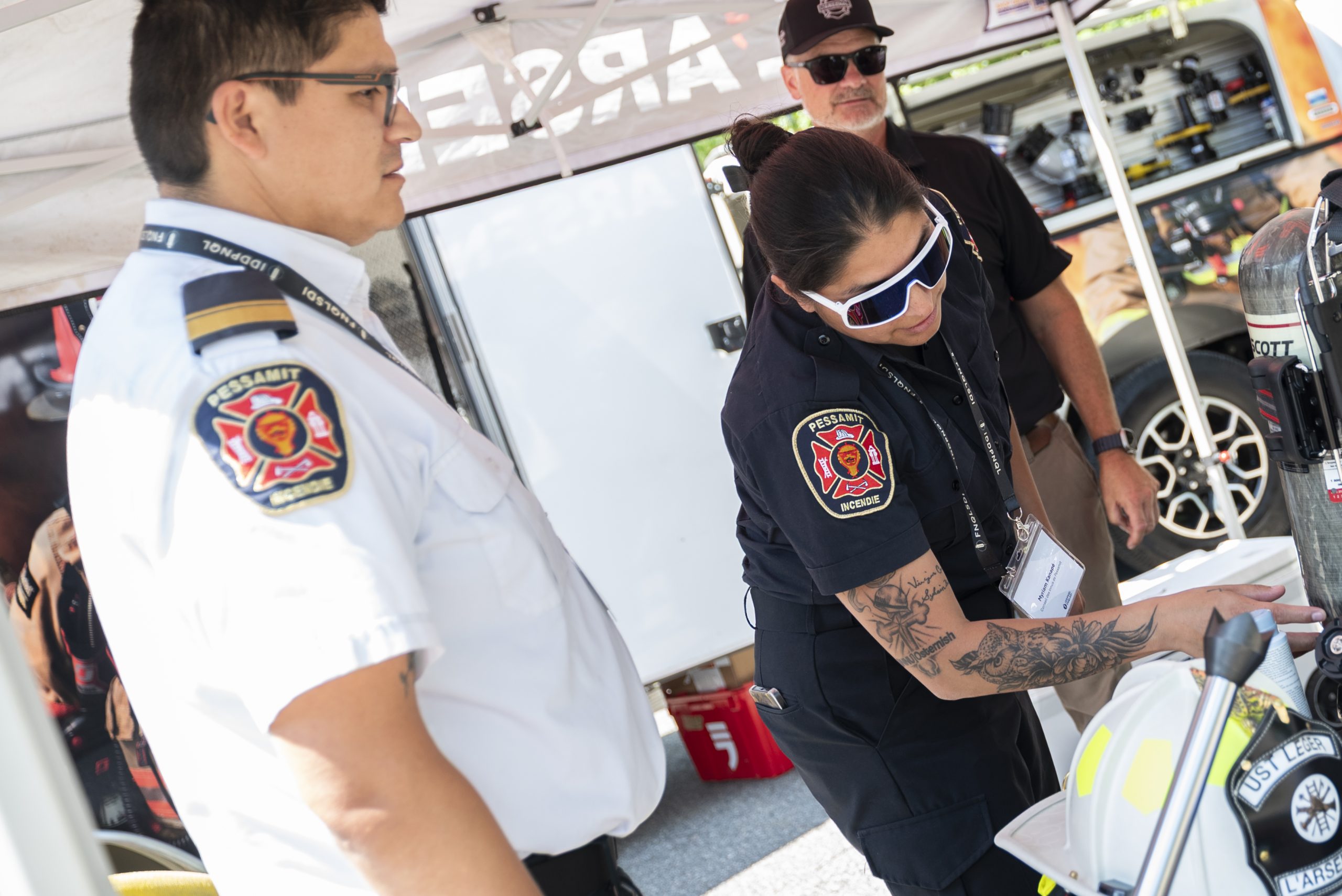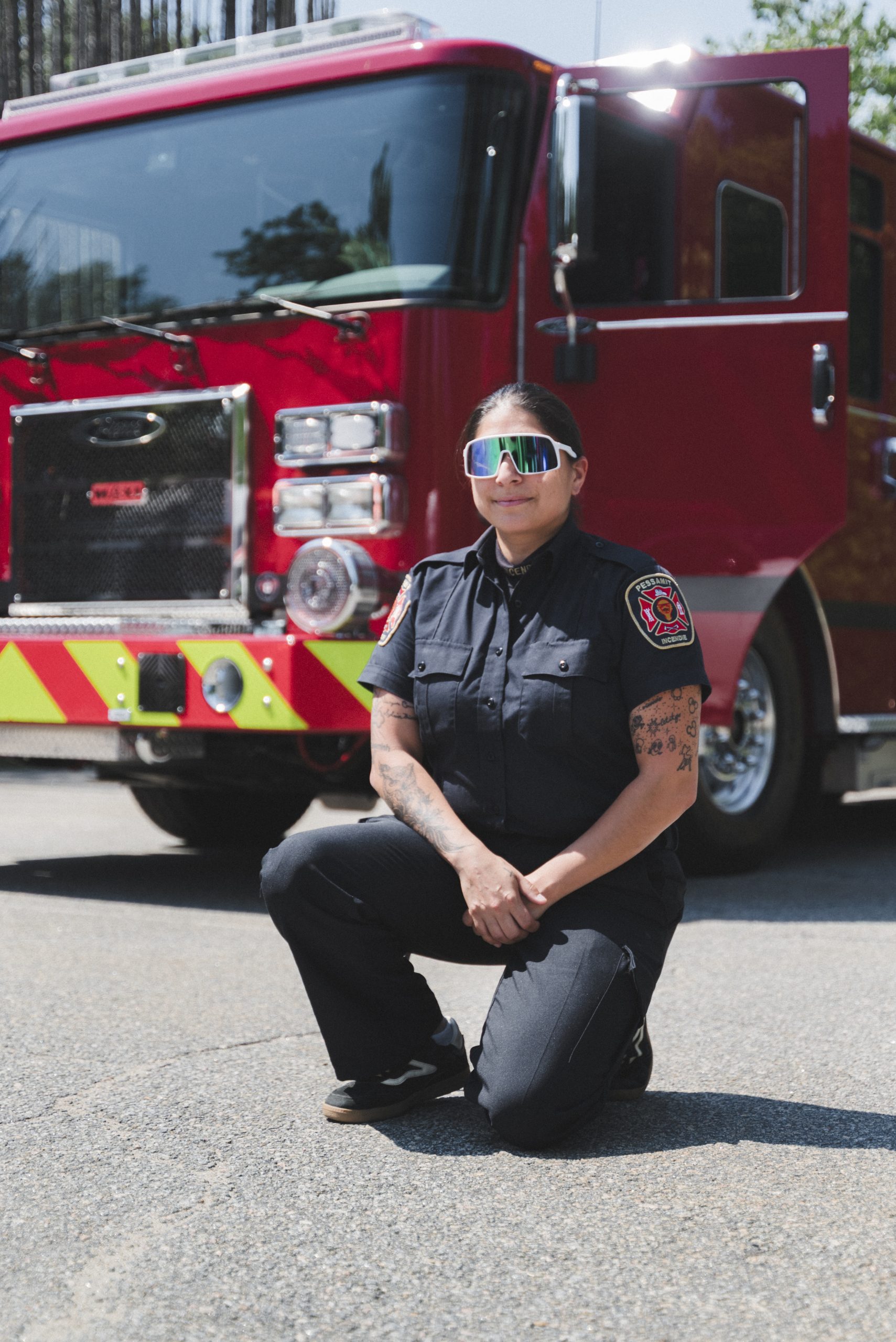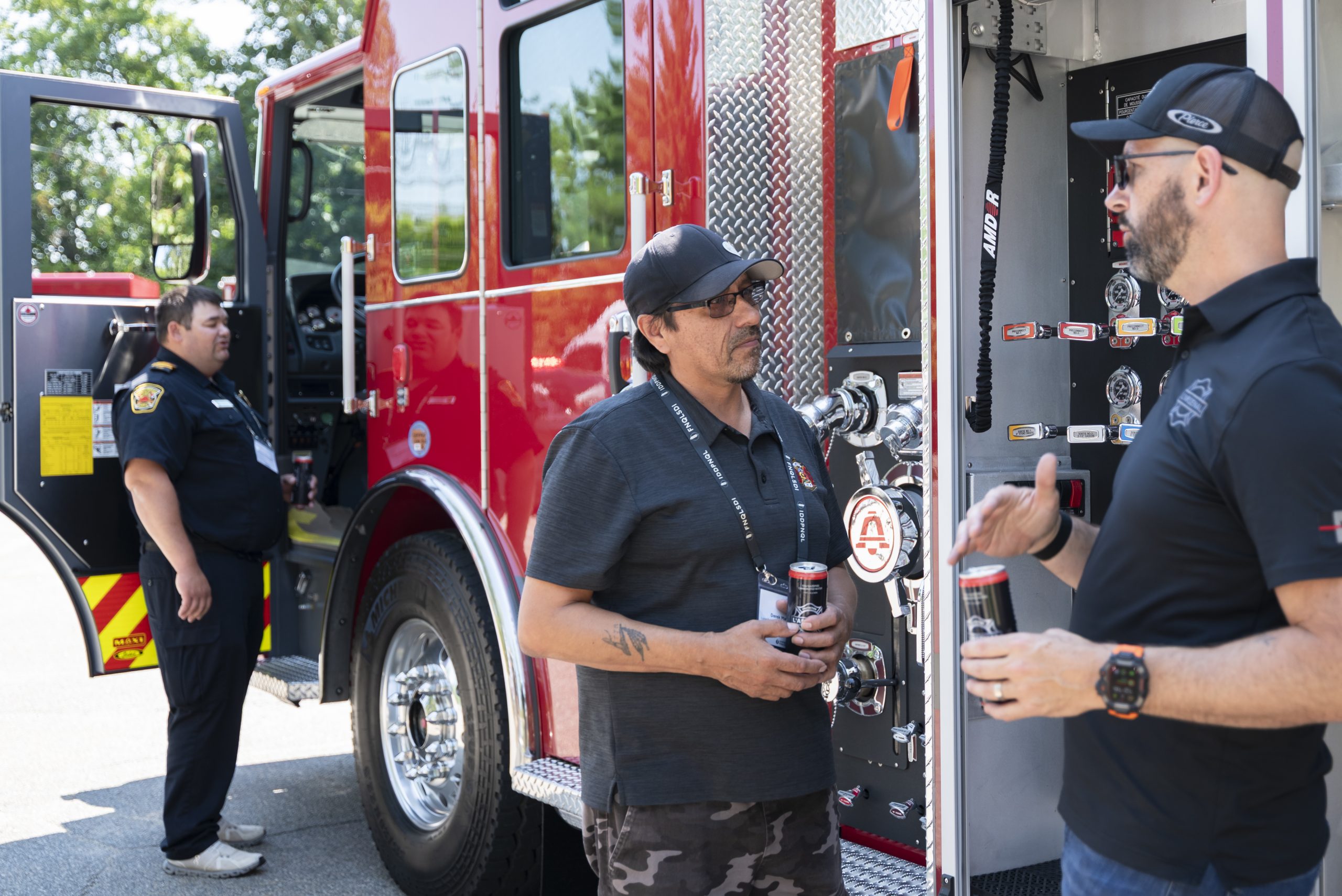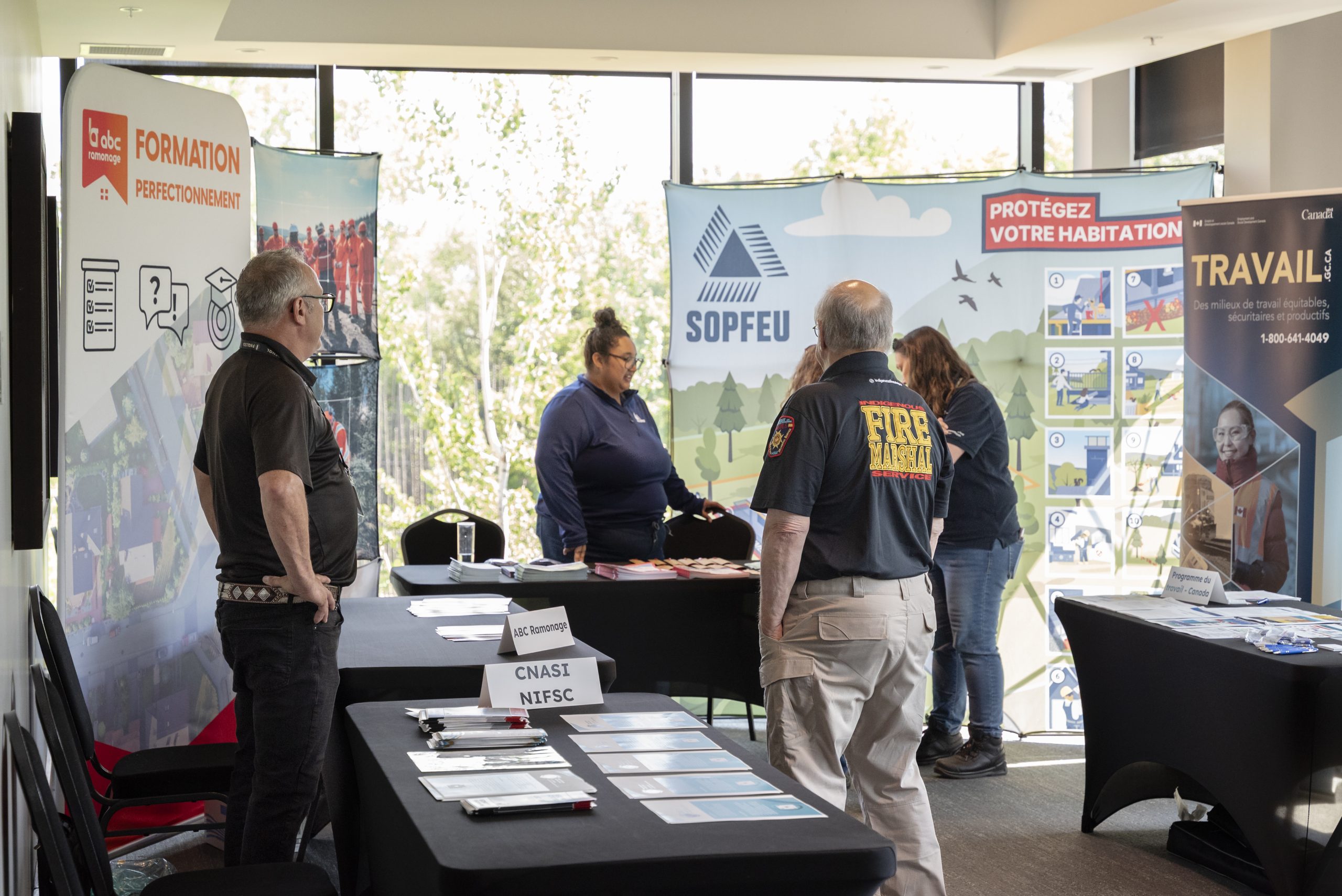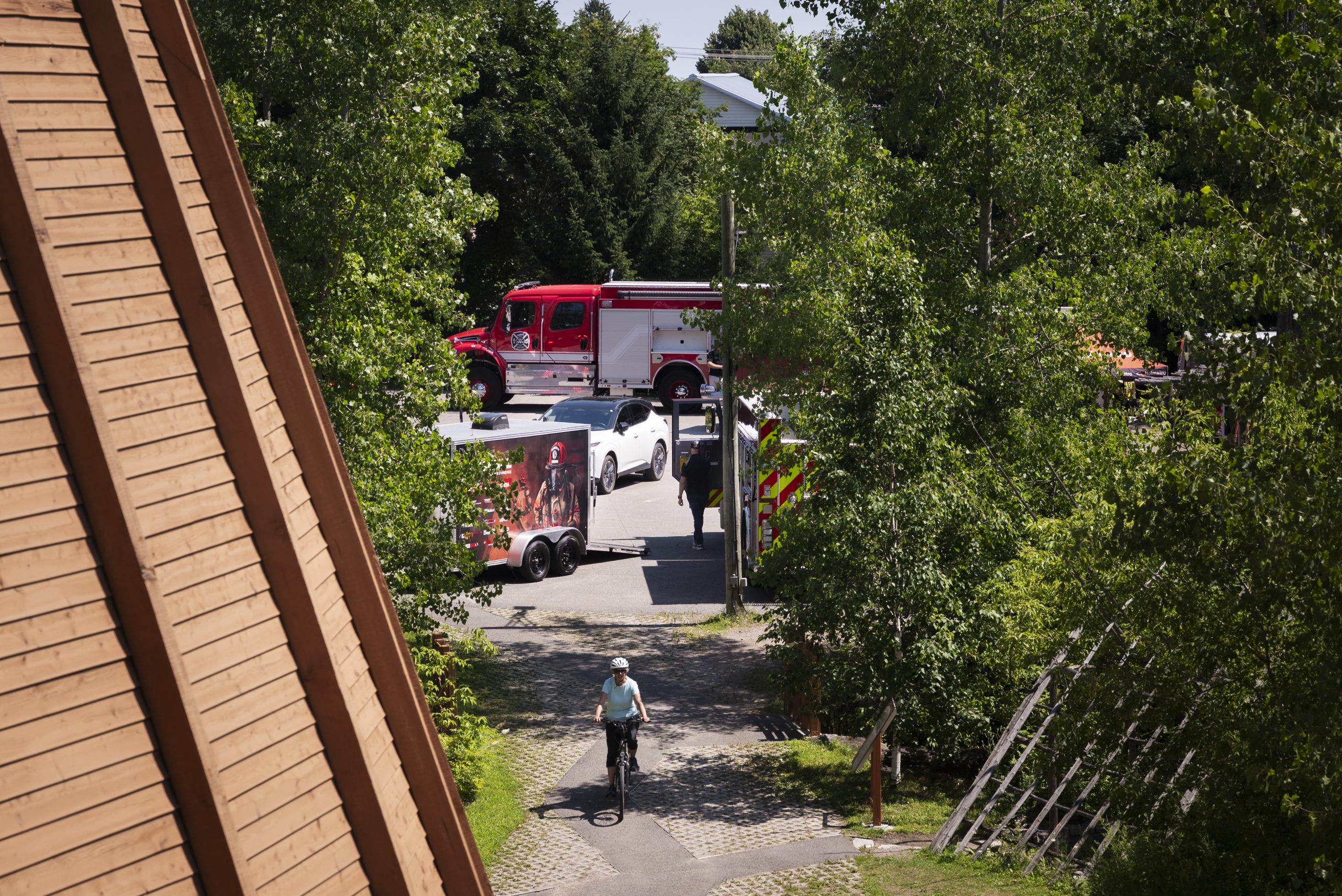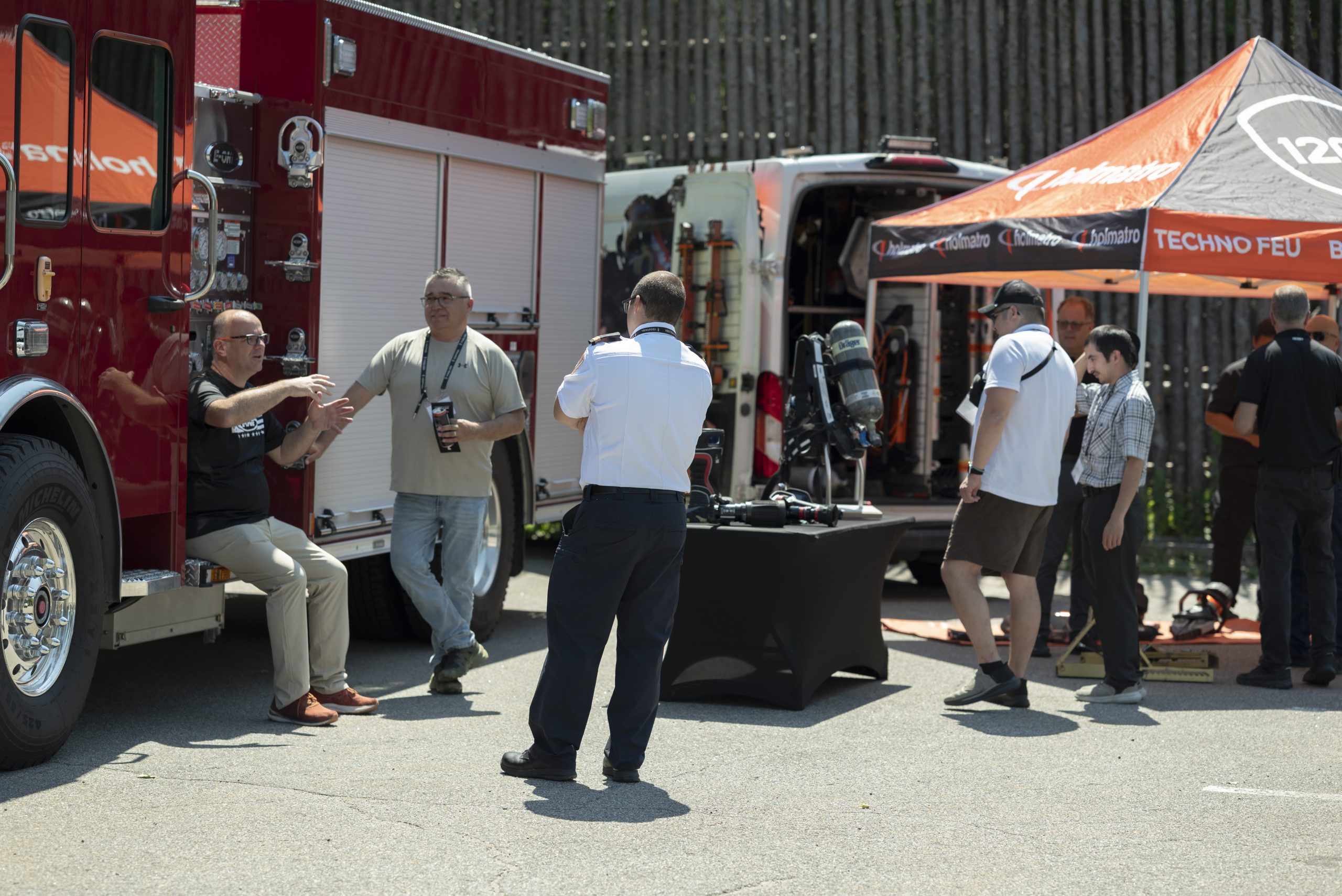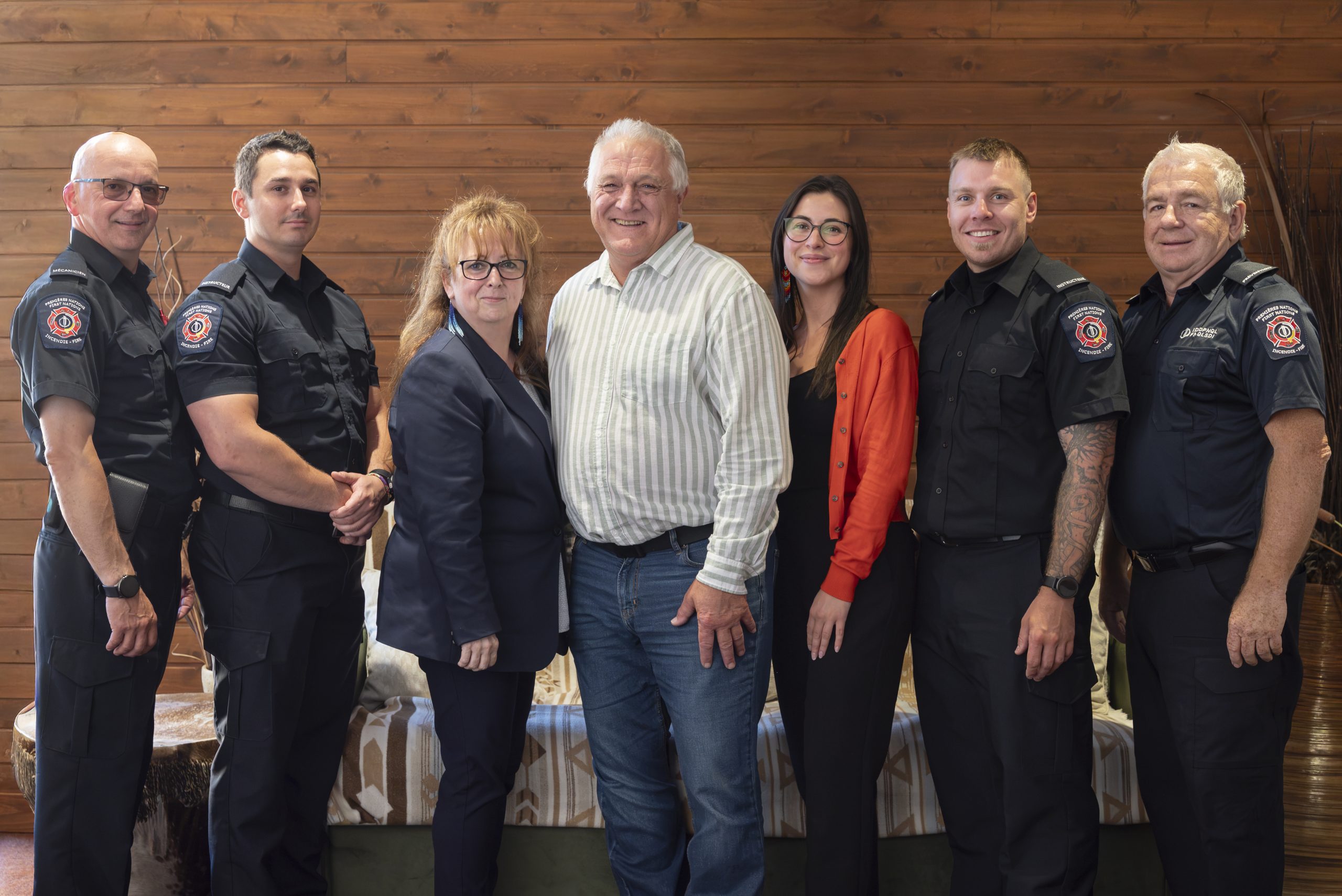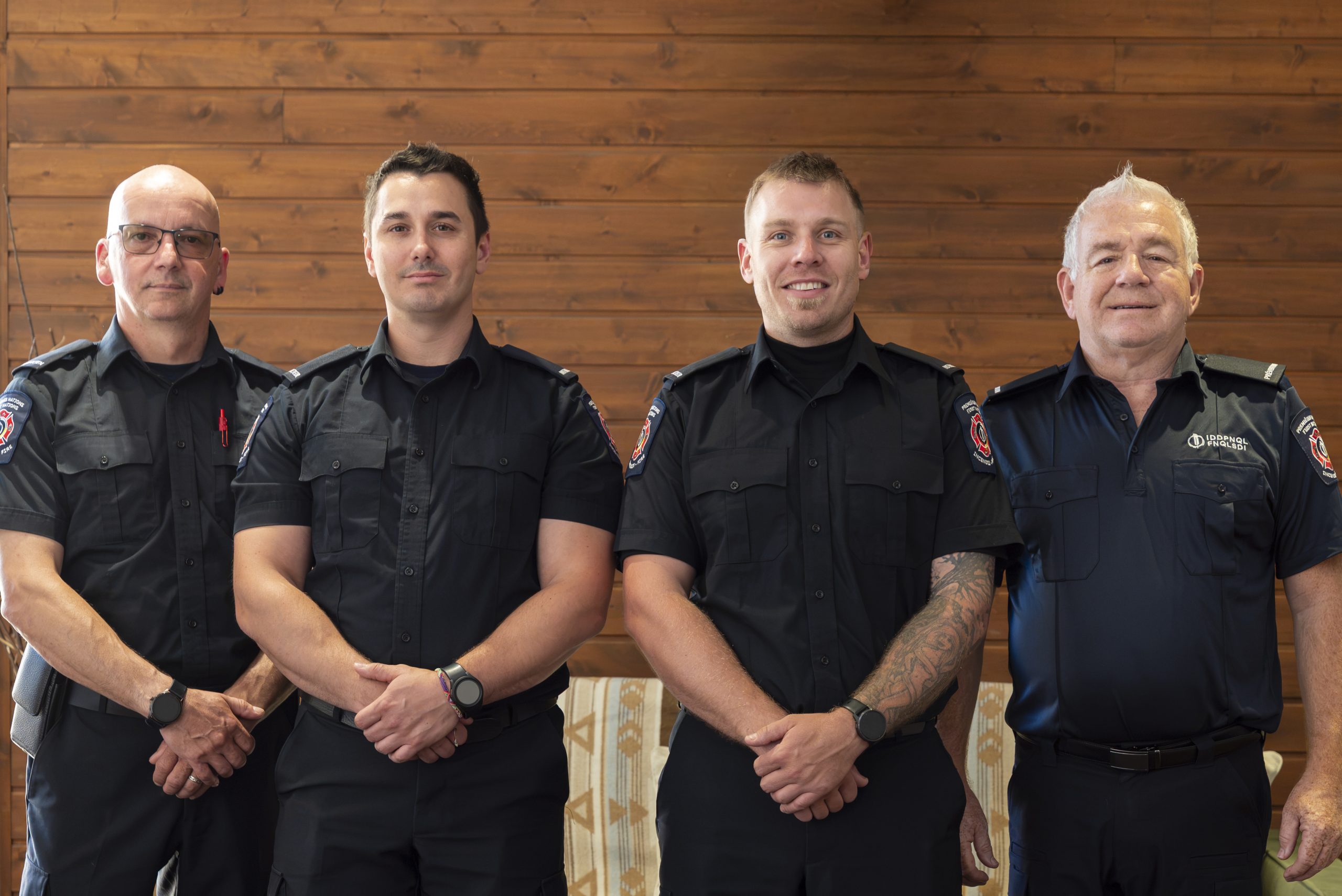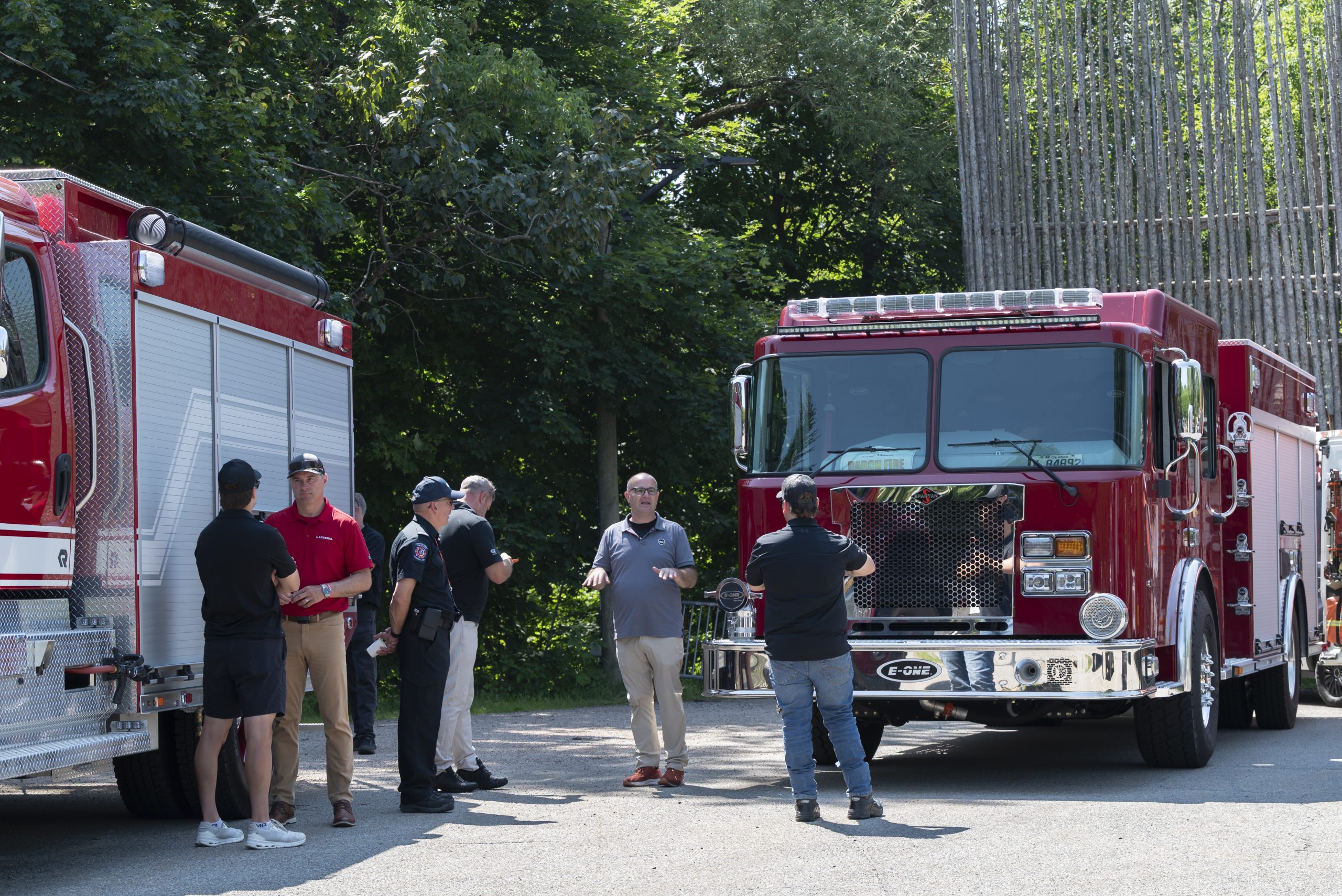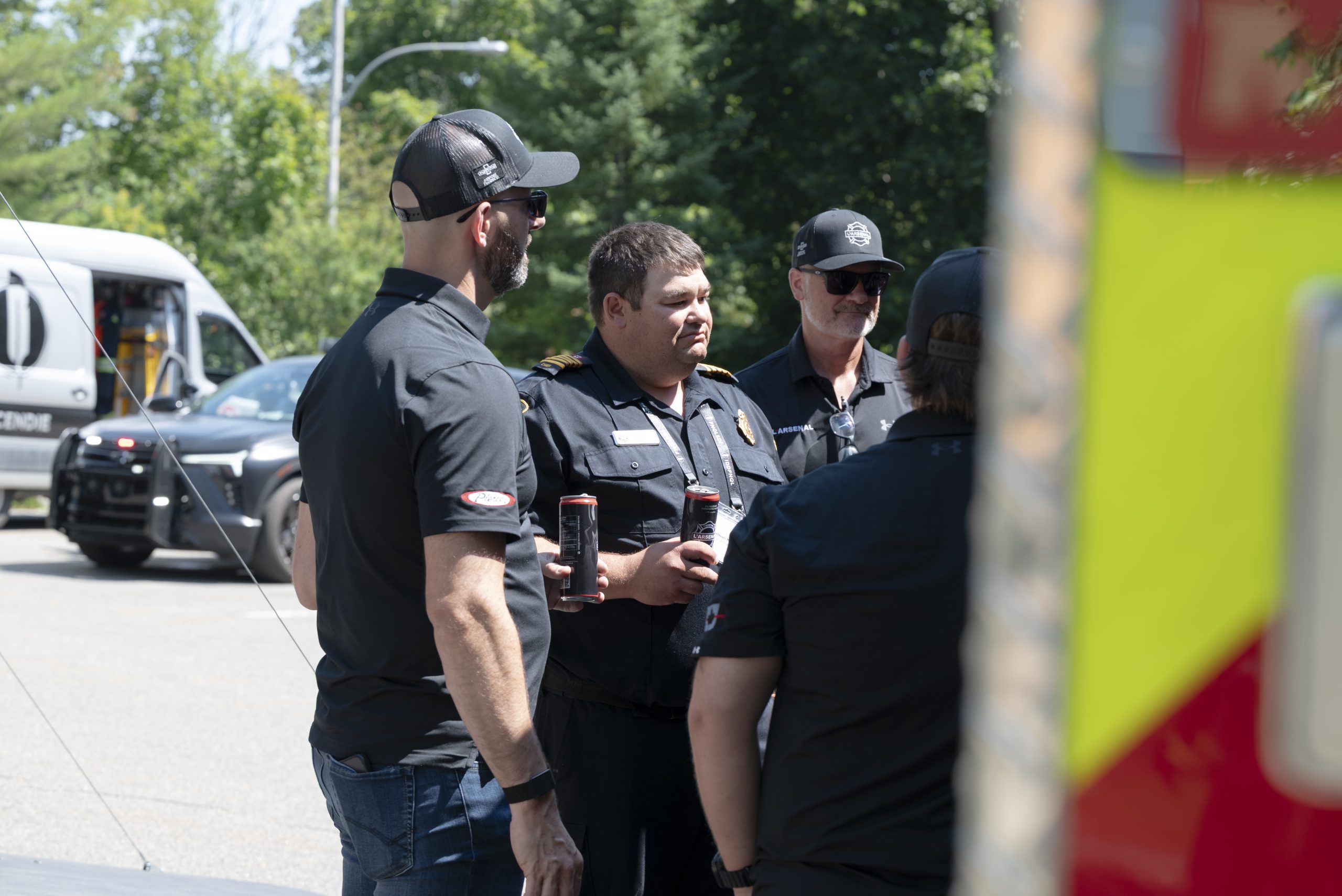
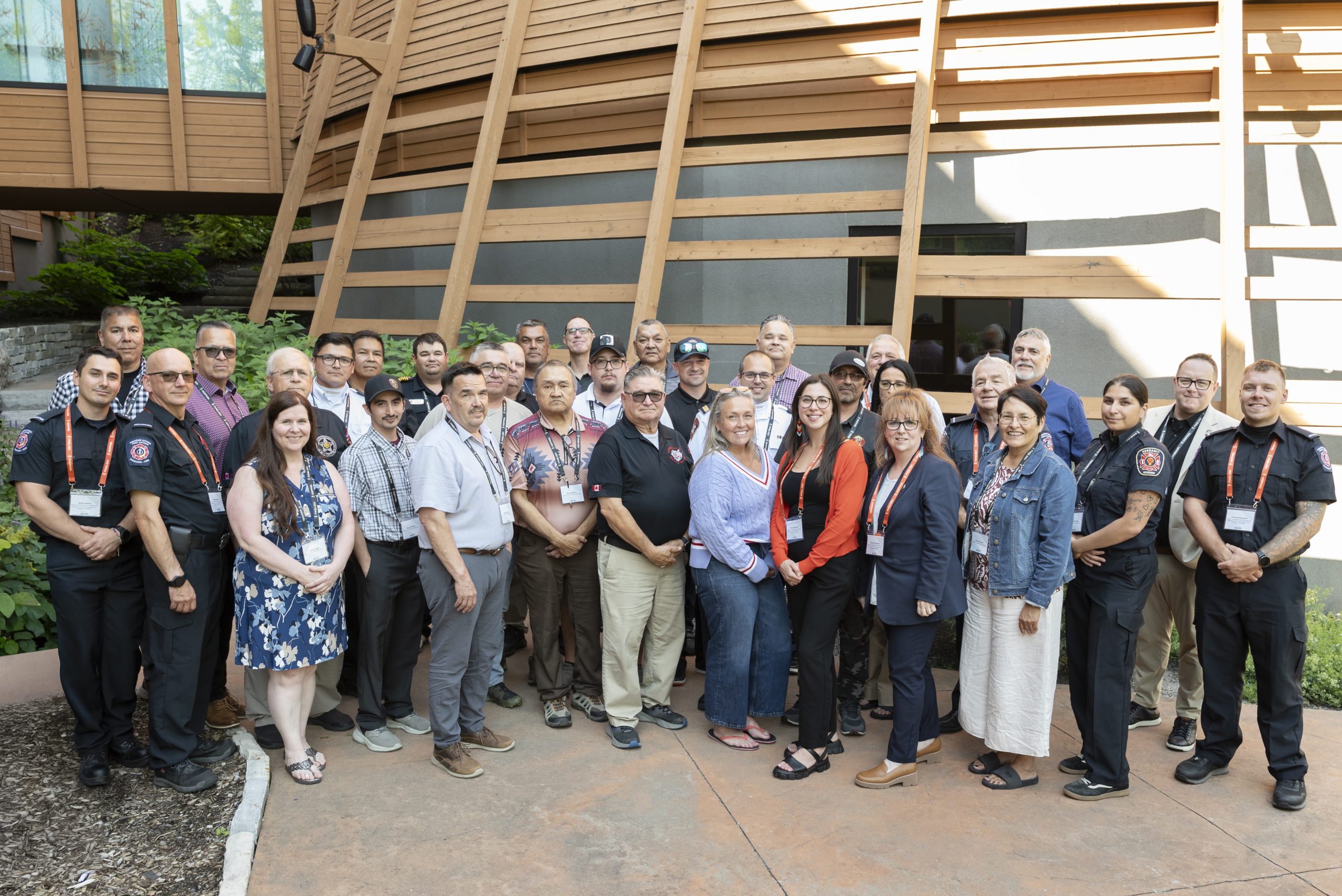
From August 4 to 6, 2026, our First Nations Fire Protection Conference brought together more than 60 people, including numerous fire service representatives from communities and partners engaged in fire safety issues. Over these three days, participants explored a wide range of topics related to fire protection and had a valuable opportunity to exchange ideas and support one another.
Understanding Risks to Better Prevent Them
The first day focused on risk inventory and fire safety capacity analysis, as well as residential prevention, public education and housing hygiene. Wood heating, fire statistics, and the investigation of causes and circumstances rounded out the program.
Discussions highlighted the isolation faced by some communities due to limited resources, the need for expanded funding to respond more quickly to emergencies, the importance of aligning fire prevention with other community sectors, and the need to ensure the long-term sustainability of fire protection support programs.
Equipping and Supporting Fire Services
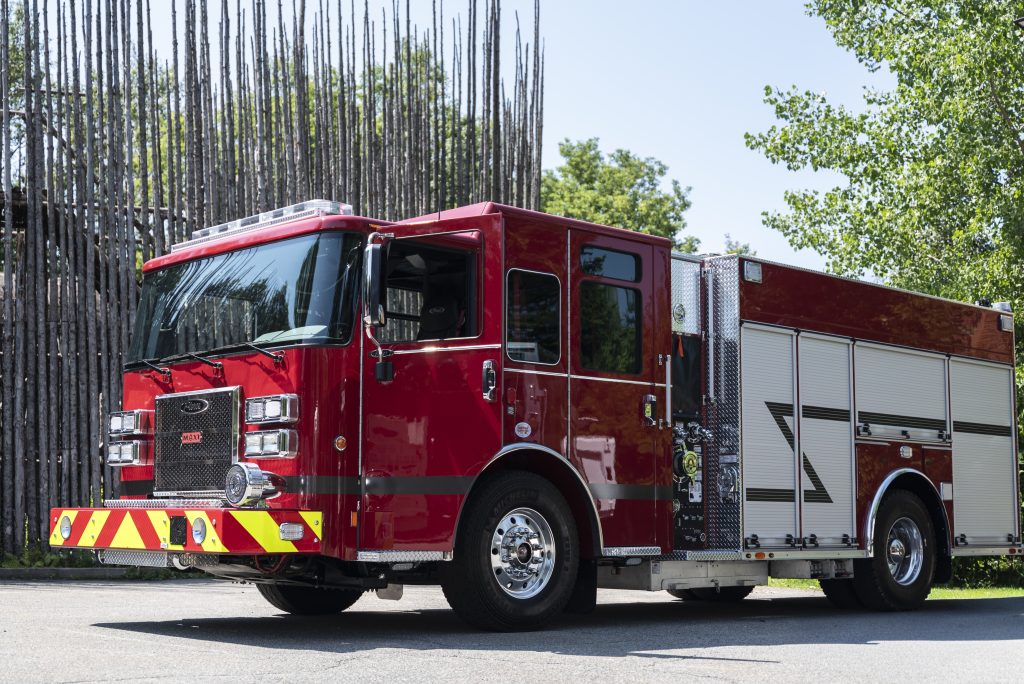
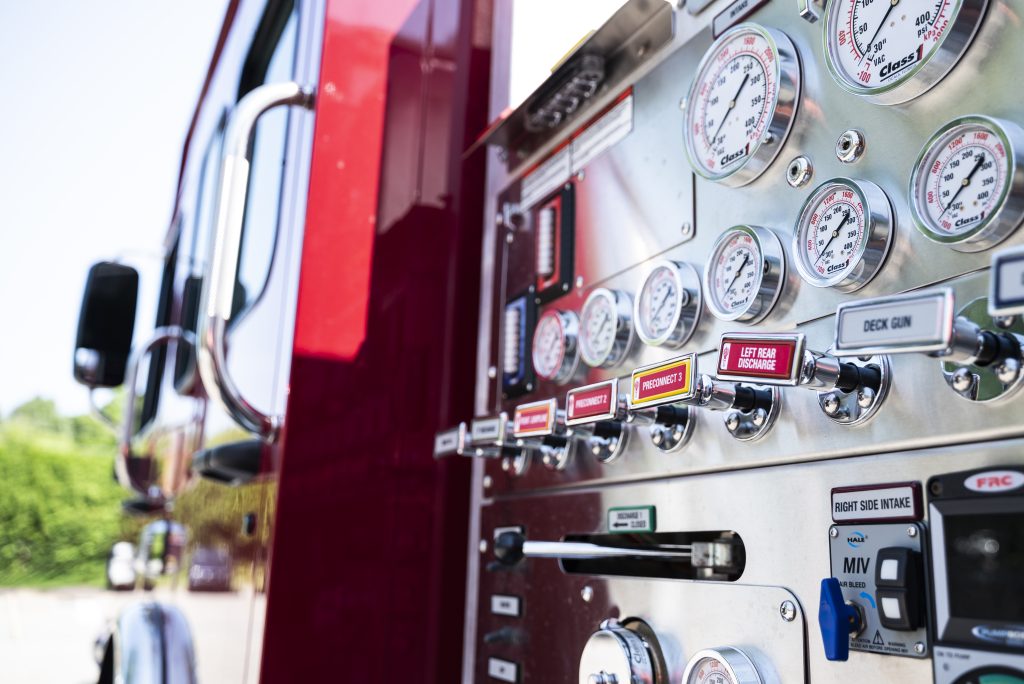
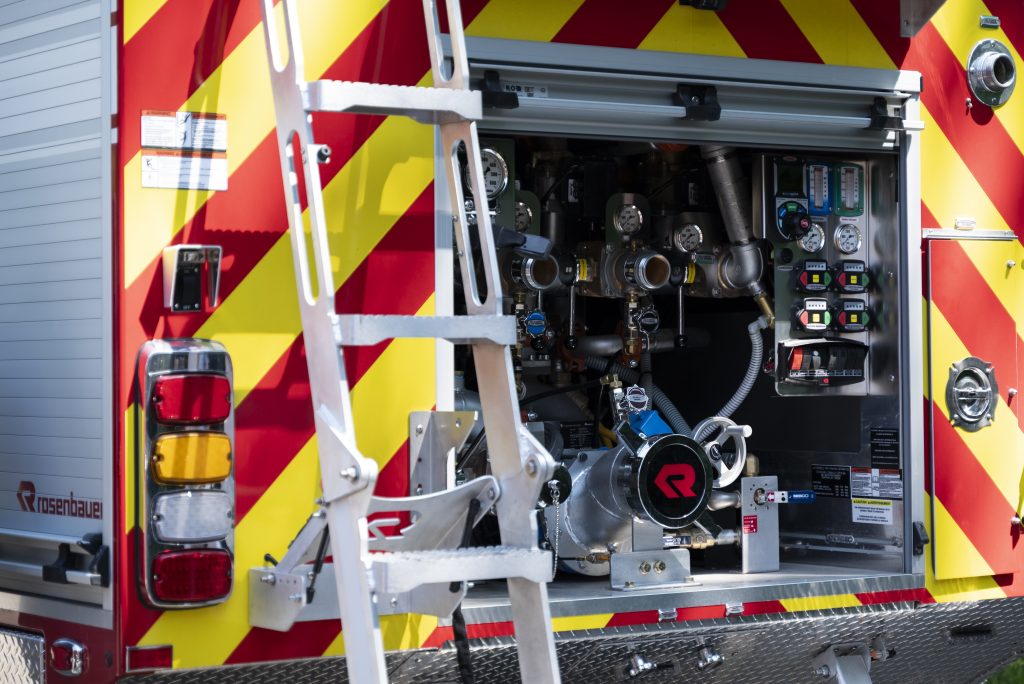
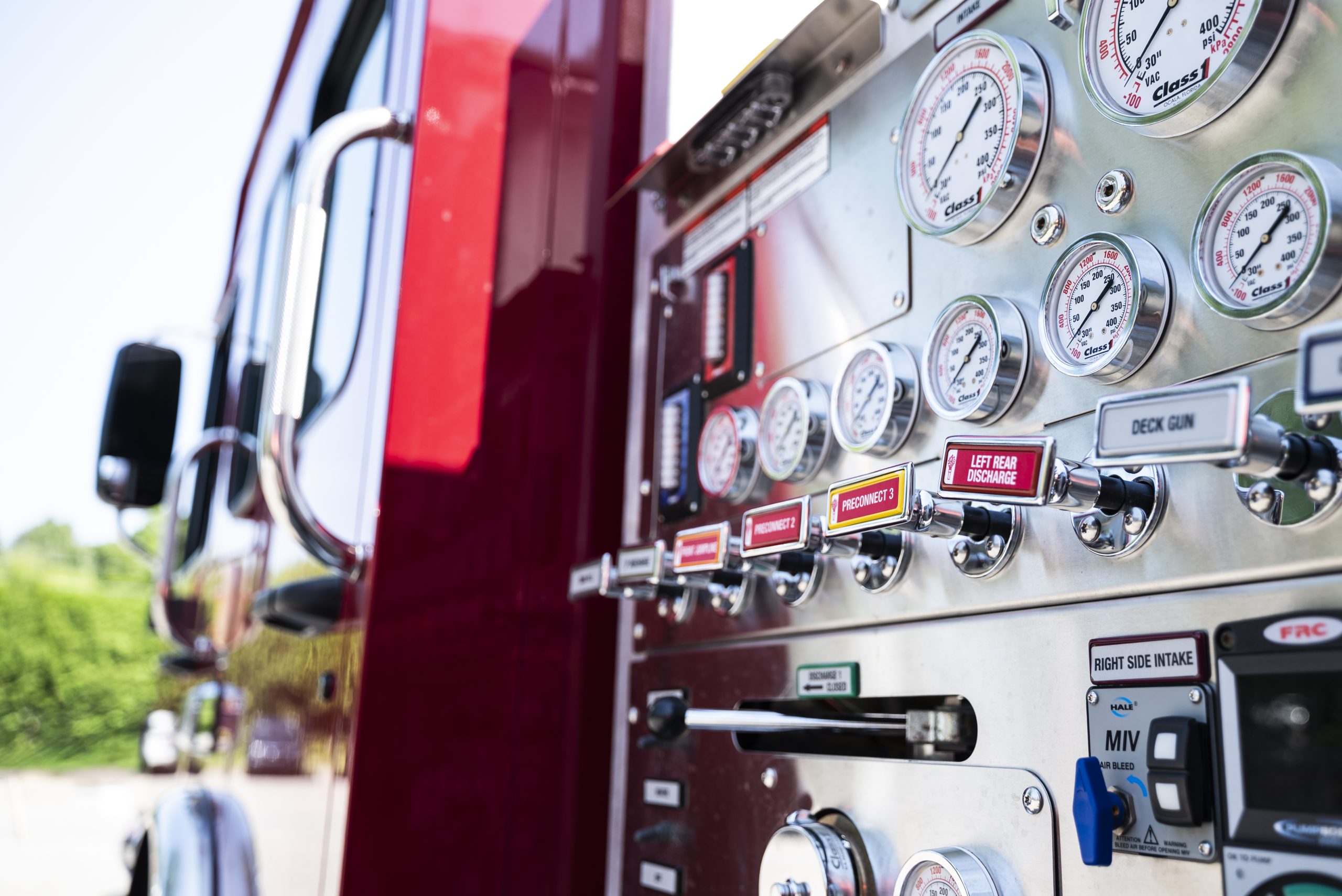
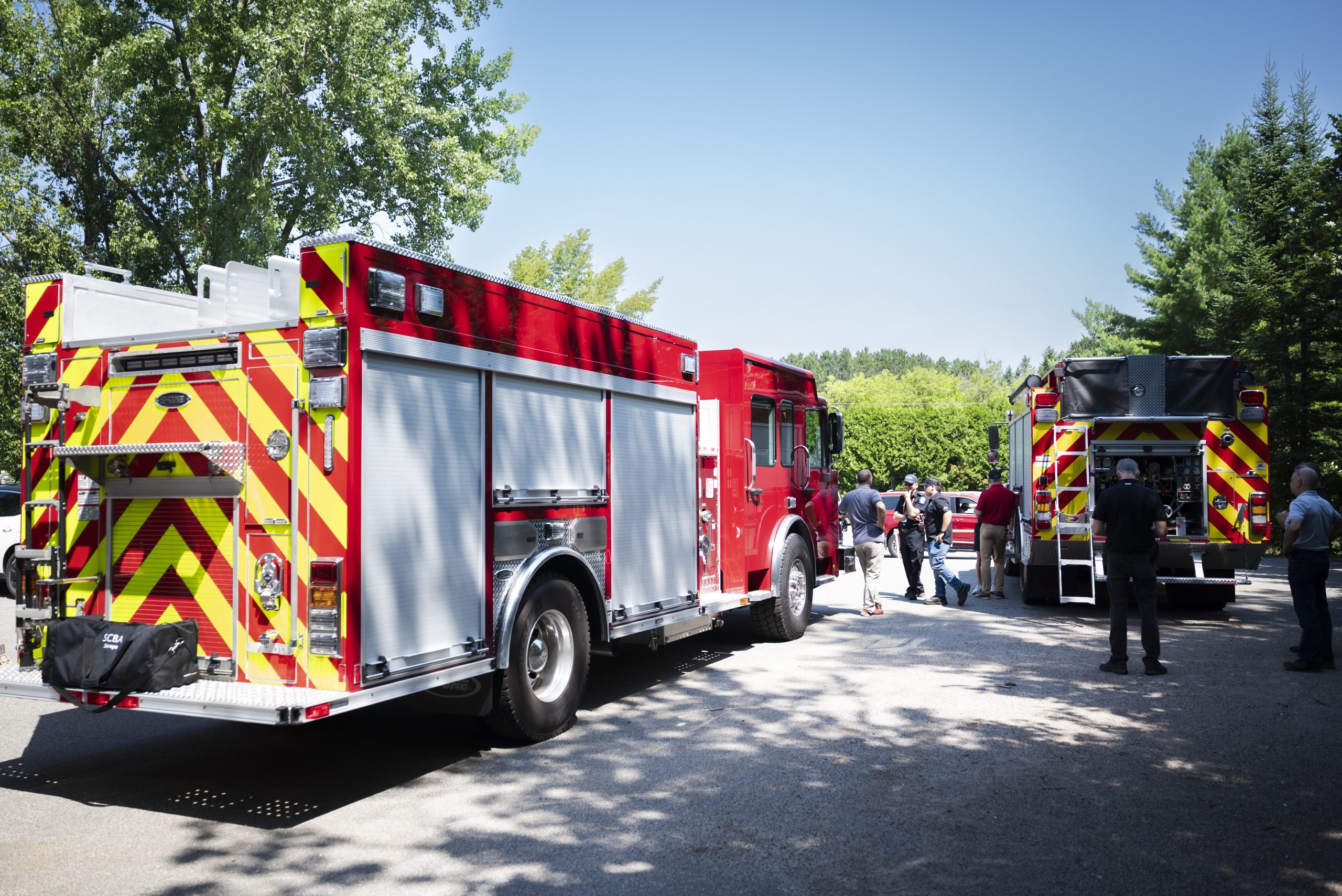
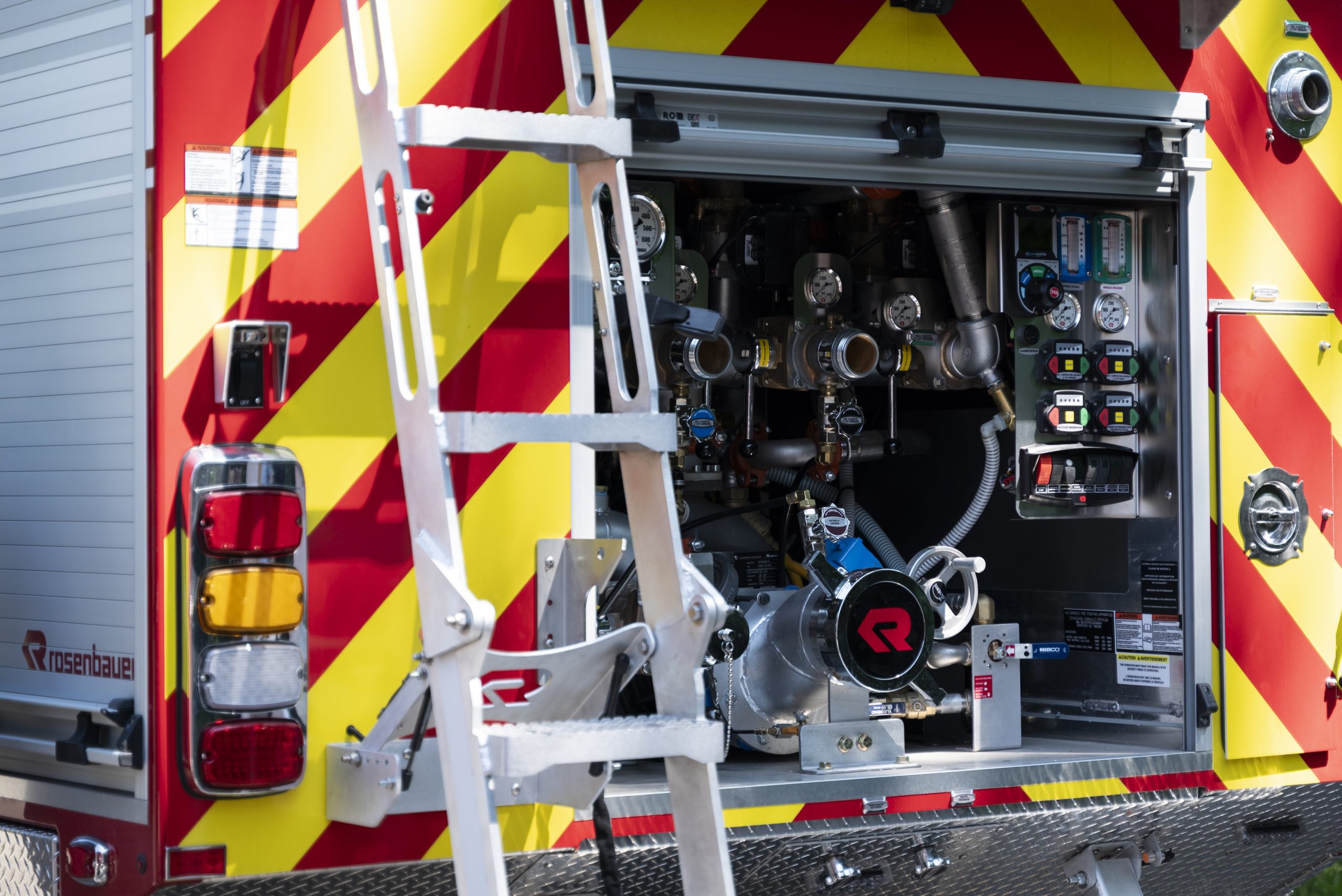
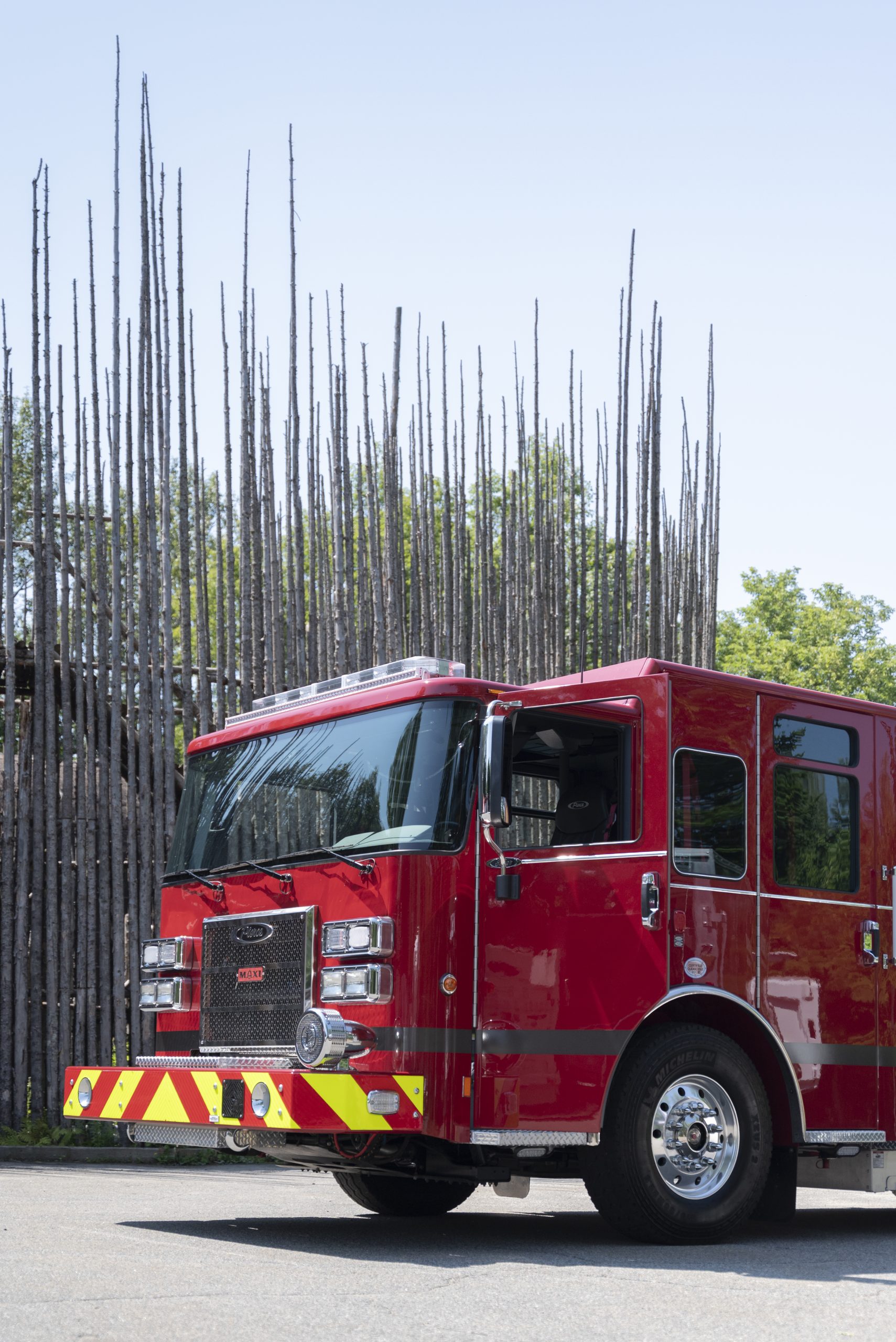
The second day covered mechanical maintenance and equipment inspection, emergency vehicle funding, certified training, and occupational health and safety in First Nations communities.
Participants emphasized the need for maintenance and repair tools available directly within communities, as well as the importance of a preventive approach rather than a reactive one when it comes to long-term occupational risks. They also raised concerns about non-recurring funding, which limits access to training and fuels a shared desire for greater autonomy in management.
Planning Infrastructure and Improving Data Collection
The final day focused on the construction of new fire stations, as well as data collection and intervention plans. Discussions underscored the importance of drawing on the experience of communities that have already carried out a fire station project, as well as recognition as a lever for staff retention.
The event concluded with a visit to the fire station at Québec City’s Jean Lesage International Airport.
Shared Challenges, a Shared Vision for the Future
More than a series of presentations, this conference created a genuine space for fire services to share and connect. Collaboration between First Nations communities, IDDPNQL, and involved partners remains essential to building sustainable fire safety services adapted to First Nations realities — and to advancing the recognition of fire protection as an essential service.
We are honoured to support First Nations fire safety services in this process, united by a common goal: ensuring the safety of all and the long-term sustainability of local resources.