

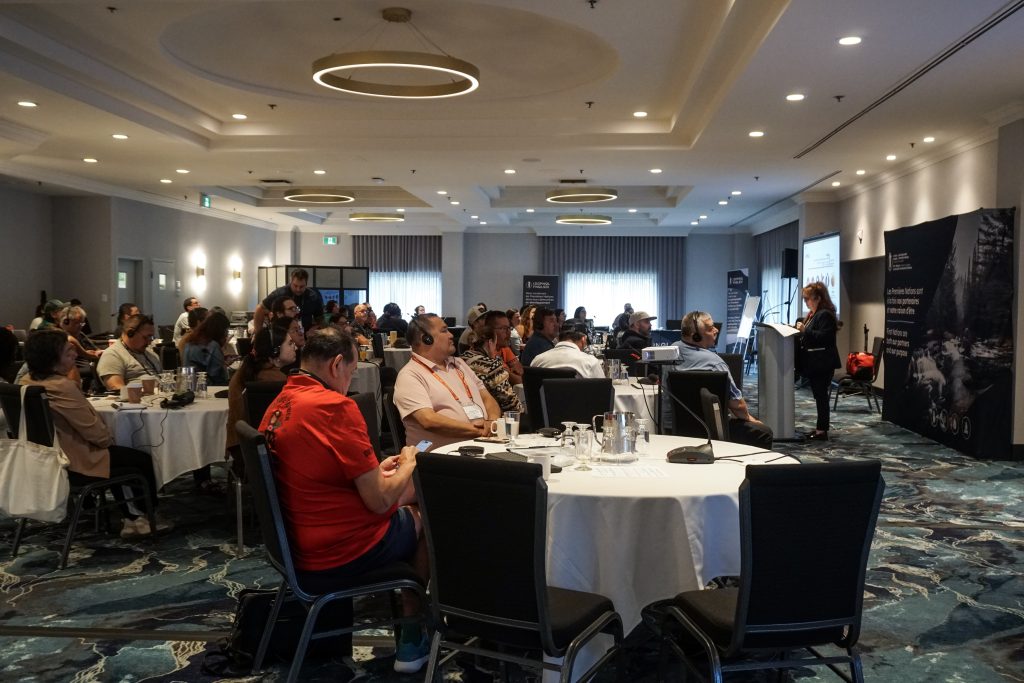
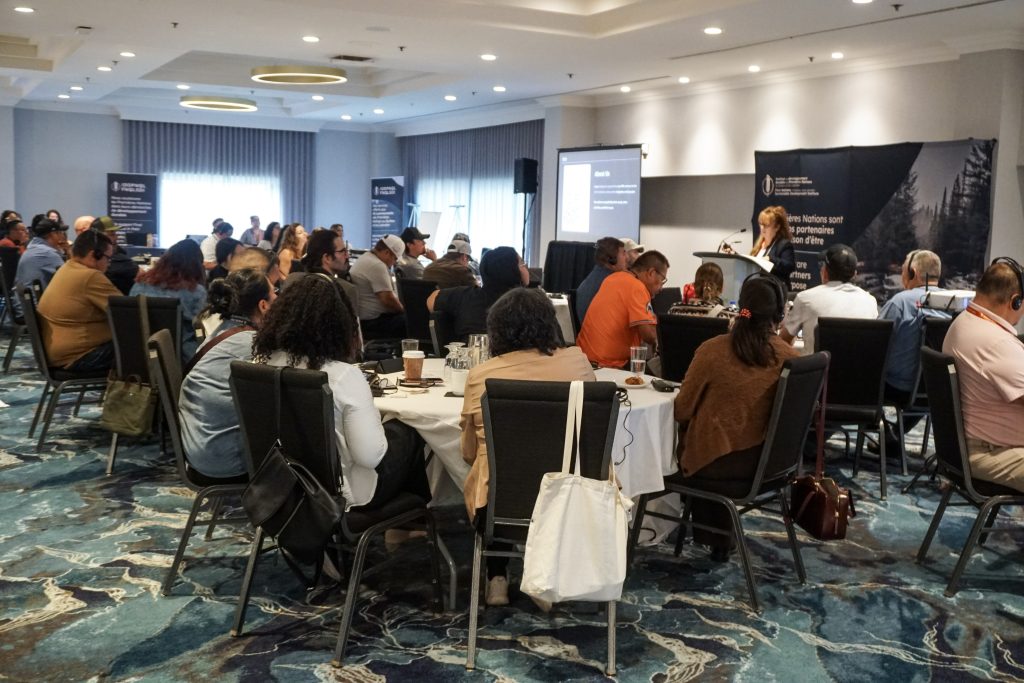
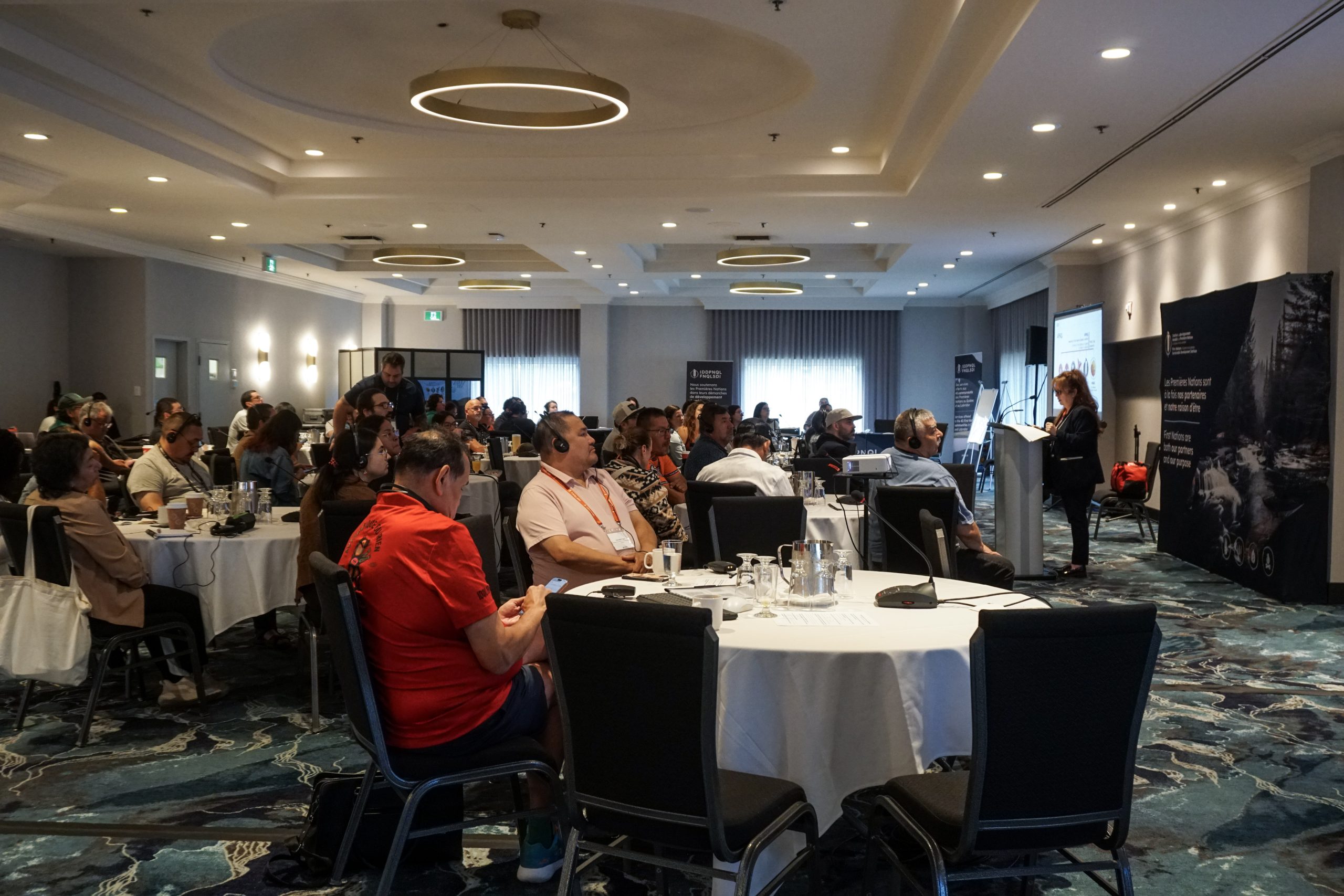
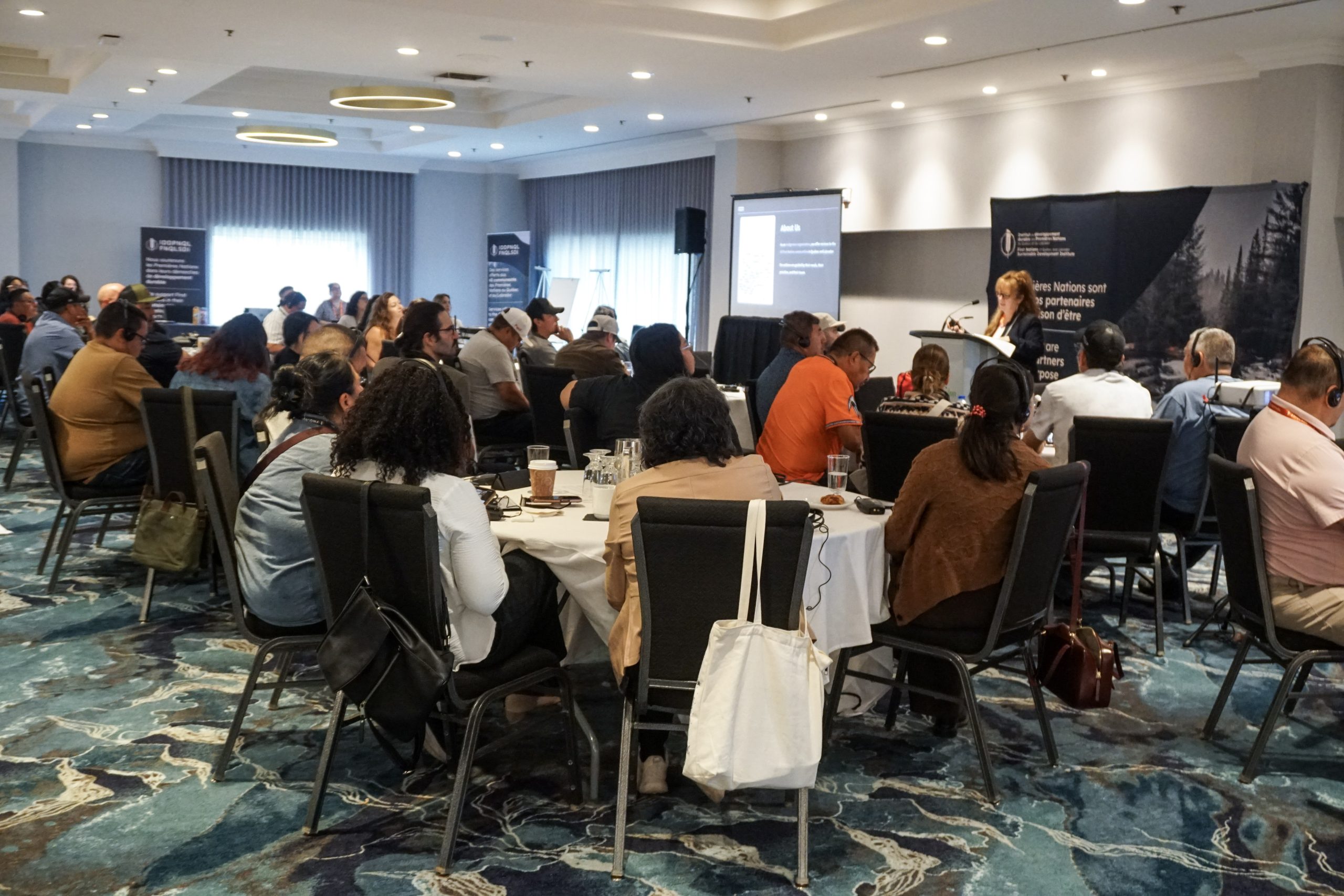
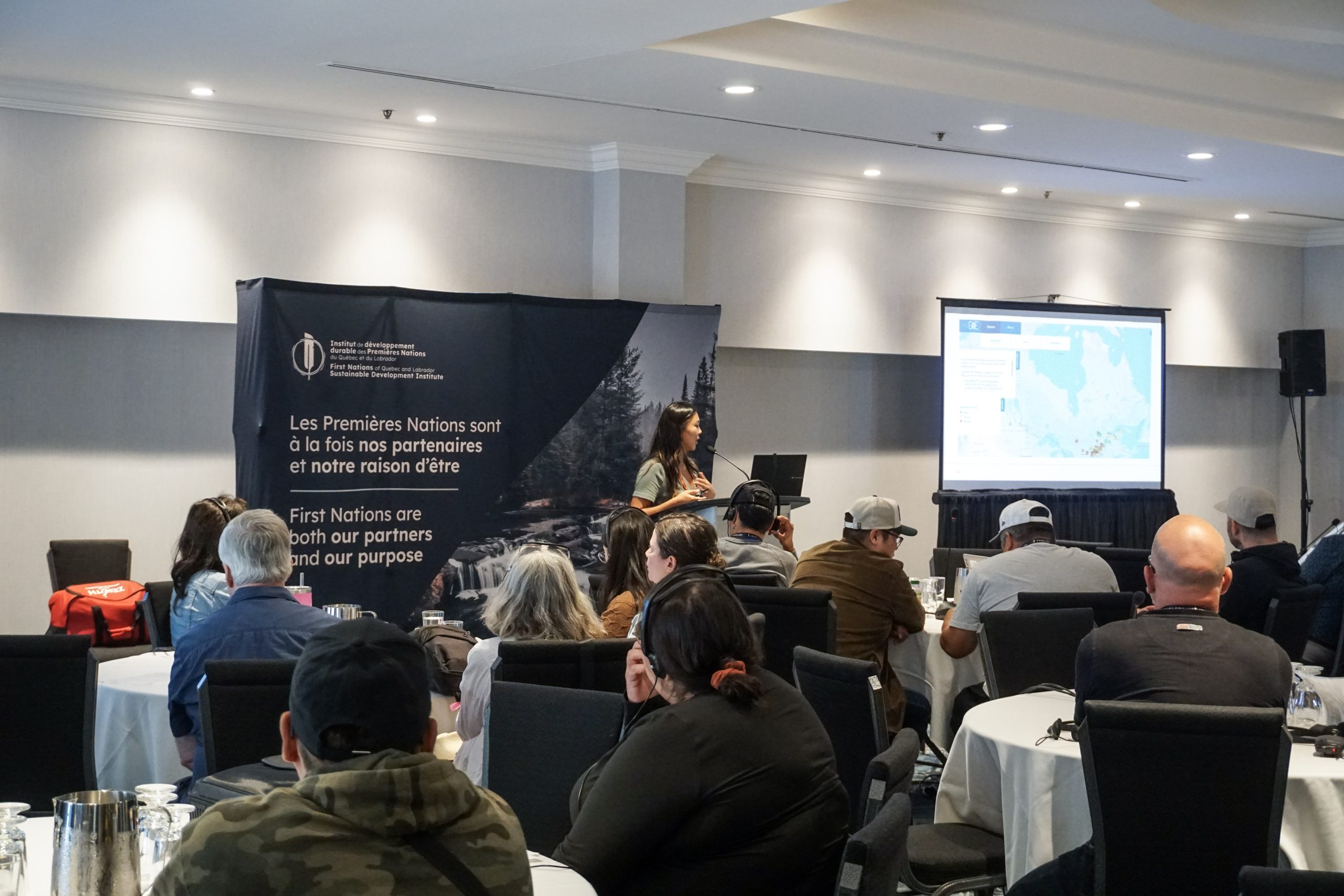
From September 1 to 3, we held our Water–Air–Soil Symposium: From Prevention to Contamination Response in Laval. The event brought together 51 participants from 29 communities representing nine Nations, as well as 20 speakers.
This first edition aimed to provide training, practical tools, and a space for knowledge sharing for First Nations members working in technical services and environmental fields, with a particular focus on water, air, and soil contamination issues.
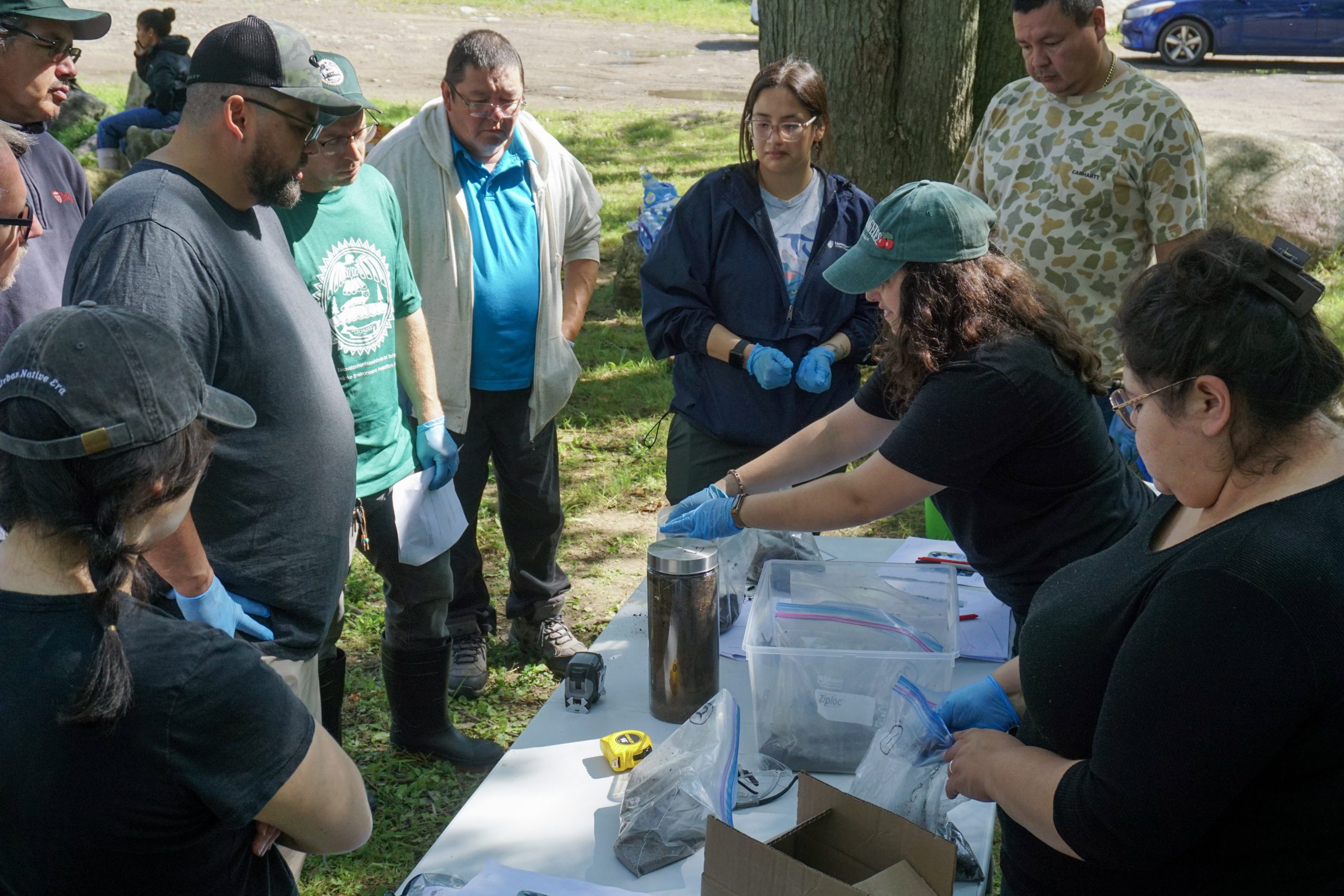
Training and Practical Tools
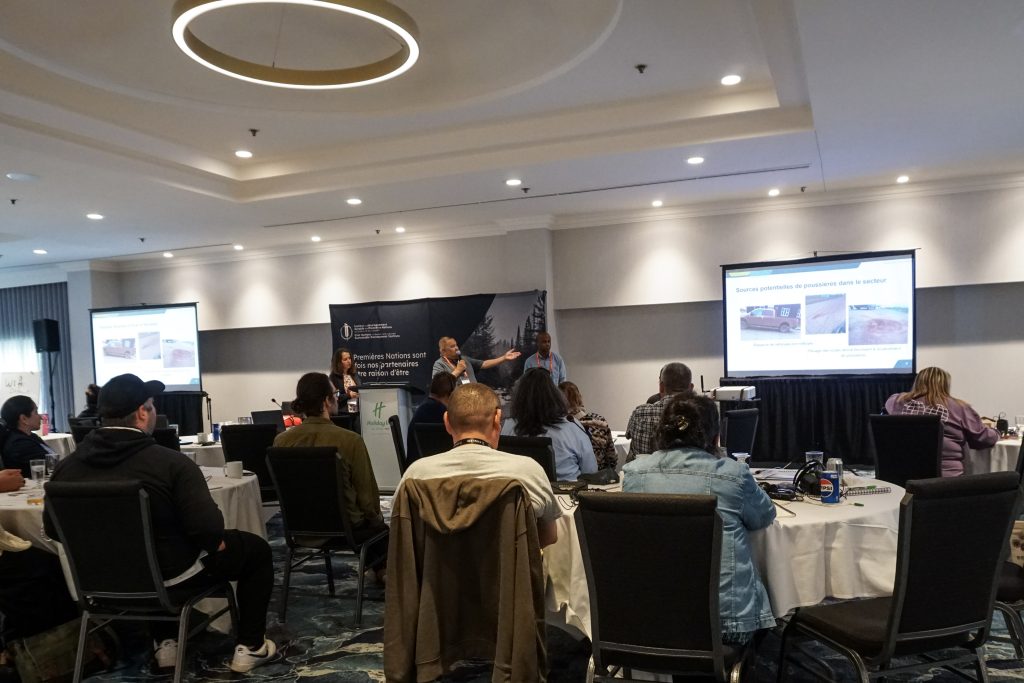
Participants were able to deepen their knowledge of several technical topics, including microplastics and emerging contaminants, water monitoring, and sediment sampling. We presented our guide to minor spills and provided a copy to every participant. We then put its content into practice through exercises, allowing participants to become familiar with how to use it. A presentation on citizen science as a driver of engagement also explored how rivers can connect communities more closely with their environmental issues.
A discussion workshop brought participants together to explore issues observed in their communities, as well as solutions already implemented or being considered to improve air quality and waterways.
Sharing Expertise Between First Nations
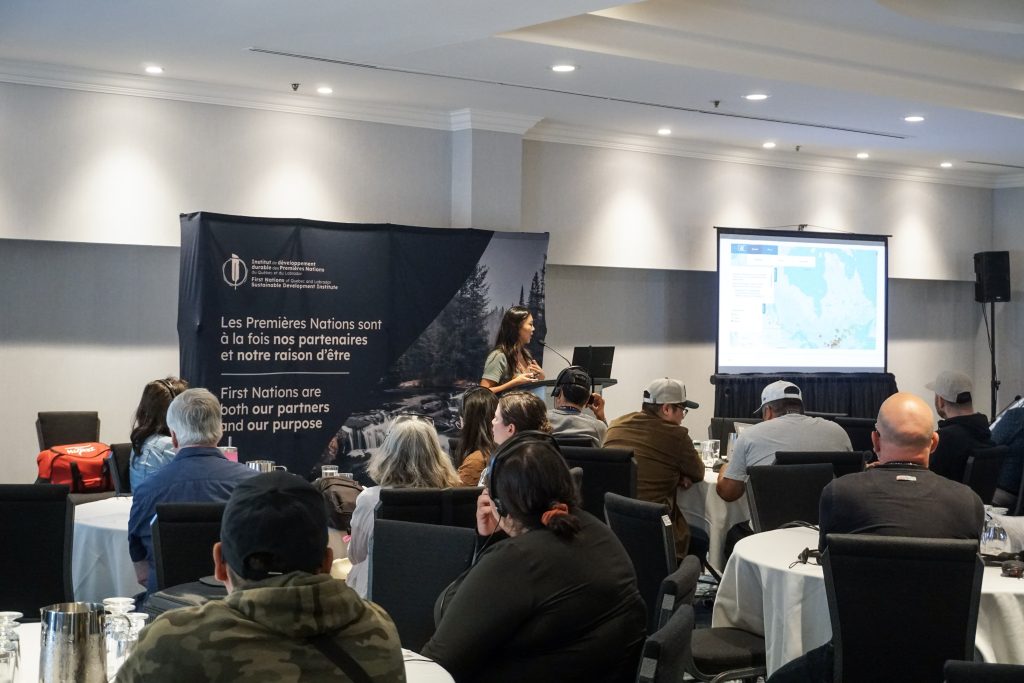
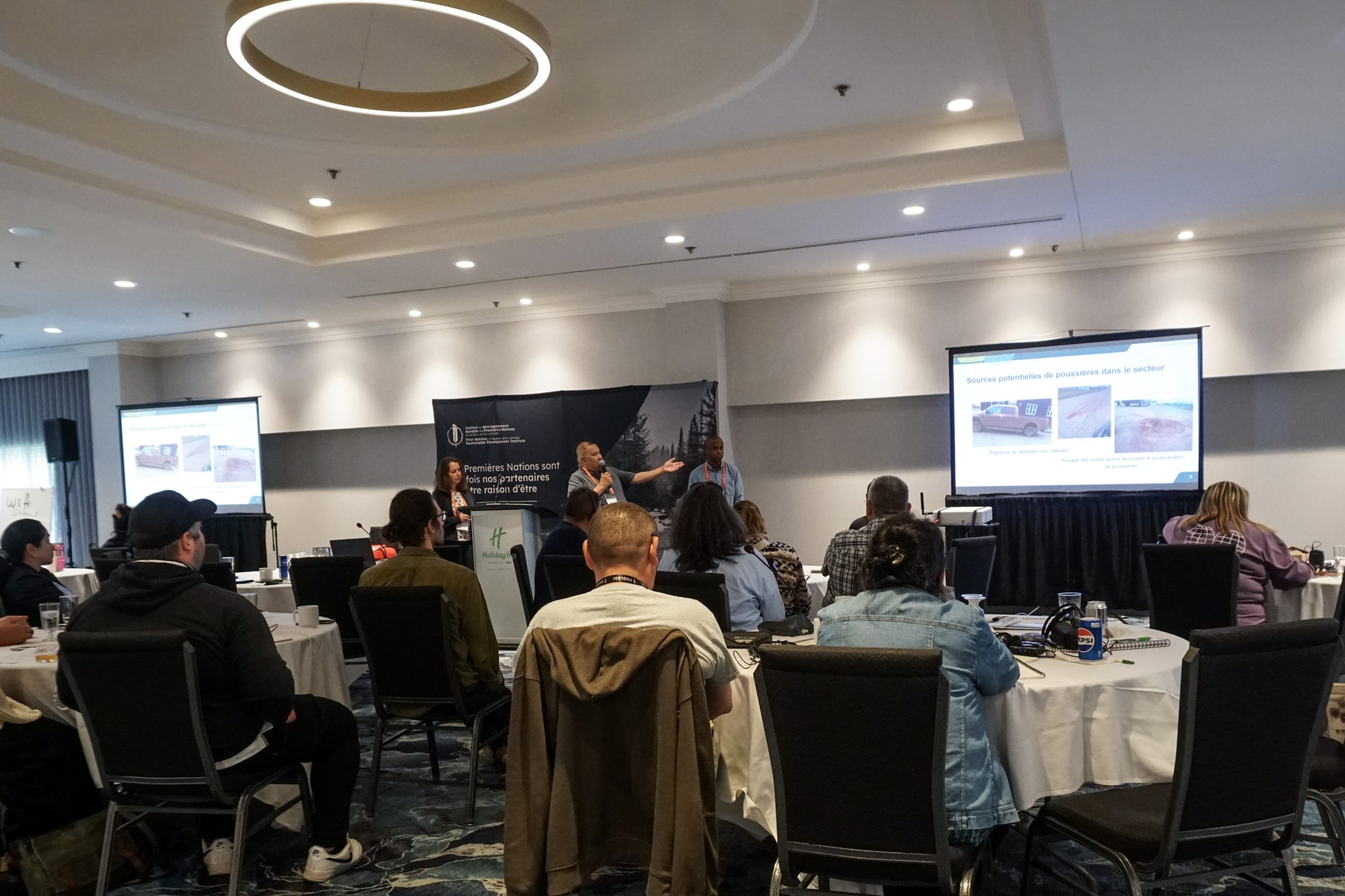
Several communities presented their own projects, including rehabilitation work and the contaminated-soil treatment facility in Opitciwan, air quality monitoring in Kahnawà:ke, the air quality analysis project in Matimekush–Lac John, and water, soil, and plant sampling in Kanehsatà:ke. The W8banaki team also presented the installation of its PurpleAir sensors.
Our information booths gave participants an opportunity to discover some of our environmental services, our training on bioindicators, ecotoxicology, and environmental DNA, as well as our multilingual books.
Other Noteworthy Presentations
The symposium also addressed contaminated sites in Indigenous communities, air quality near the Horne Smelter, and an introduction to outdoor air quality. The community of Ekuanitshit won the spill response kit offered during the event.
Field Training in Kanehsatà:ke
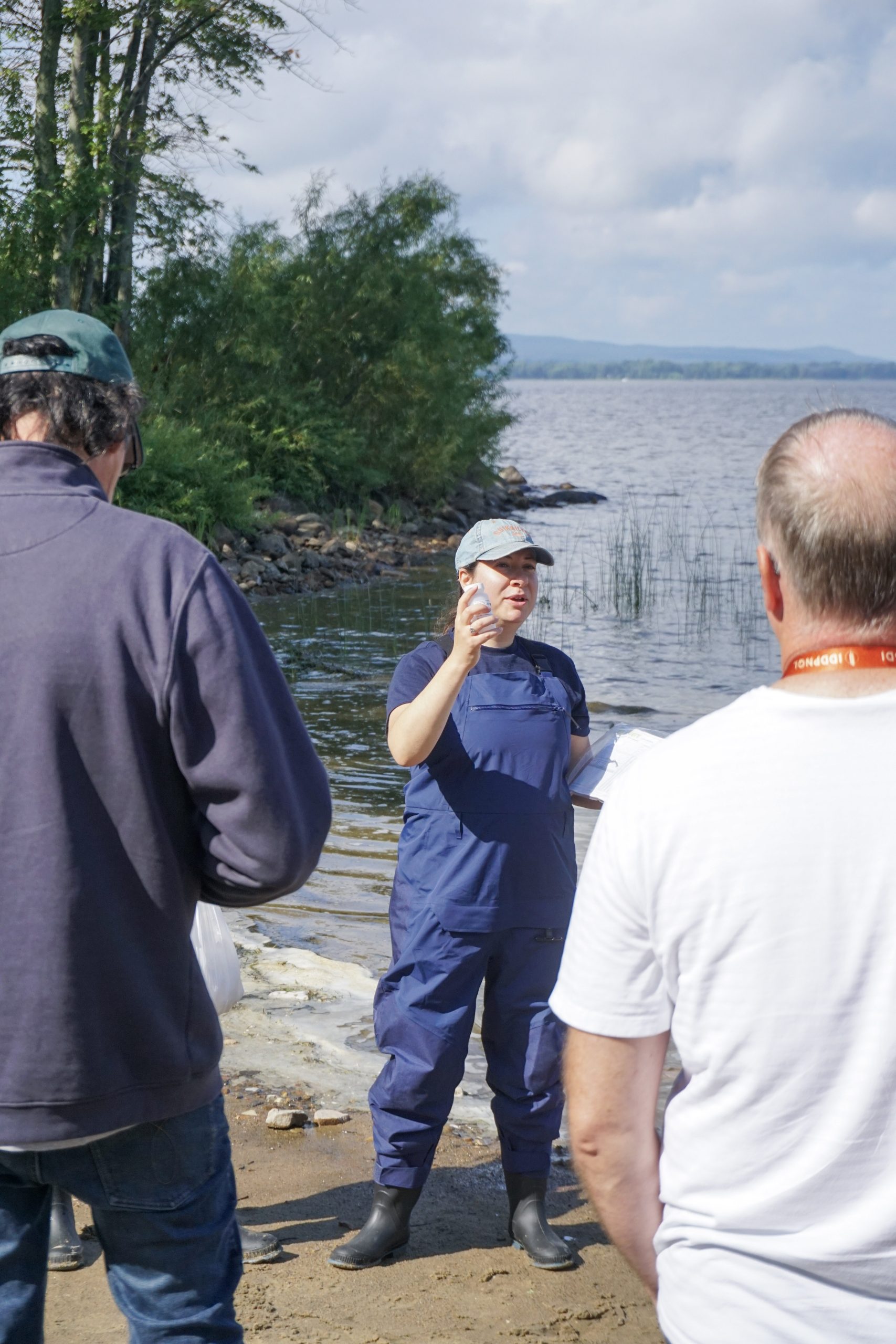
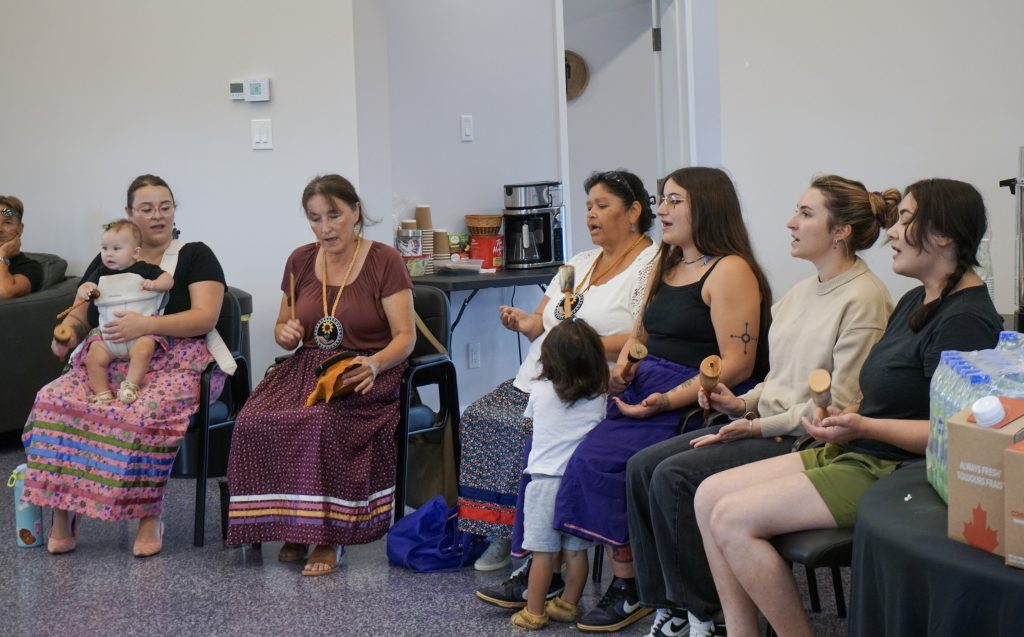
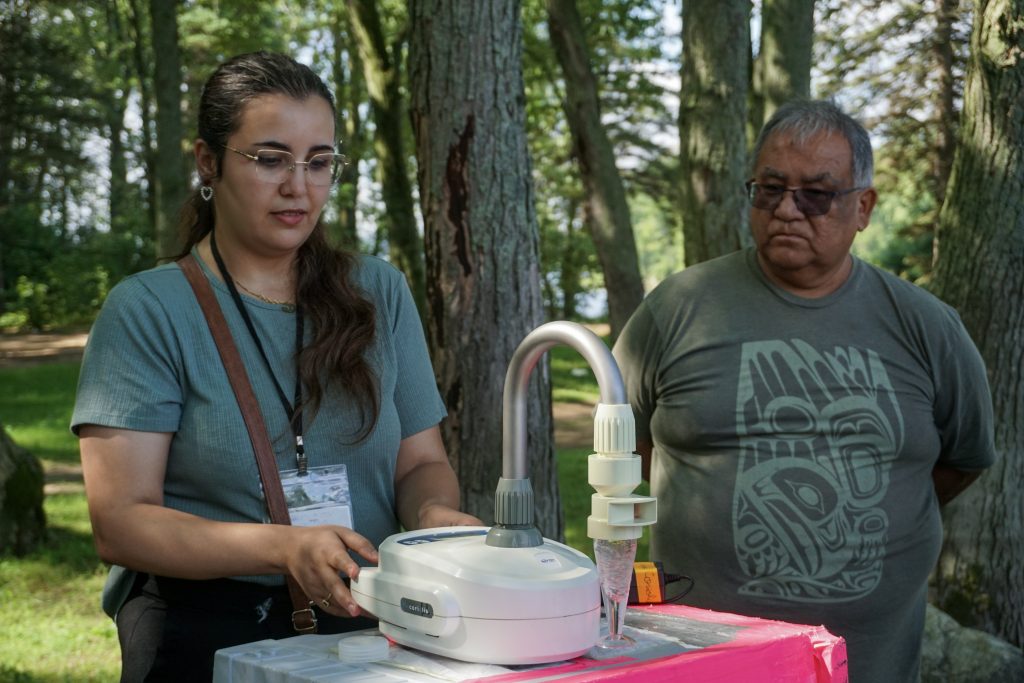
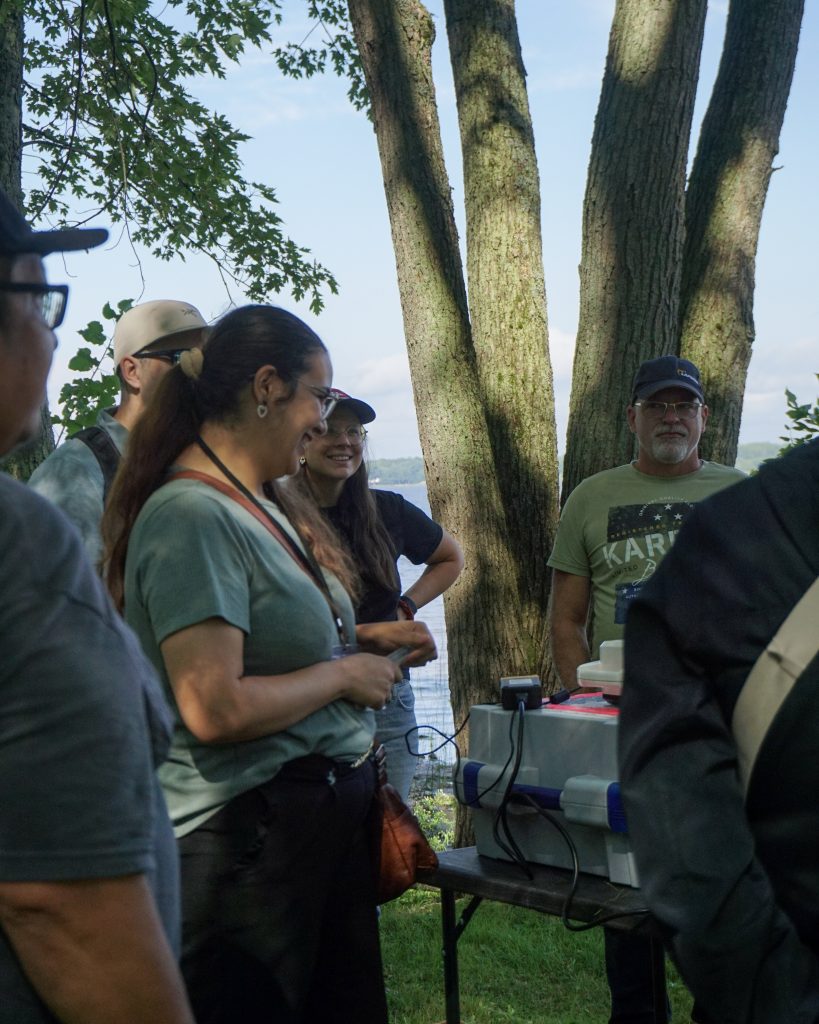
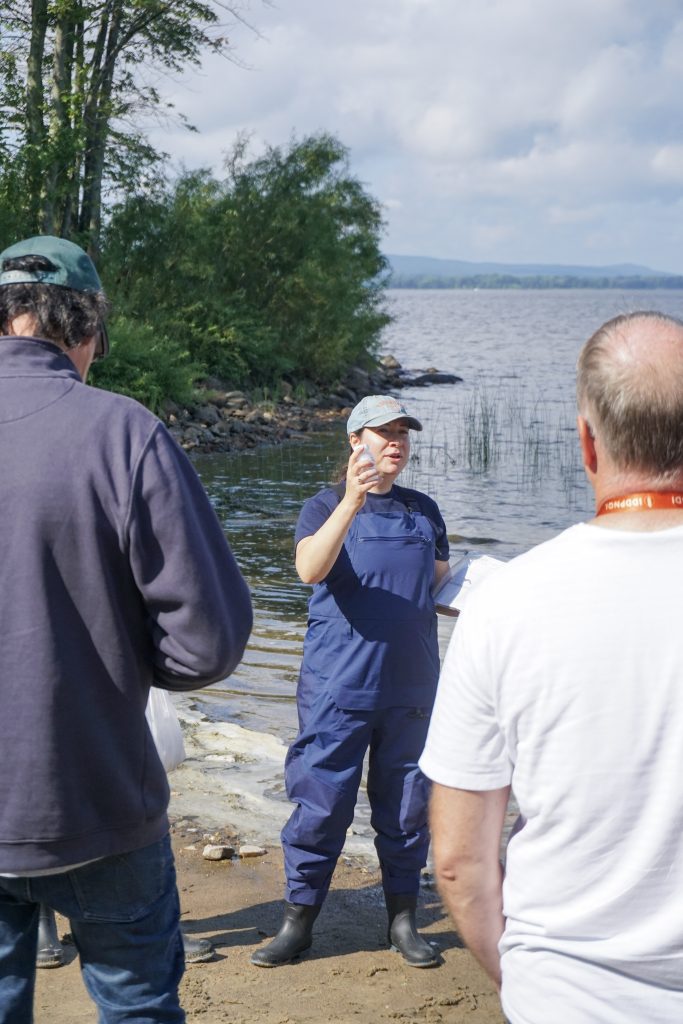
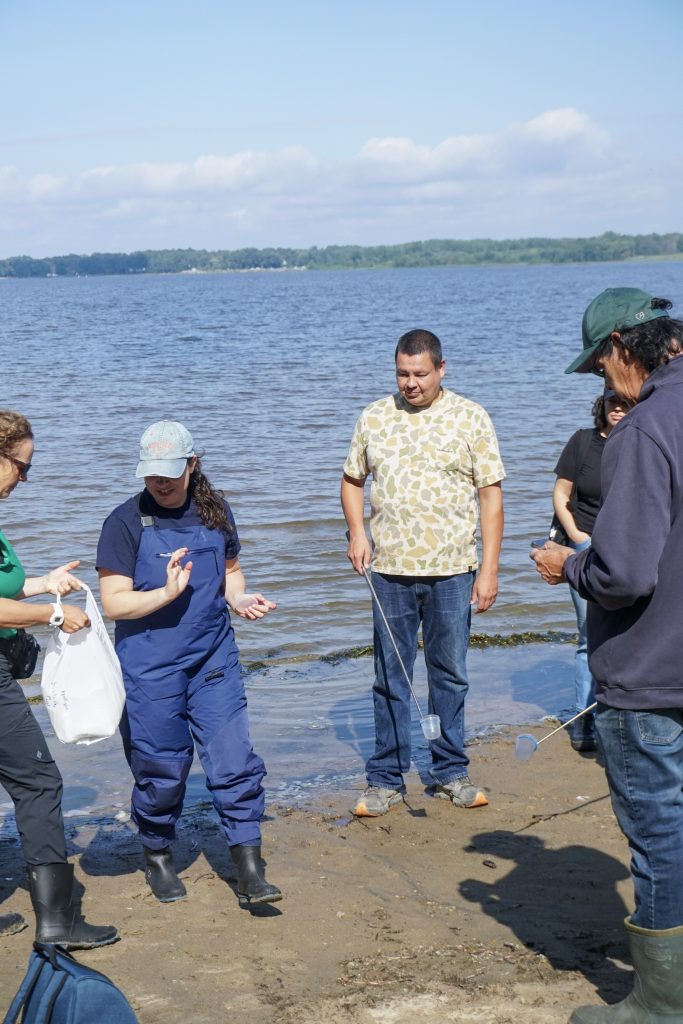
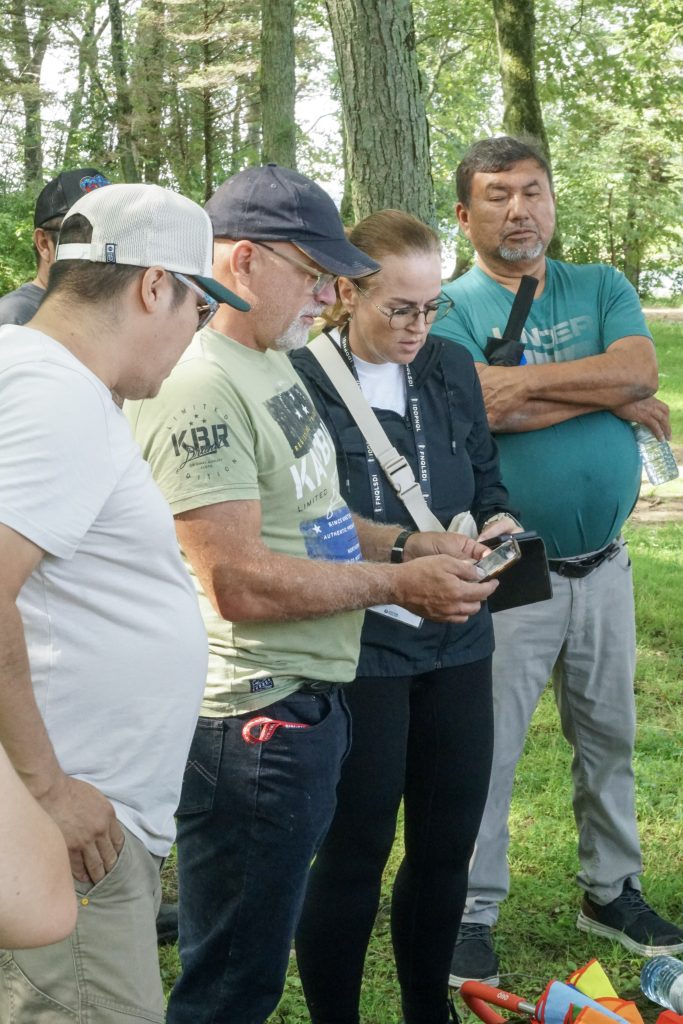
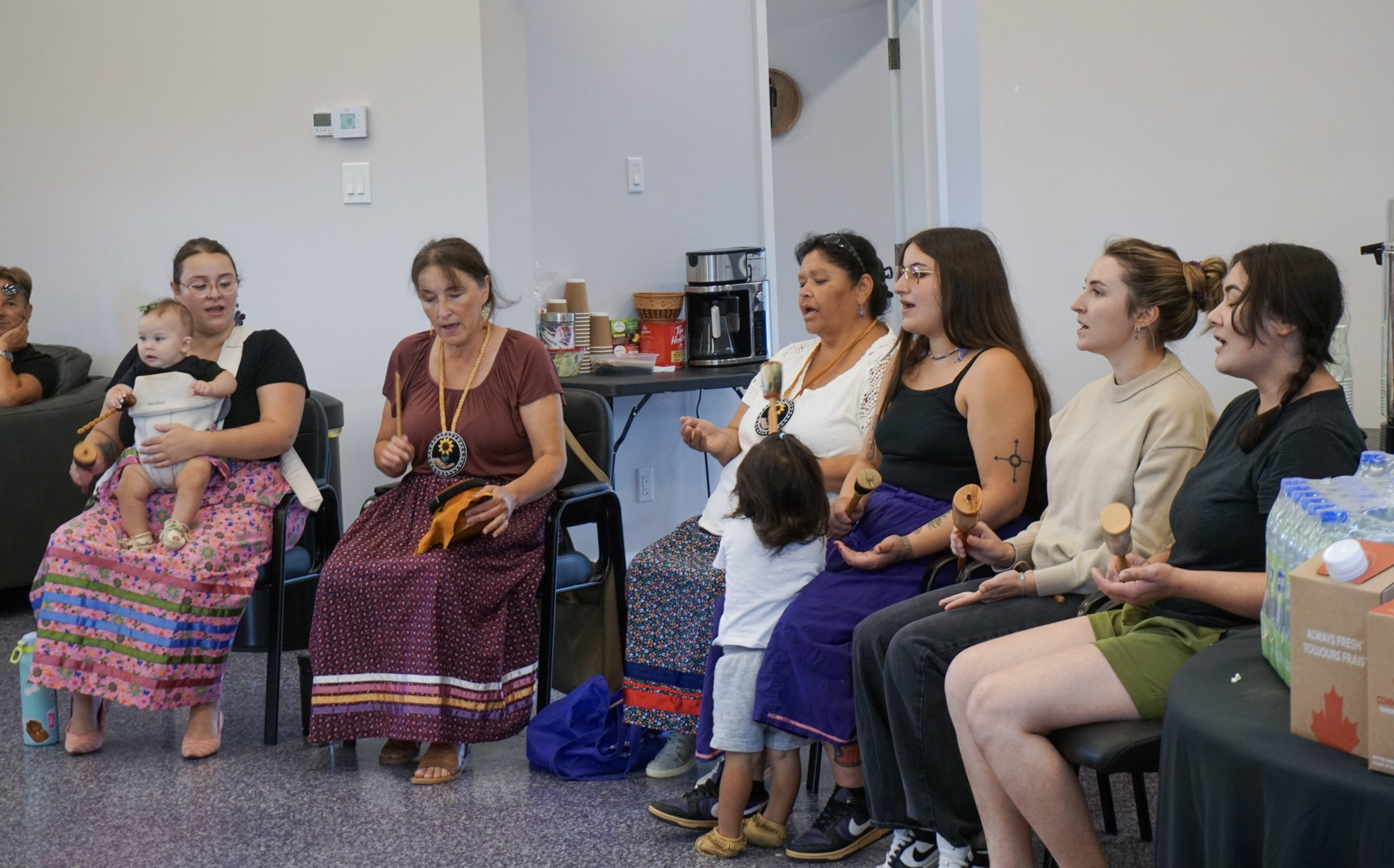
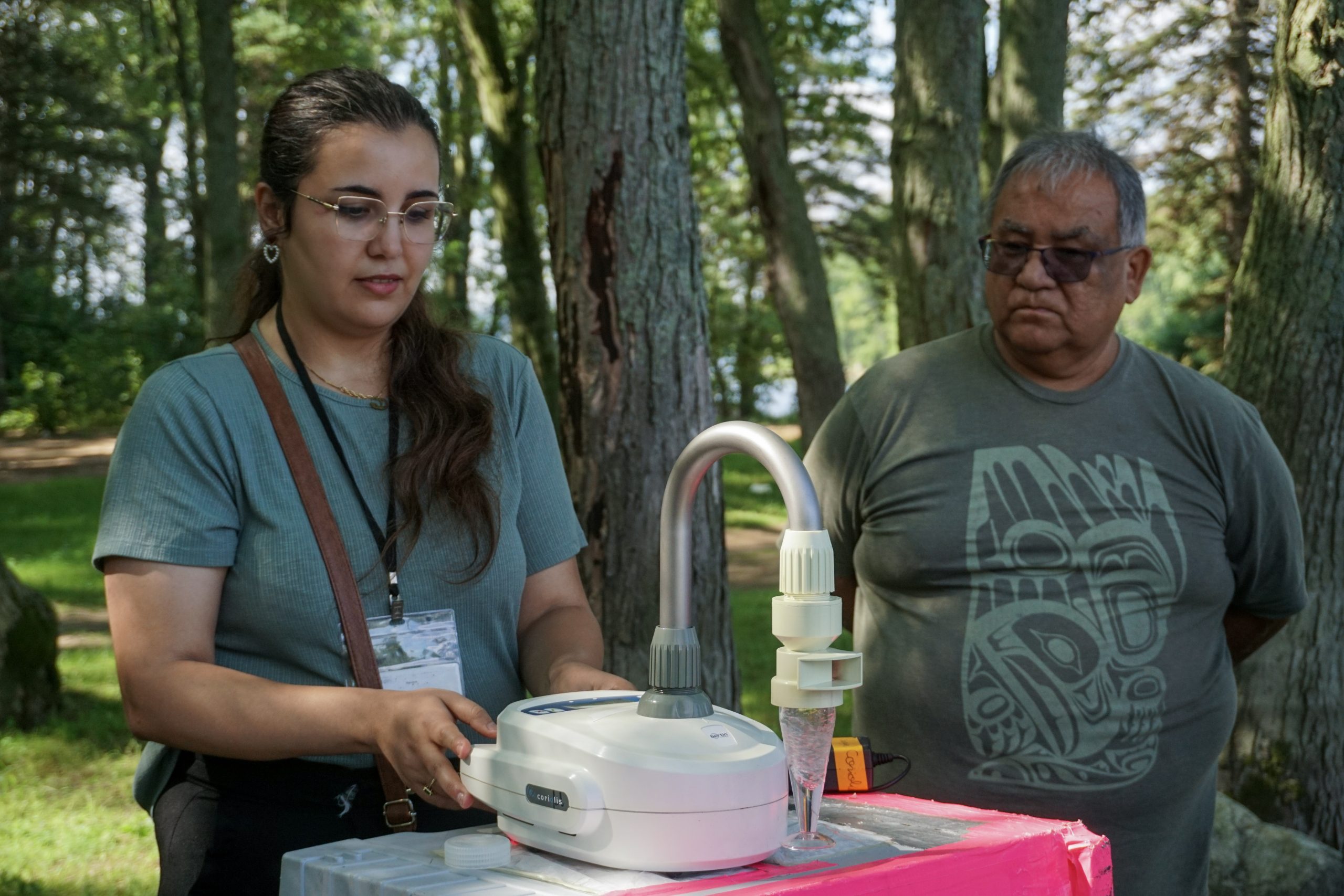
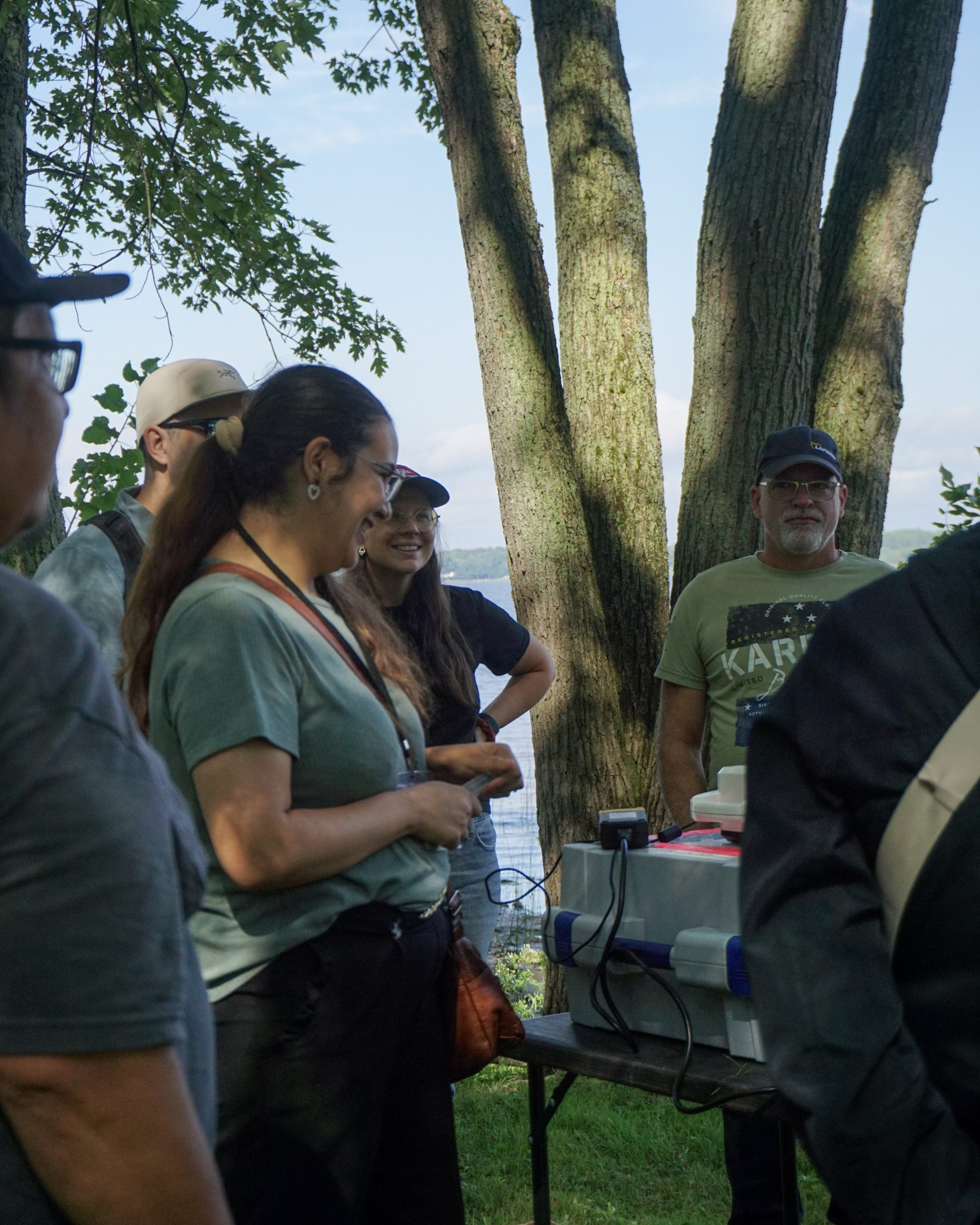
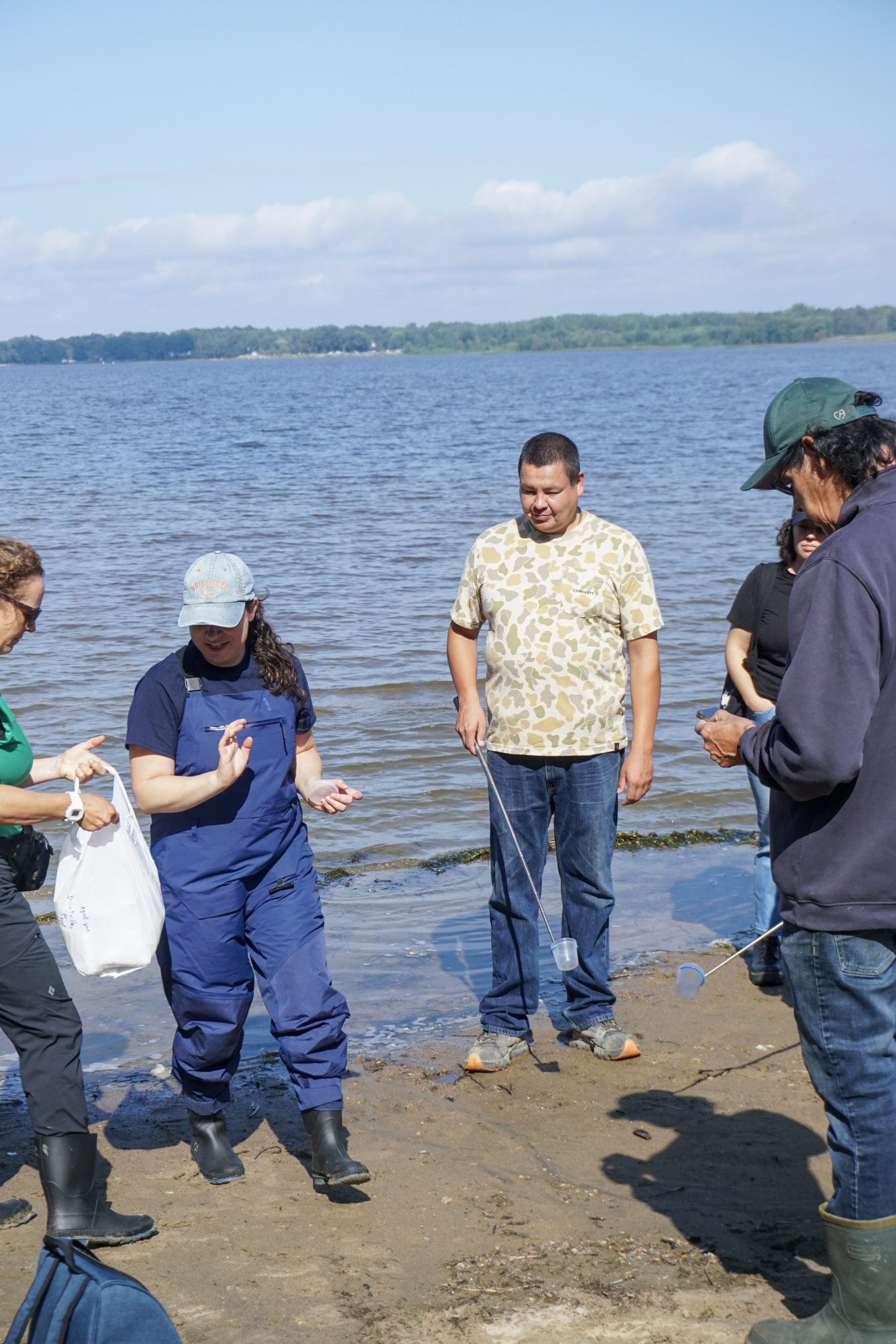
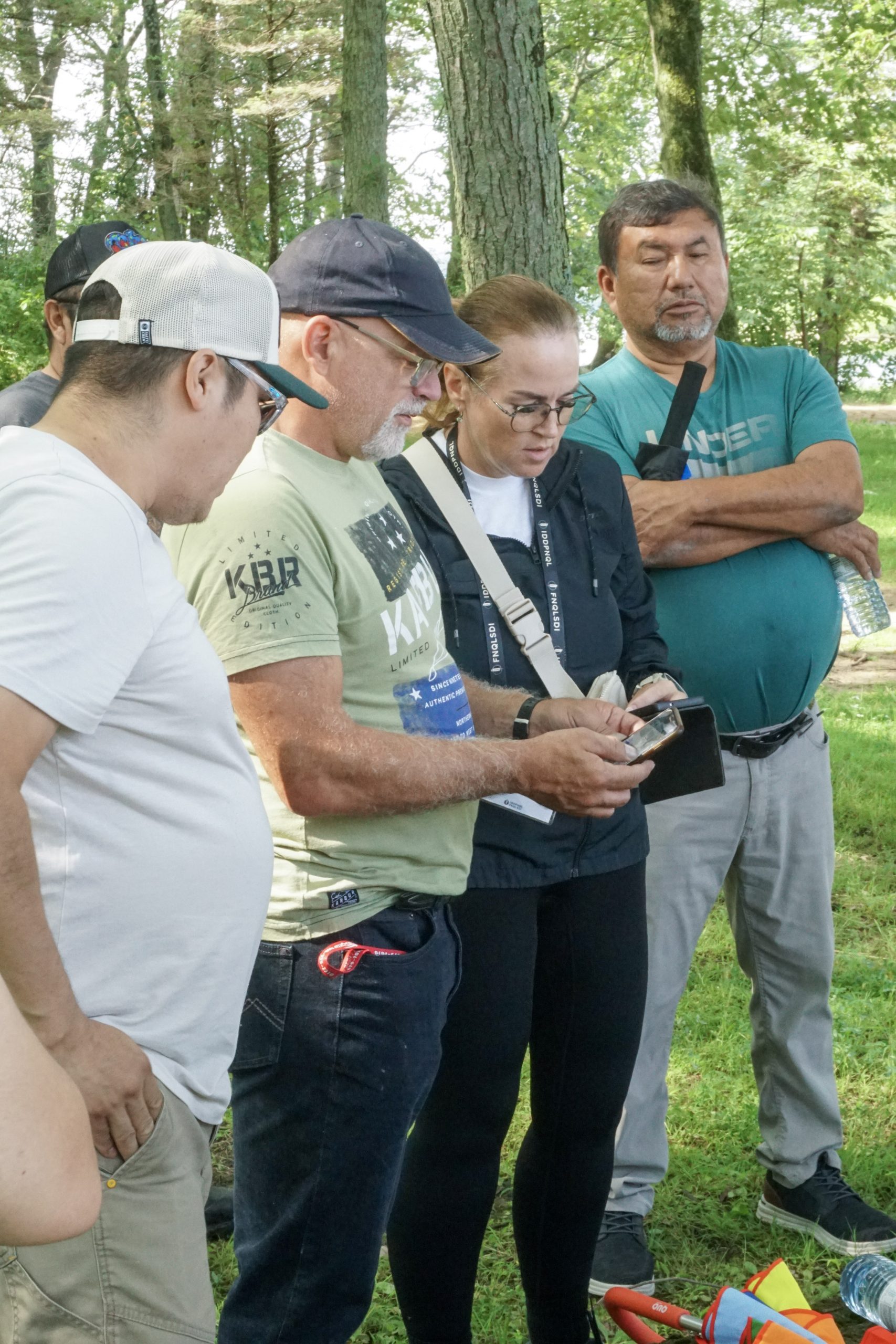
The symposium concluded with a half-day field training session in Kanehsatà:ke, where participants practised sampling water, soil, and air. A cultural activity brought the final day to a close, featuring a performance by the community’s Kontirennotátie singers and a traditional lunch.
Acknowledgements
We would like to extend our sincere thanks to Karonhiénhawe Delormier of Kahnawà:ke for delivering the opening remarks and serving as the symposium host.
We also thank our presenters: Marc Amyot – Full Professor at Université de Montréal; Mariane St-Aubin – Project Manager at G3E; Daniel Greene – Ecotoxicologist; Zachary Awashish-Simard – Environmental Officer in Opitciwan; Cole Delisle – Environmental Project Coordinator in Kahnawà:ke; Mélanie Talbot – Manager of the Environment Team at Indigenous Services Canada; Conrad André – Land Guardian in Matimekush–Lac John; Mireille Carpentier and Frédéric Valcin – Health Canada; Patrick Hayes and Kevin Wilkinson – Full Professors at Université de Montréal; Kailey (Karahkwinéhtha) Nicholas and Sophie Emberley-Korkmaz – Kanehsatà:ke; and Joanie Buist and Benoit Gingras – W8banaki.
We would also like to thank the community of Kanehsatà:ke for welcoming us for the field training on the final day, as well as the Kontirennotátie singers for their performance, which brought the symposium to such a fitting close.
This symposium was made possible through the support of Indigenous Services Canada, the Canada Water Agency, Environment and Climate Change Canada, and the Fonds d’action québécois pour le développement durable (FAQDD).