Four Innu First Nations collaborate on climate monitoring of berries

Project carried out in collaboration with the Innu First Nations of Ekuanitshit, Nutashkuan, Unamen Shipu and Pakua Shipu.

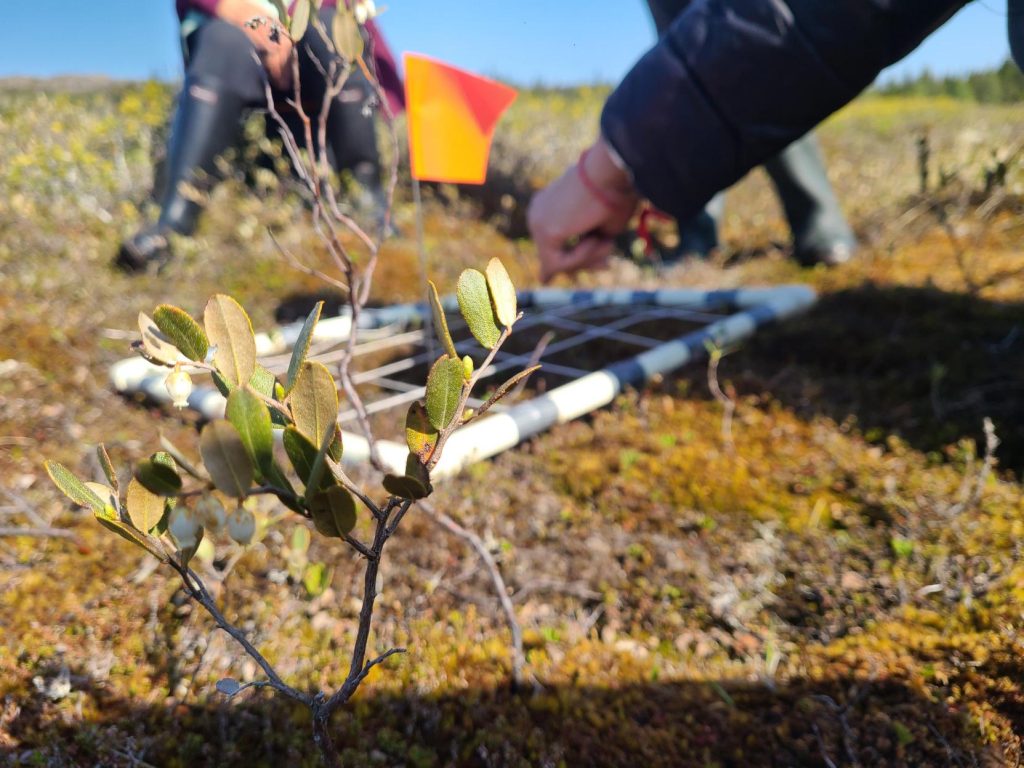
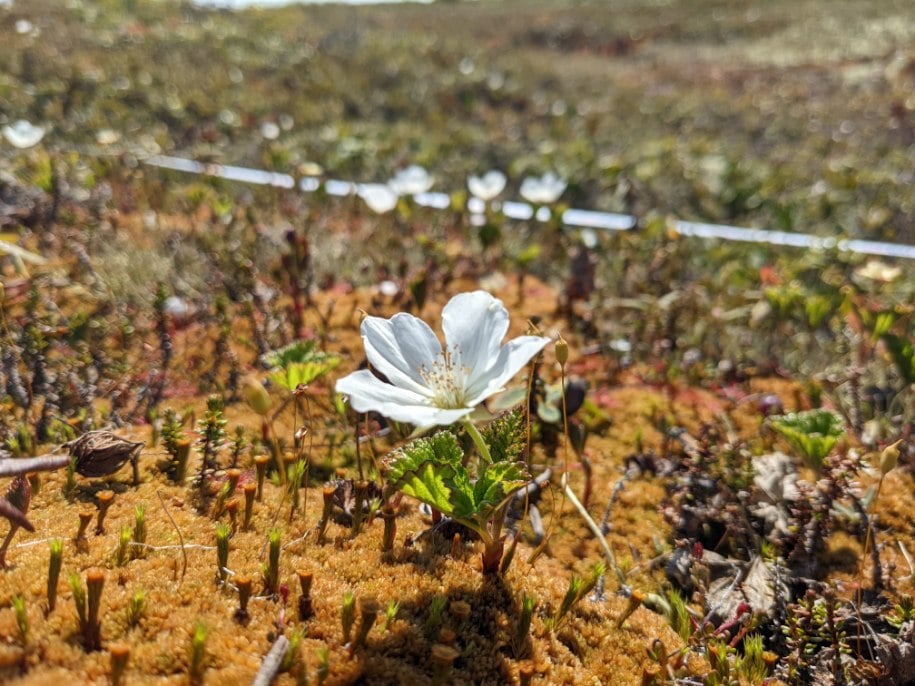
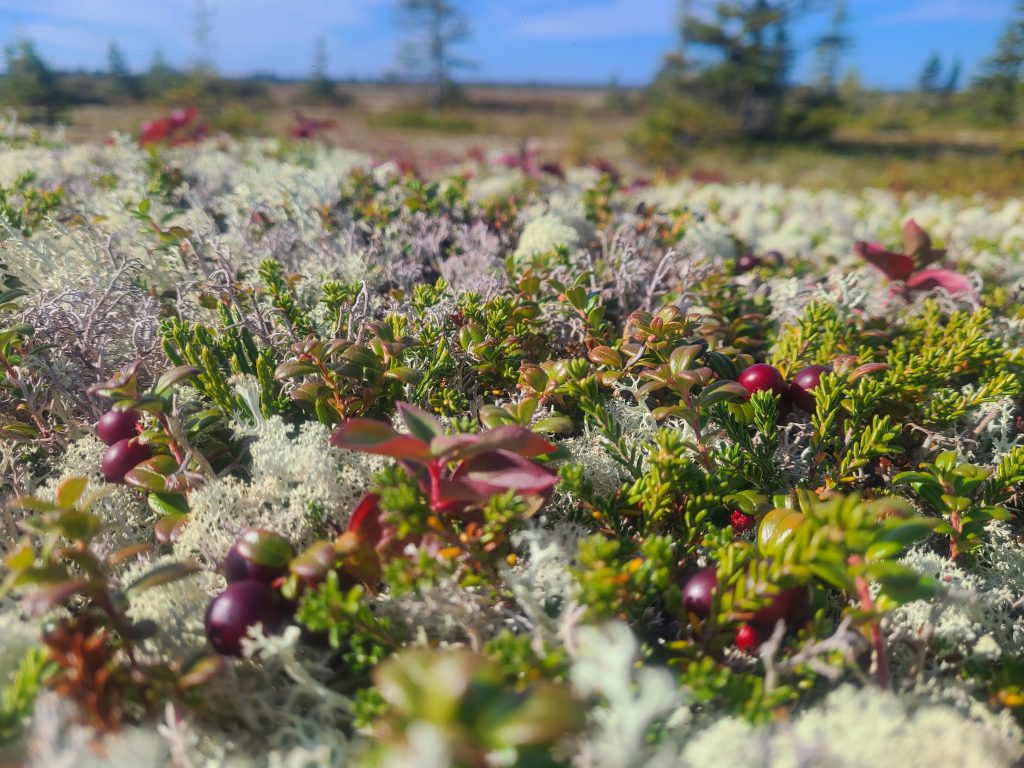
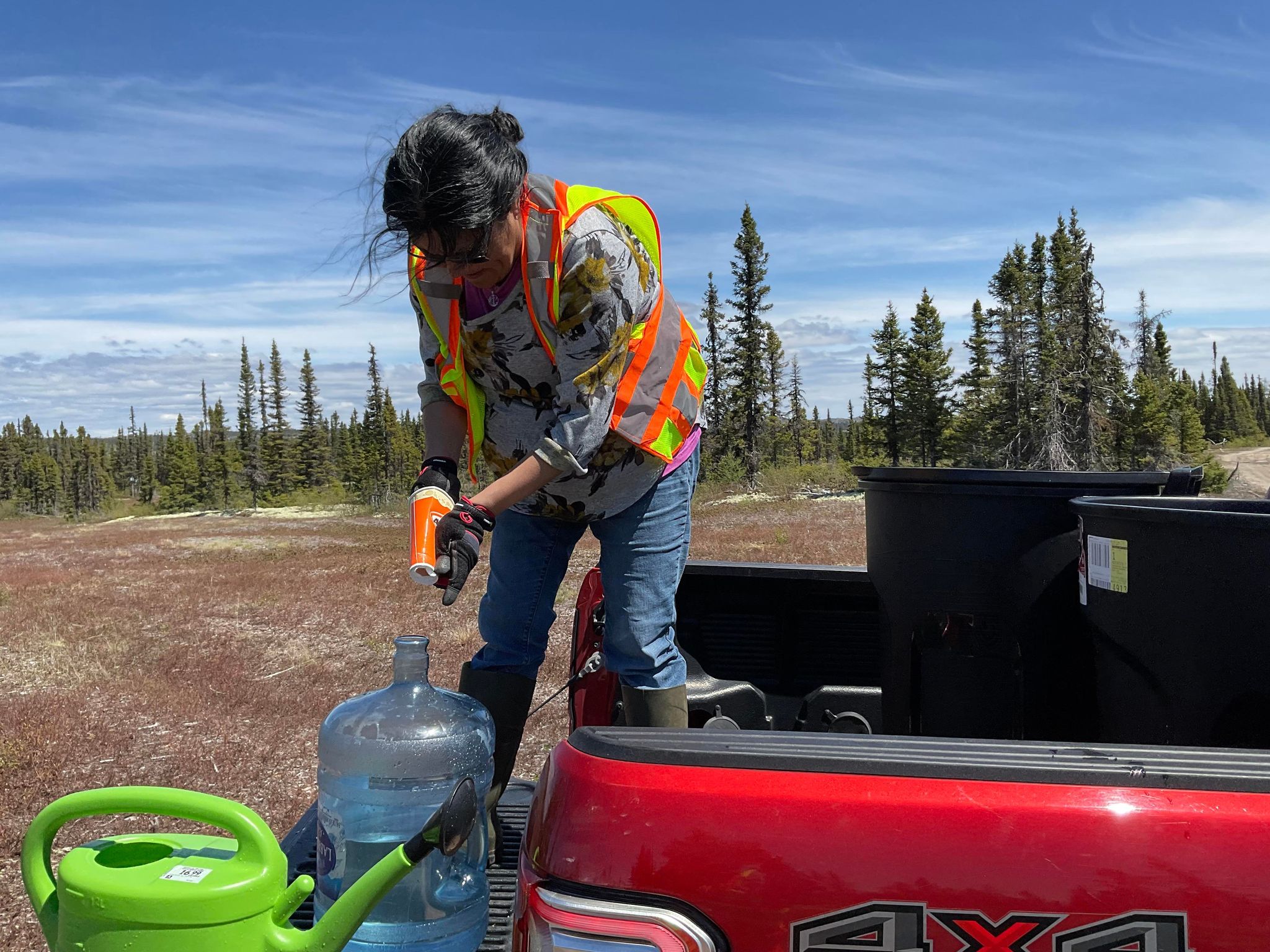
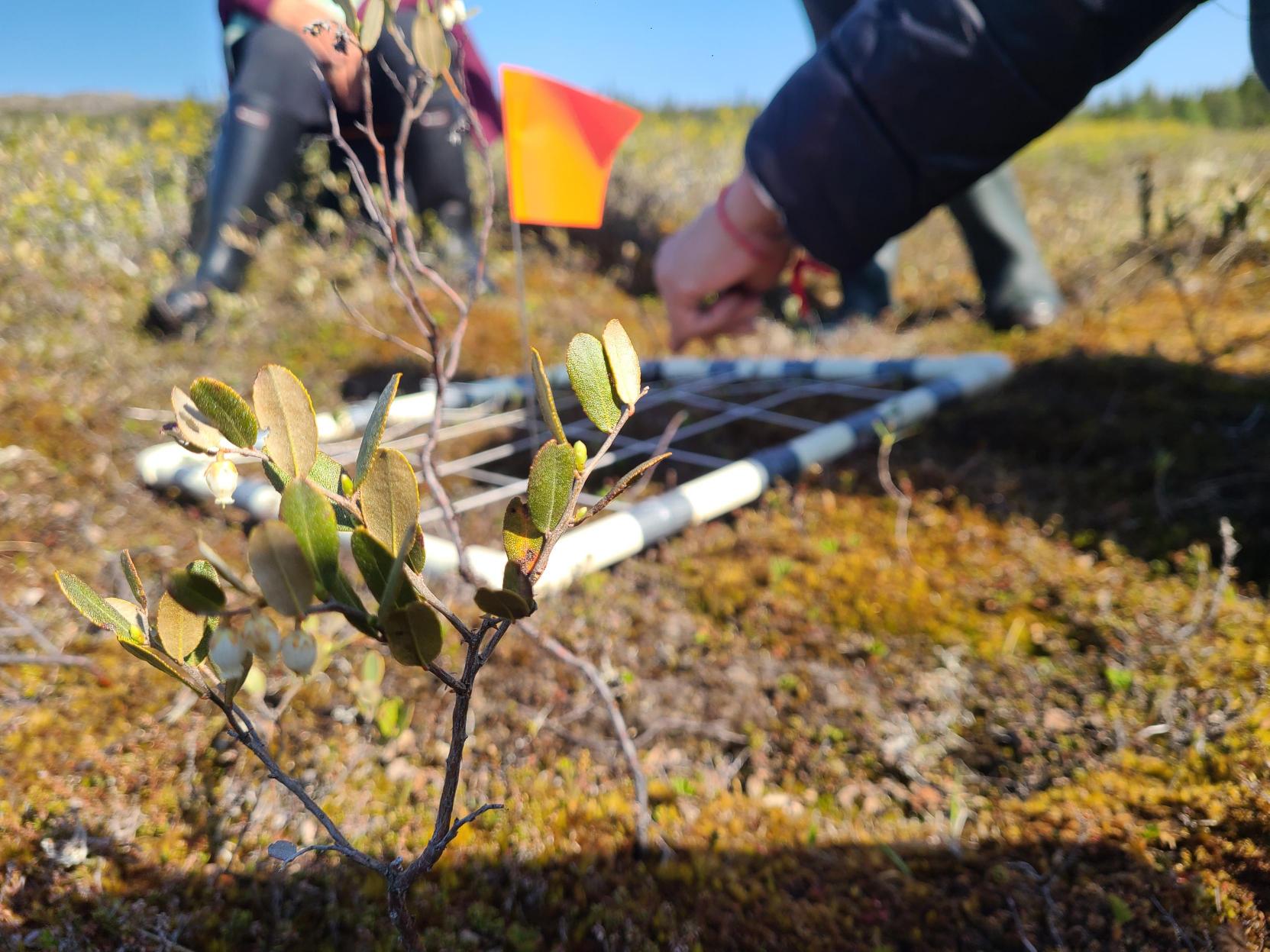
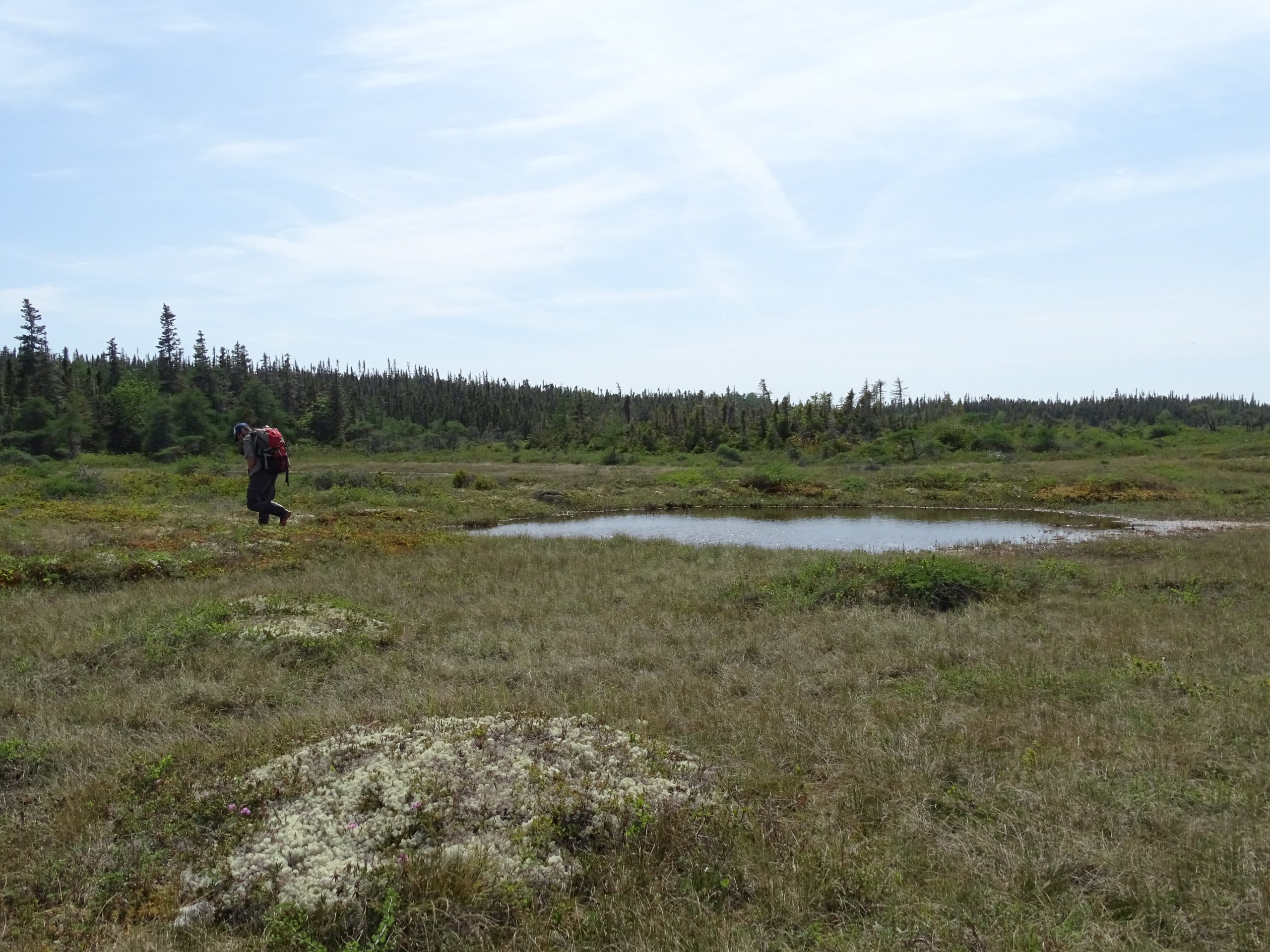
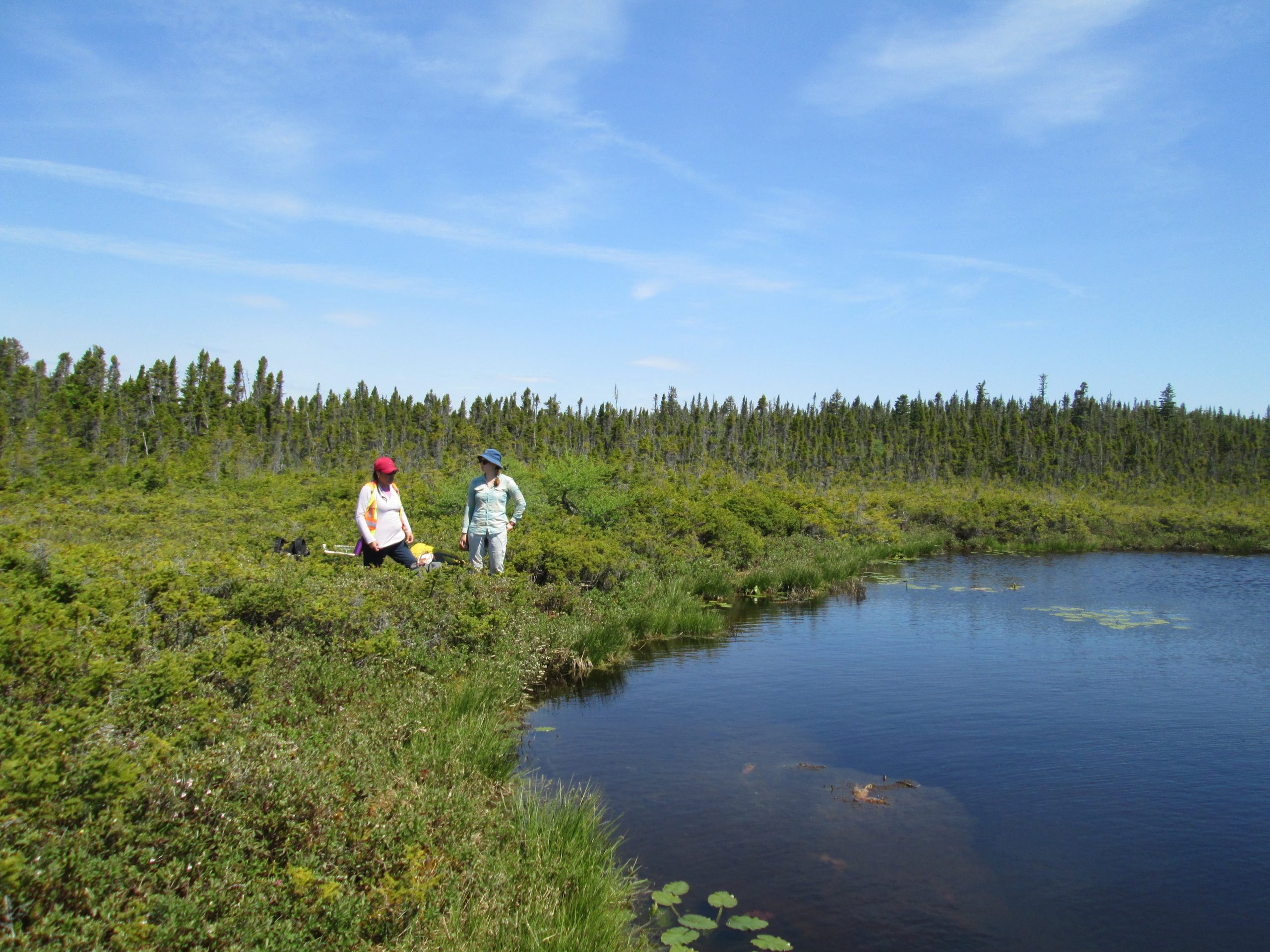
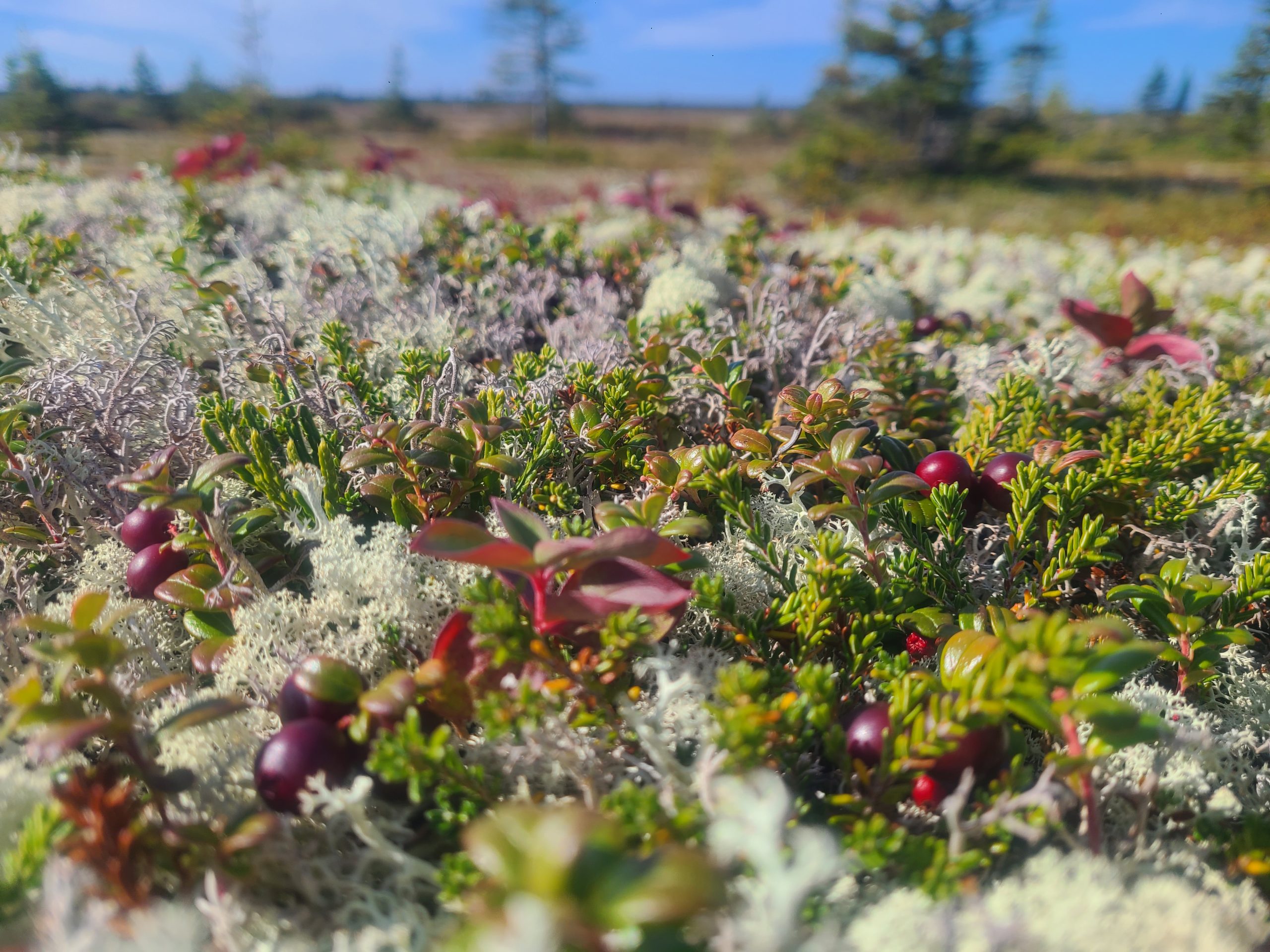
Since 2021, we have had the honor of accompanying the First Nations of Ekuanitshit, Nutashkuan, Unamen Shipu and Pakua Shipu in a berry monitoring project on Nitassinan, Innu ancestral land. This project is carried out in collaboration with McGill University and the CEDFOB (Centre d’expérimentation et de développement en forêt boréale). It aims to study the effects of climate change on blueberries, ligonberries (seeds) and chicoutai.

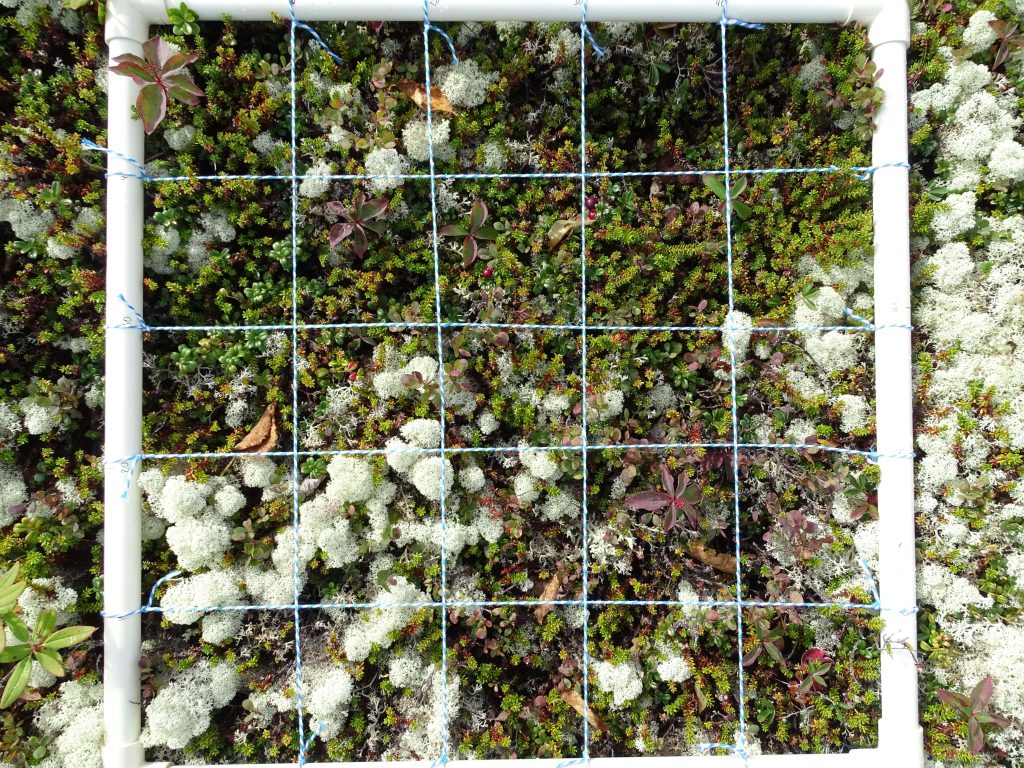
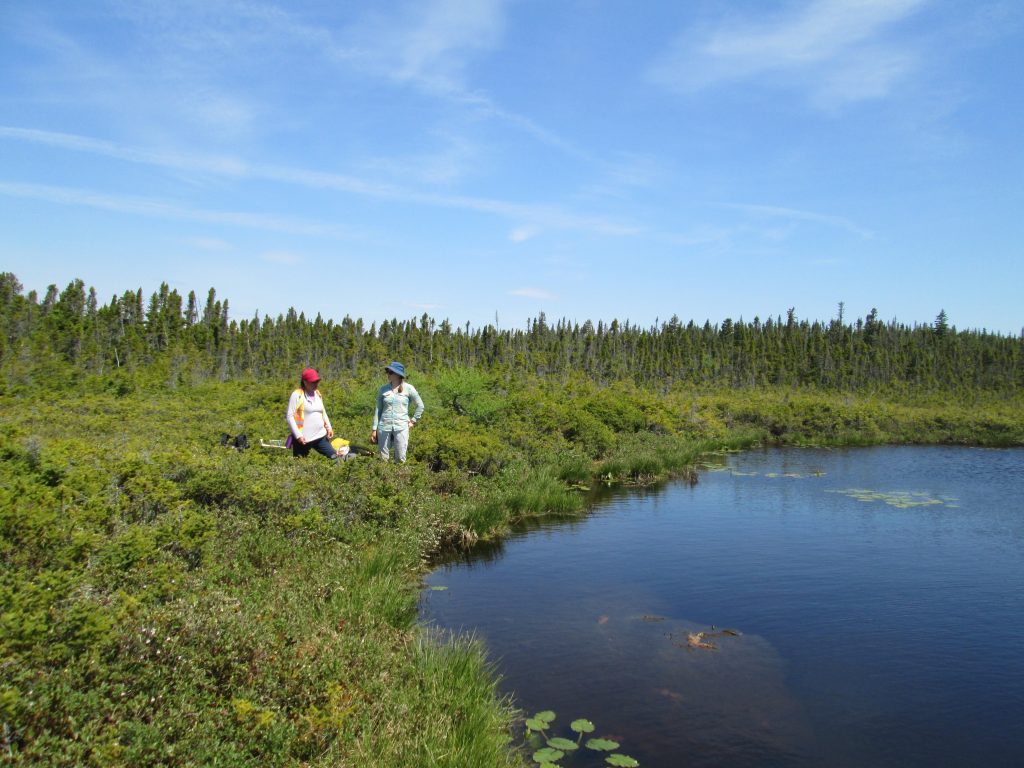
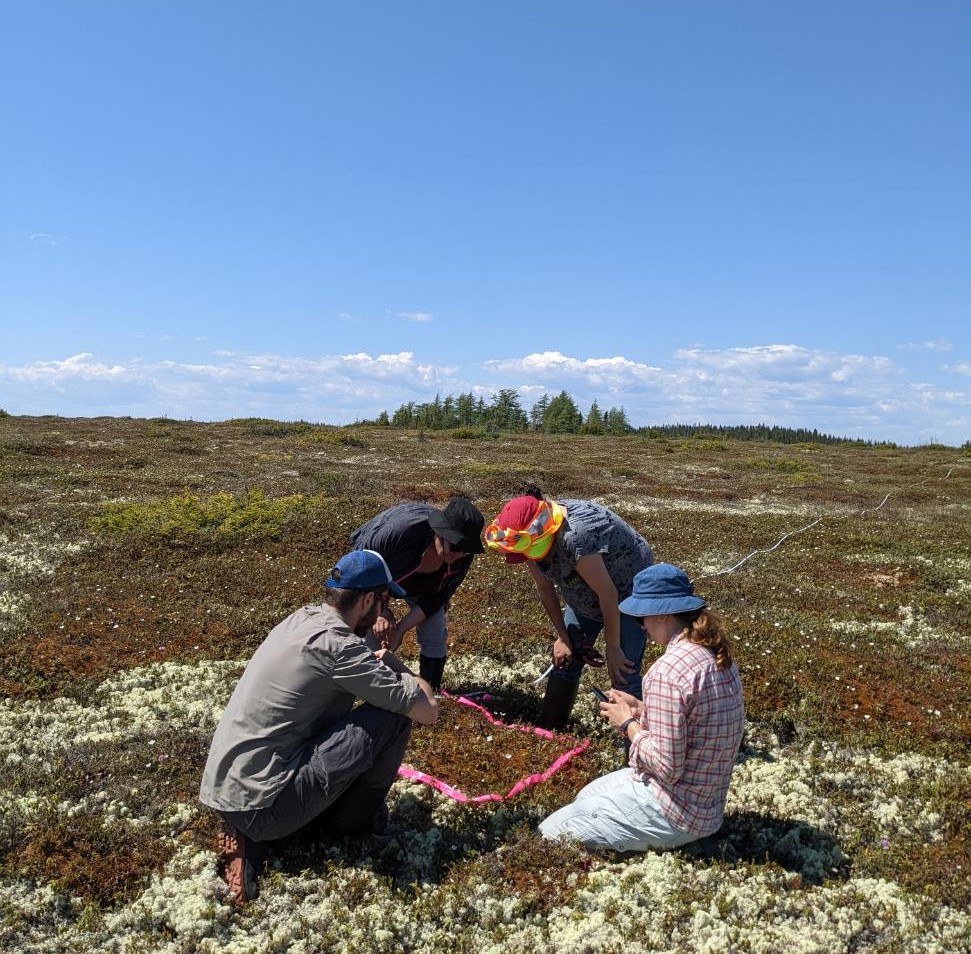
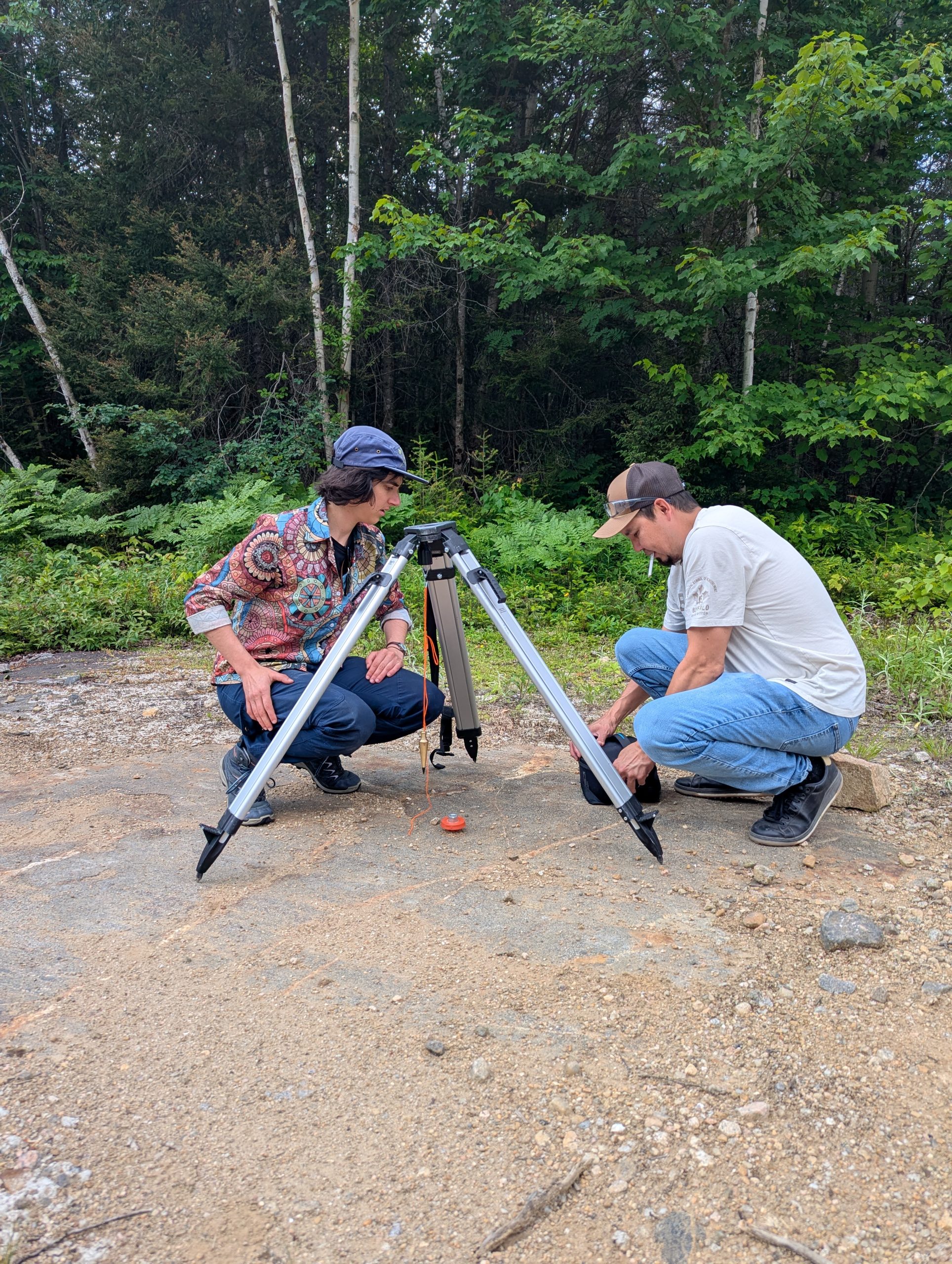
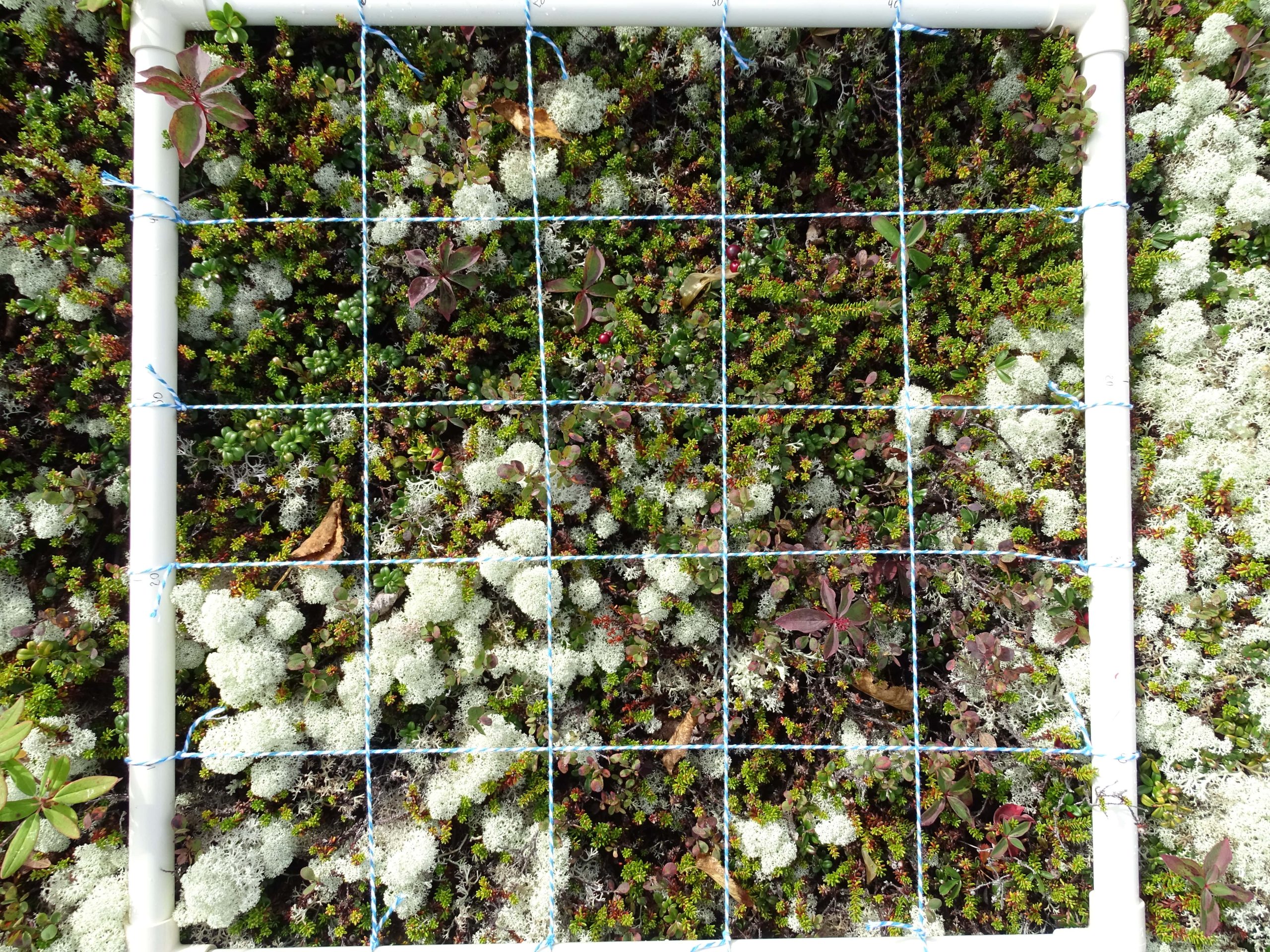
Each year, four Nitassinan agents and four students are hired to monitor the health, flowering and productivity of berry plants, as well as documenting the abundance of pollinating insects. Their work continues in winter with continuous ground temperature and snow height measurements. The aim of this data is to assess the effects of climate change on berry plants, and thus put in place solutions to ensure the continued harvesting of berries.

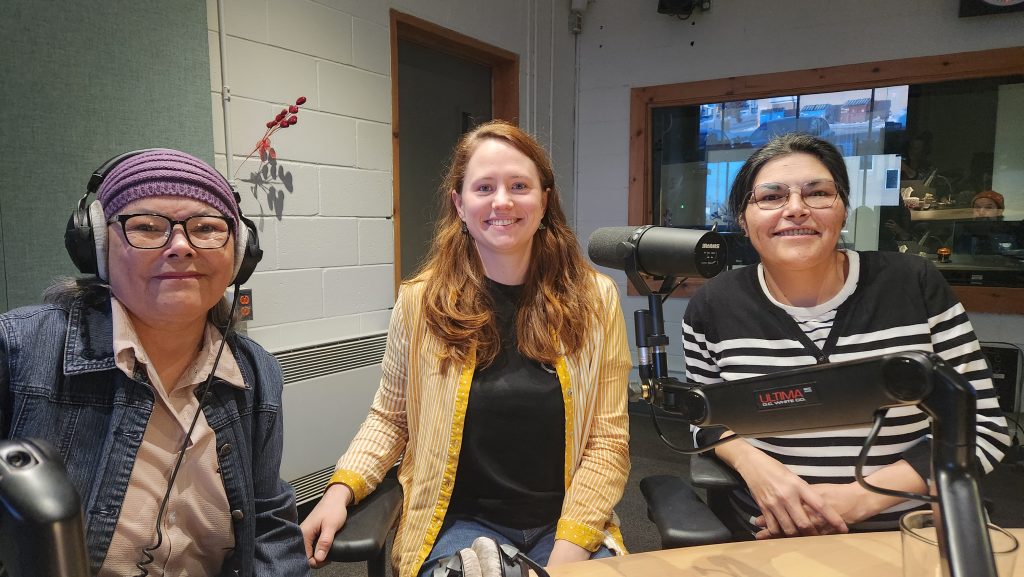
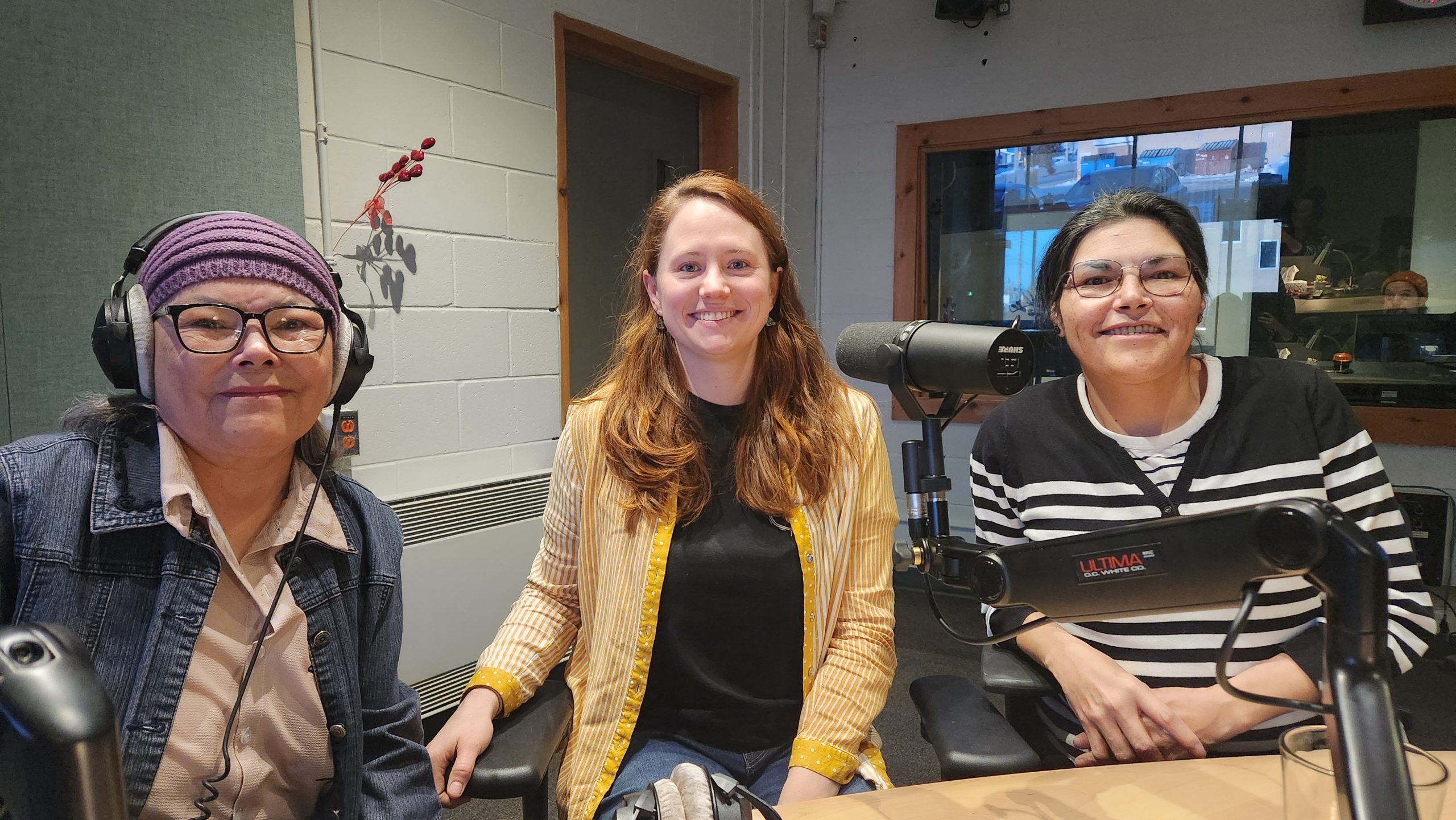
Sylvie BasileOrganizational Development Advisor for the Ekuanitshit Innu Council

Sylvie BasileOrganizational Development Advisor for the Ekuanitshit Innu Council

Coralie GautierClimate Change Project Manager at the Institute

Berry picking is part of Innu culture

Berry picking is a traditional activity that links Innu women to their land and culture. Concerned that the abundance and productivity of berry plants were declining, and that a traditional activity was being threatened, women from Ekuanitshit decided to take action and document the effects of climate change by combining traditional and scientific knowledge.

The First Nations involved are doing a colossal amount of work to document the effects of climate change.

4 Nitassinan agents

Thanks to the funding obtained, the participating First Nations hired each years since 2021 four Nitassinan agents and four students to carry out field monitoring and data collection.

1 Innu project manager

Thanks to the funding secured, it was possible to hire an Innu project manager right from the start of the project.

1 project committee

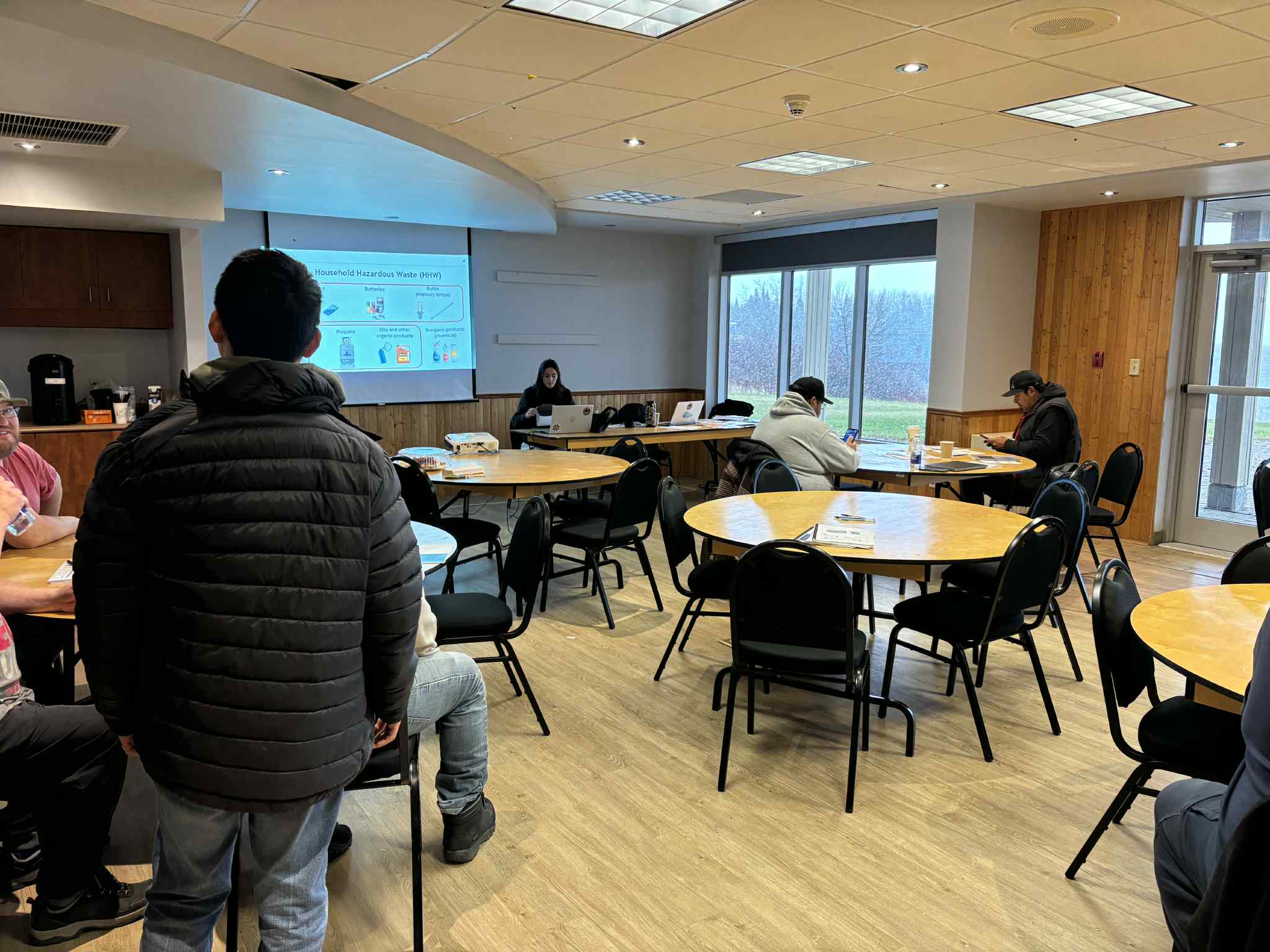
This committee, composed of one to two people from each community and representatives from partner organizations, sets the project’s direction and gathers information on the specific circumstances of each of the four communities involved.

1 community gathering

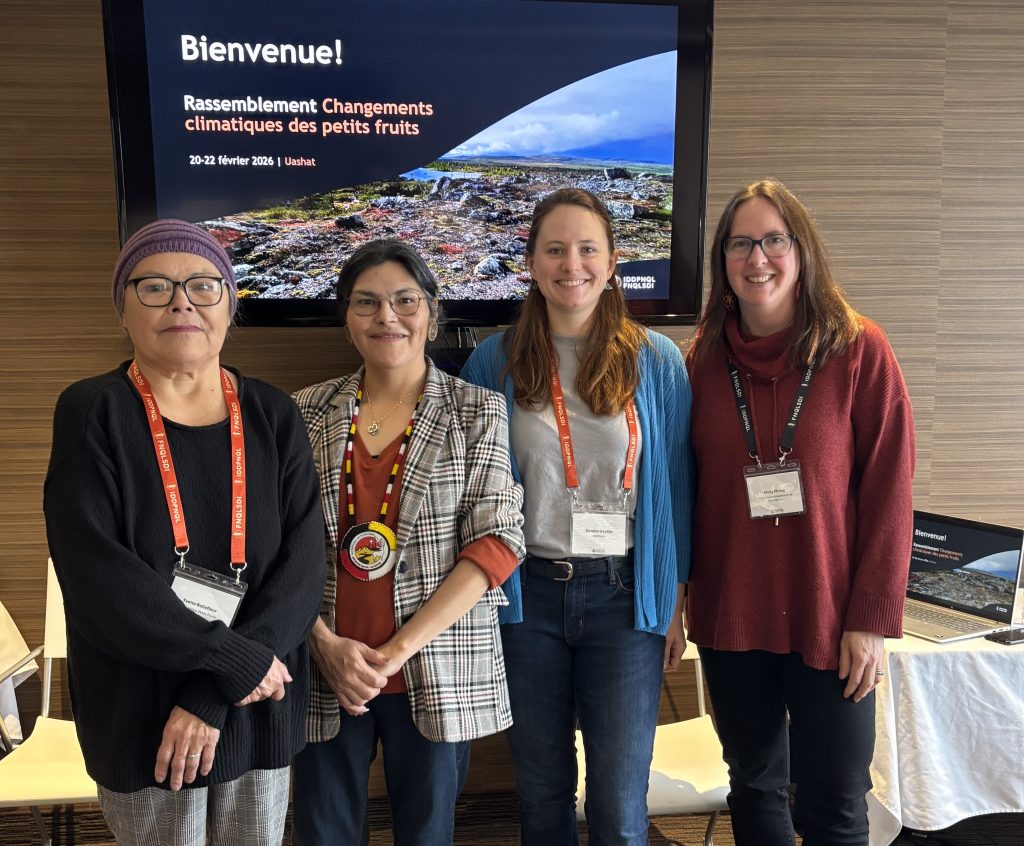
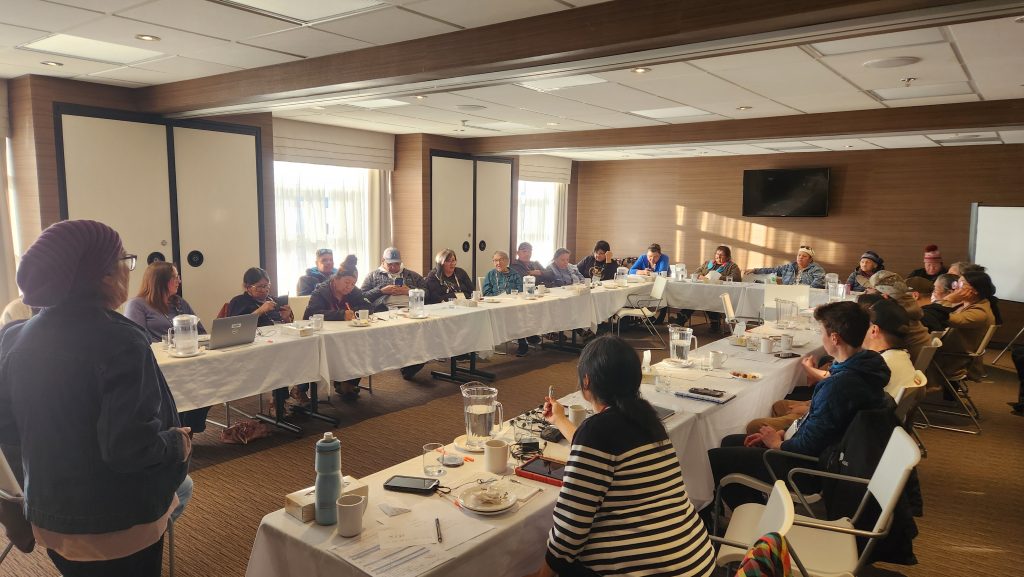
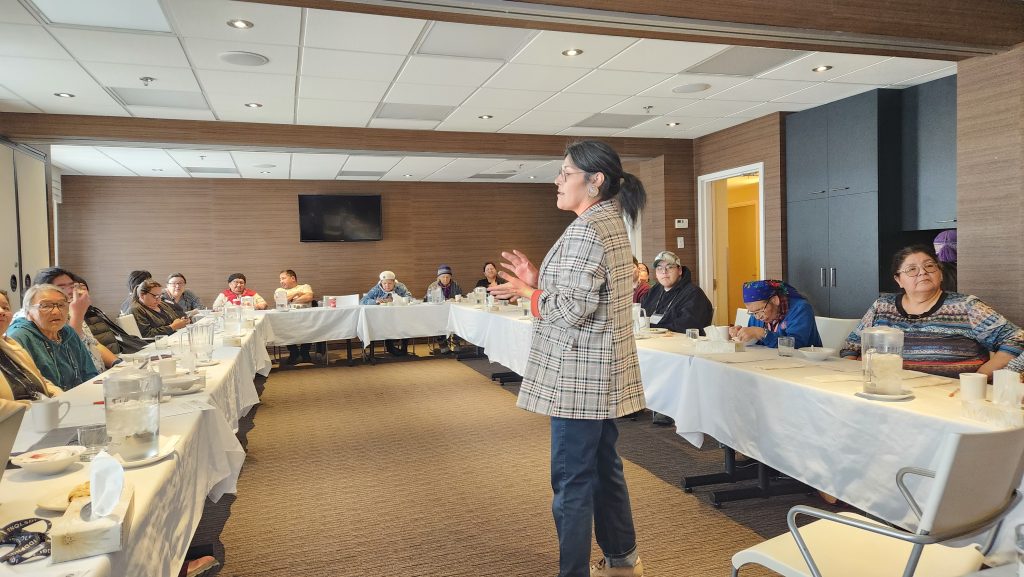
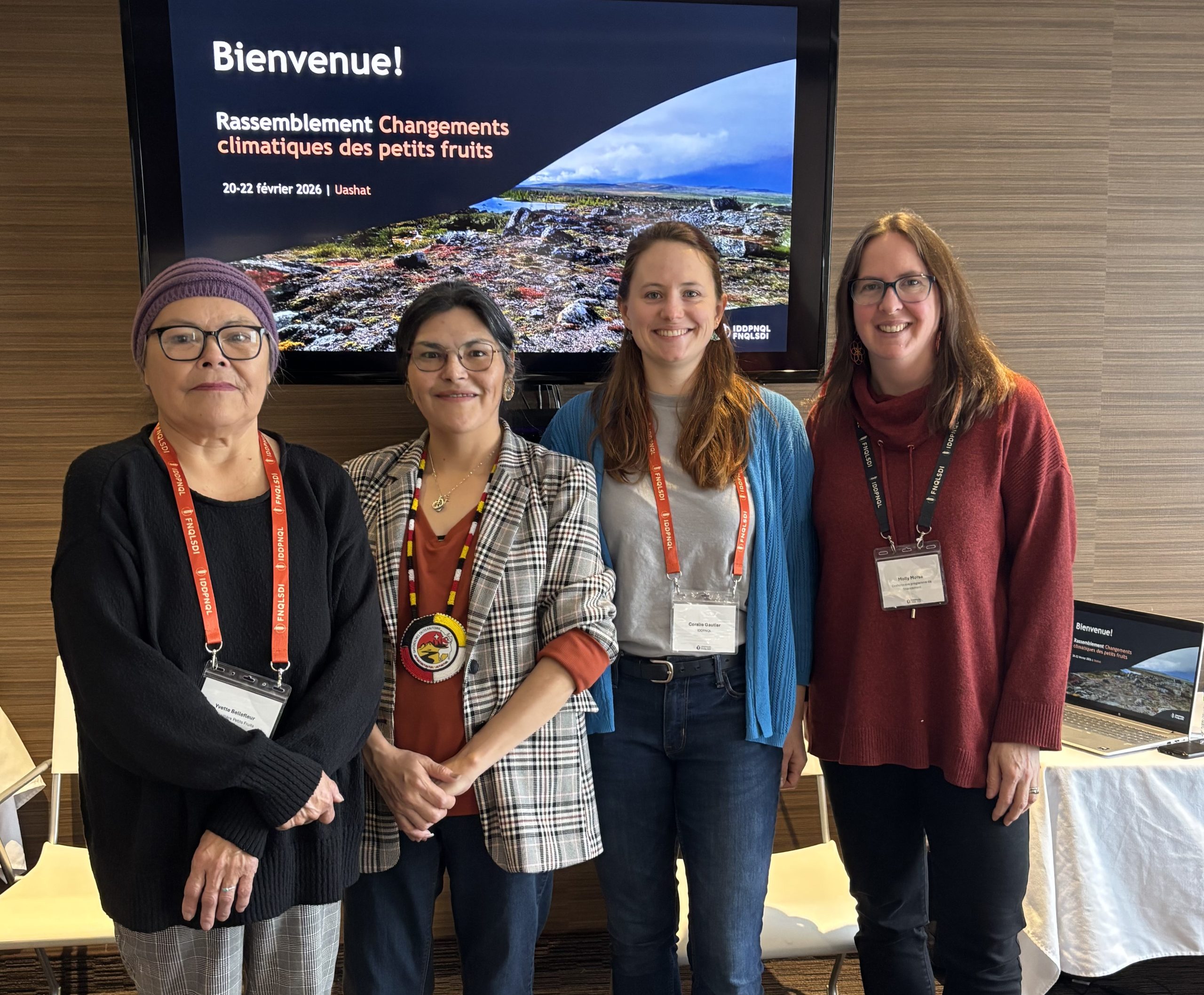
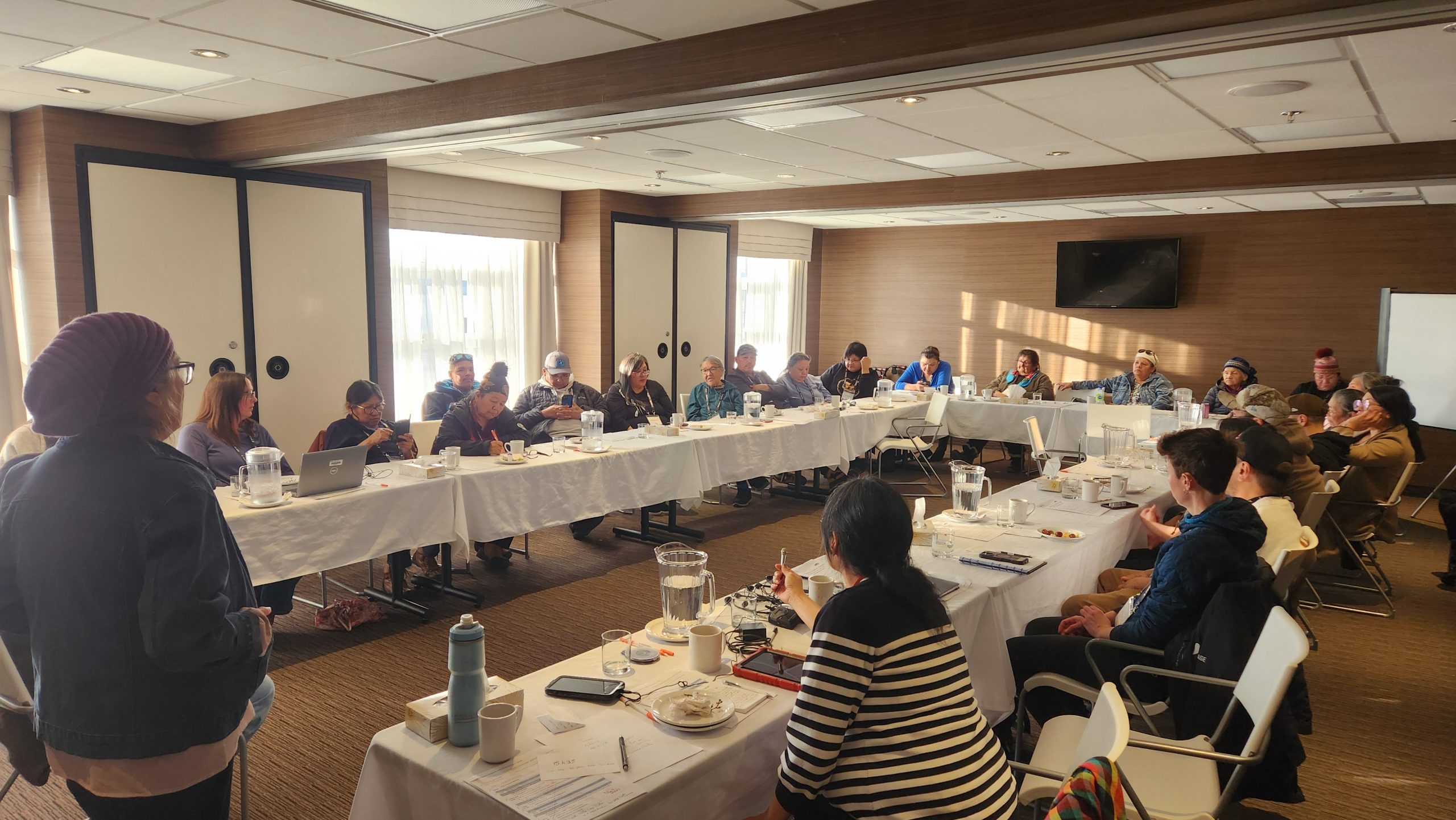
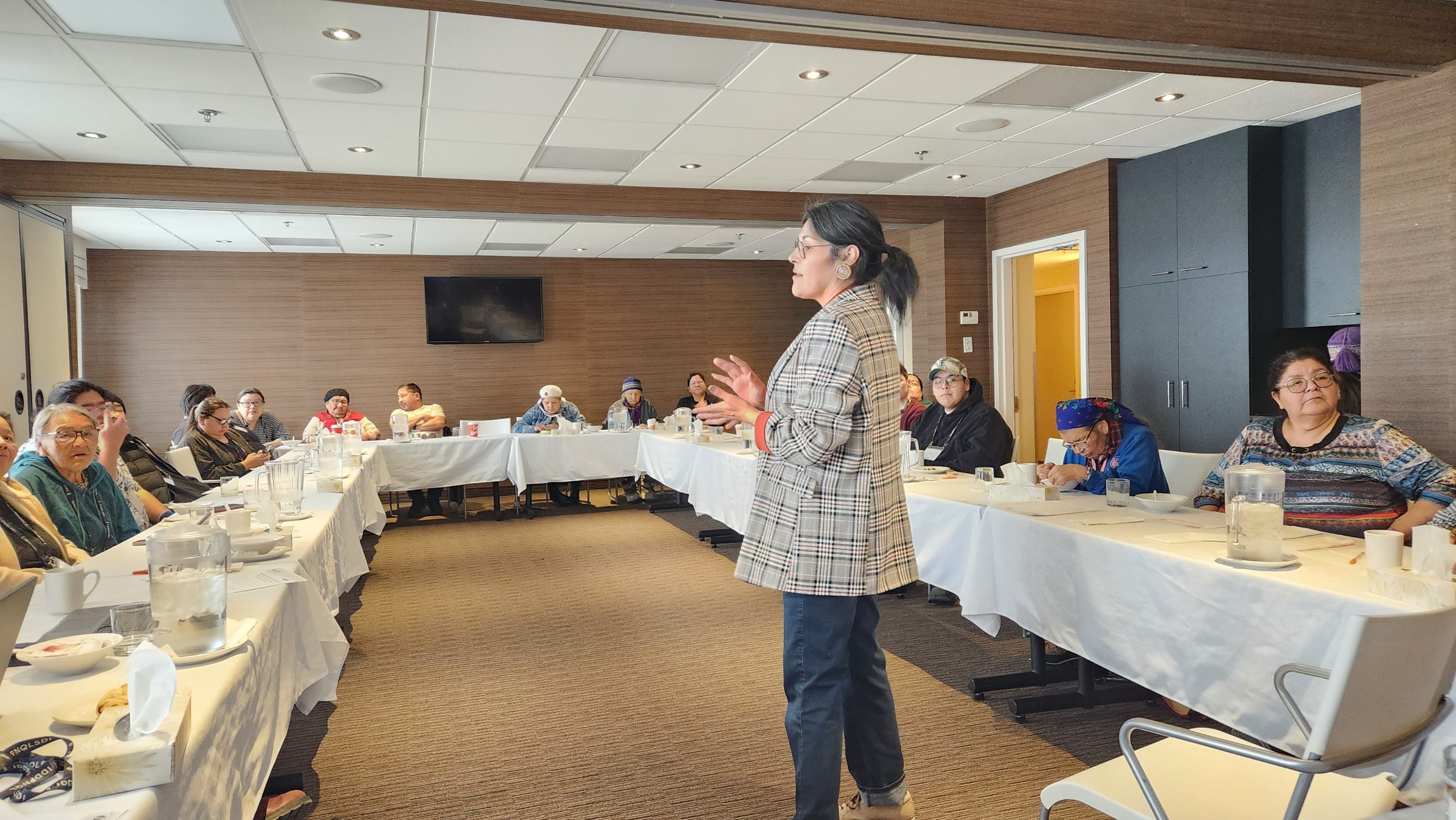
We supported Yvette Bellefleur and Kathleen Mark in organizing a gathering of First Nations communities, along with Elders and partners, in Uashat from February 20 to 22, 2026.

1,600 field trips

Since the start of the project, Nitassinan agents have made 1,600 field trips to collect the data needed to analyze the impact of climate change on berries.

945 snow measurements

The amount of snow received during the winter affects the productivity of berry plants by acting as insulation. The more or less rapid melting of snow in spring also plays an important role.

20 to 40 temperature sensors per year
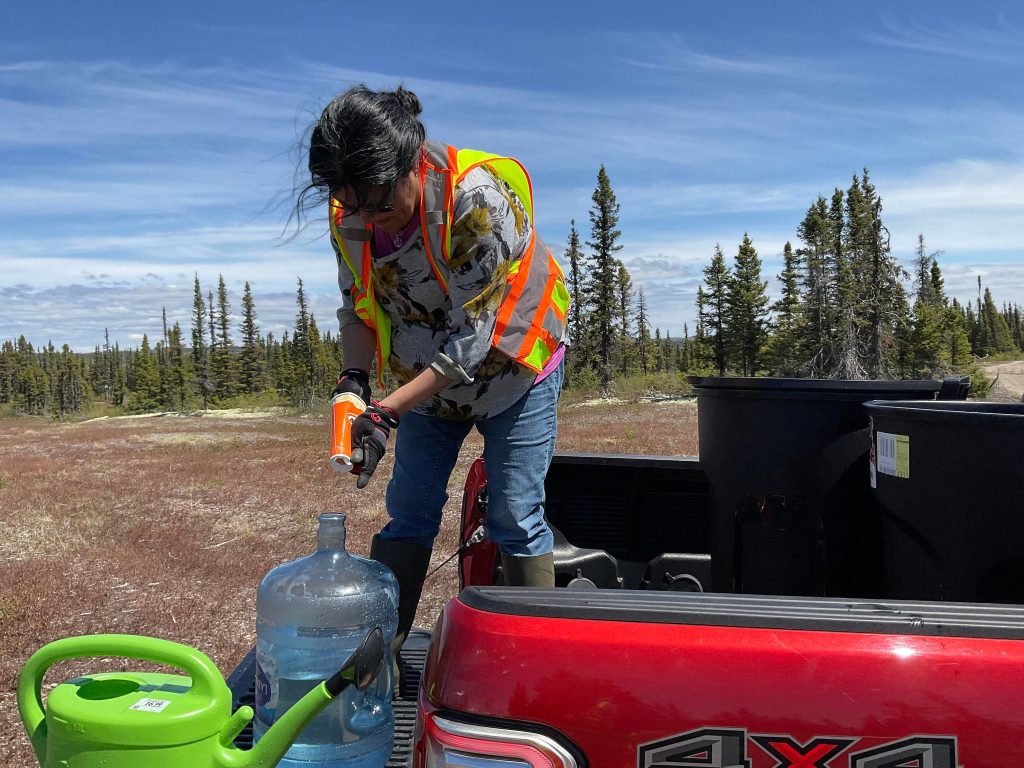
Early snowmelt in spring, combined with spring frosts, can be brutal for berries, which are hypersensitive to temperature drops. In 2021, we will have installed 40 sensors, then 37 in 2022, 30 in 2023, 20 in 2024 and 20 in 2025.

20 weather stations

Since spring 2024, 20 weather stations have been installed with Nitassinan agents. These stations, spread across the 4 communities, enable continuous measurements to be taken, summer and winter alike, of air and soil temperature and humidity, and light levels, important indicators for the health of the berries.