Pineshish-Piyaasiis: Monitoring boreal birds


A joint project with the Innu and Ilnu First Nations of Mashteuiatsh, Essipit, Pessamit, Uashat mak Mani-Utenam, Matimekush-Lac John, Ekuanitshit, Nutashkuan, Unamen Shipu and Pakua Shipu, and the Naskapi First Nation of Kawawachikamach
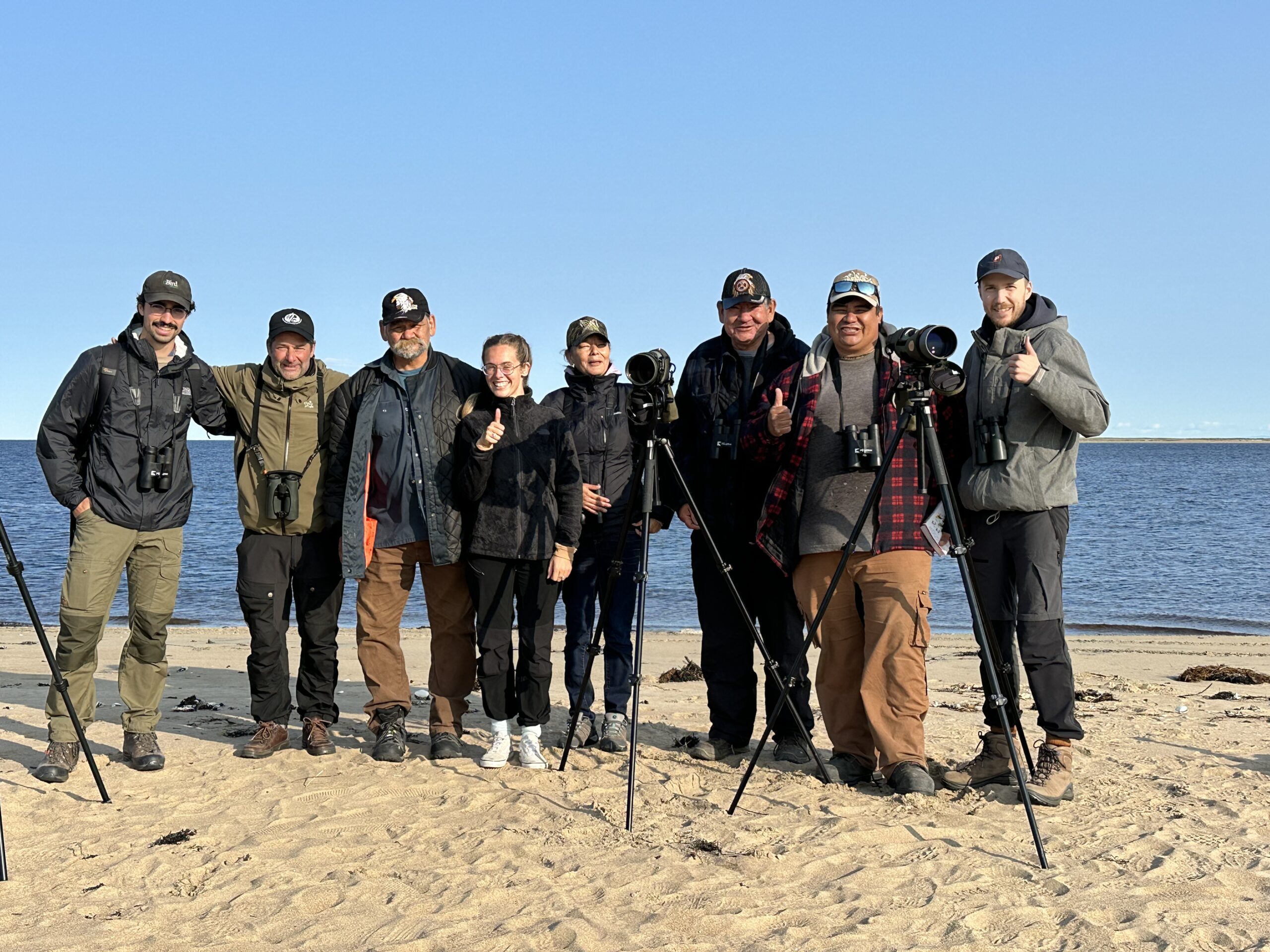
Since 2021, we’ve been working with all the Innu and Naskapi First Nations in Quebec, as well as with the Canadian Wildlife Service, to help track birds of the boreal forest. Our aim with this project is to provide First Nations with the tools they need to play an active role in boreal bird conservation by monitoring the birds on their lands.
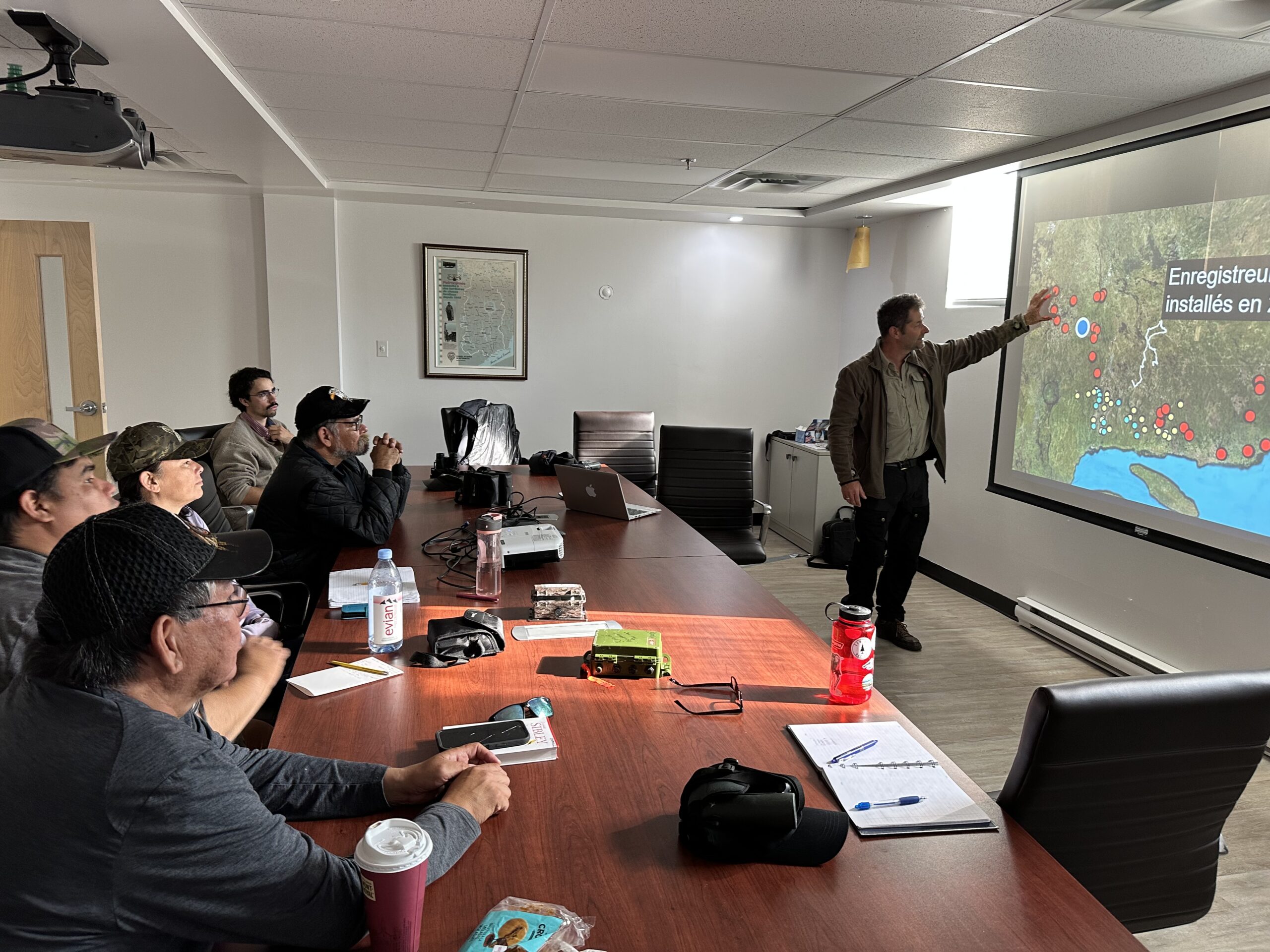
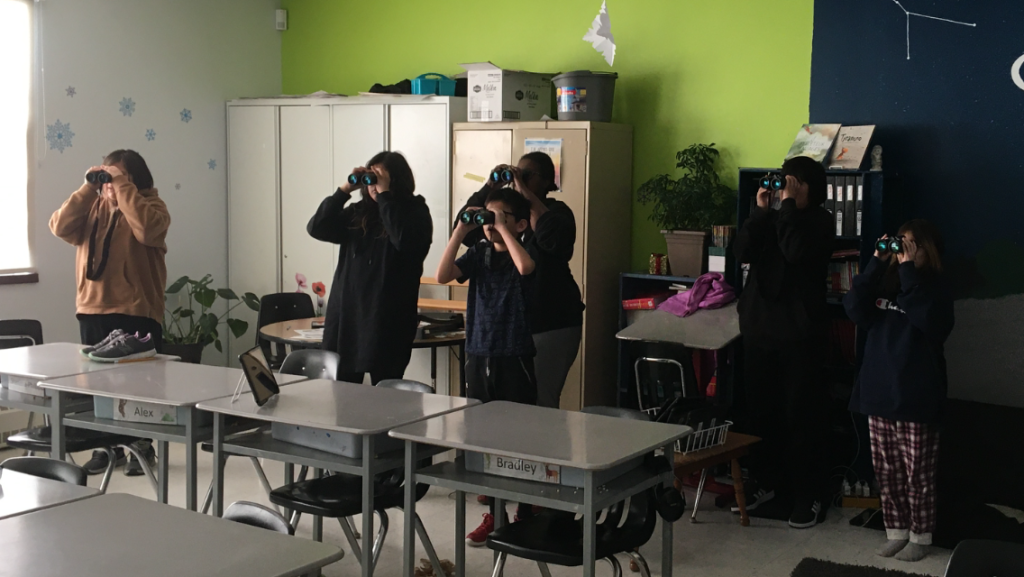
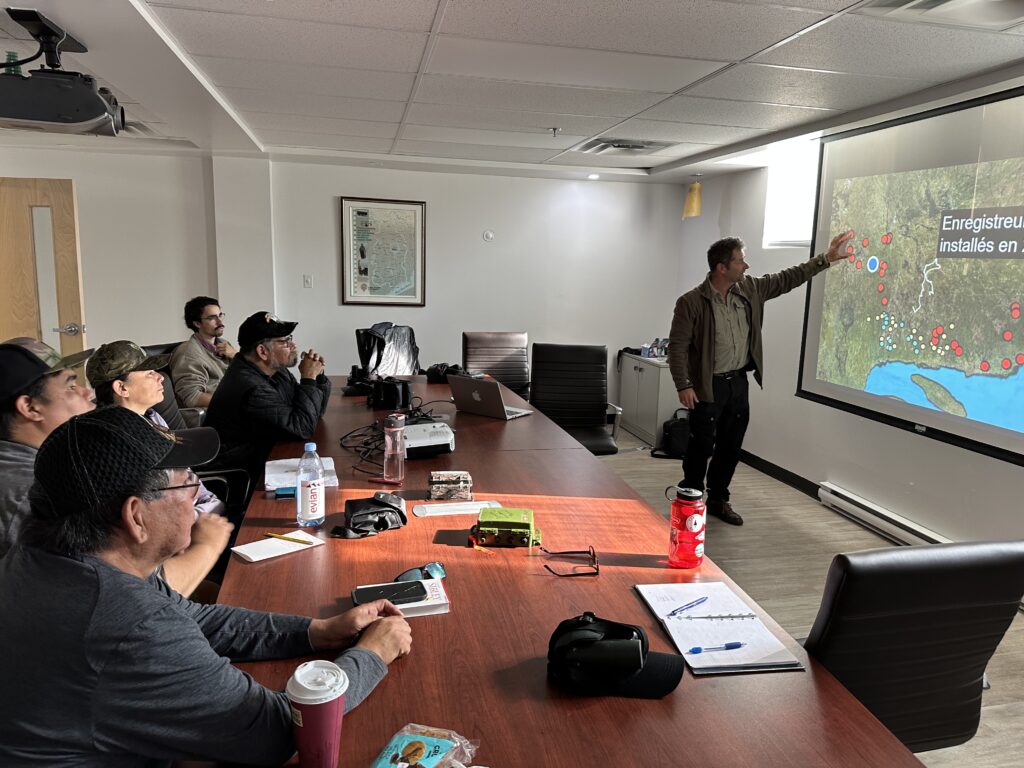
Working with the First Nations involved, we have already inventoried 630 sites using automated recorders, and 40 sites with ornithologists listening in real time. We have also run bird workshops in eight schools, reaching 450 students of all ages from kindergarten to highschool, and delivered presentations, webinars and training to First Nations partners.




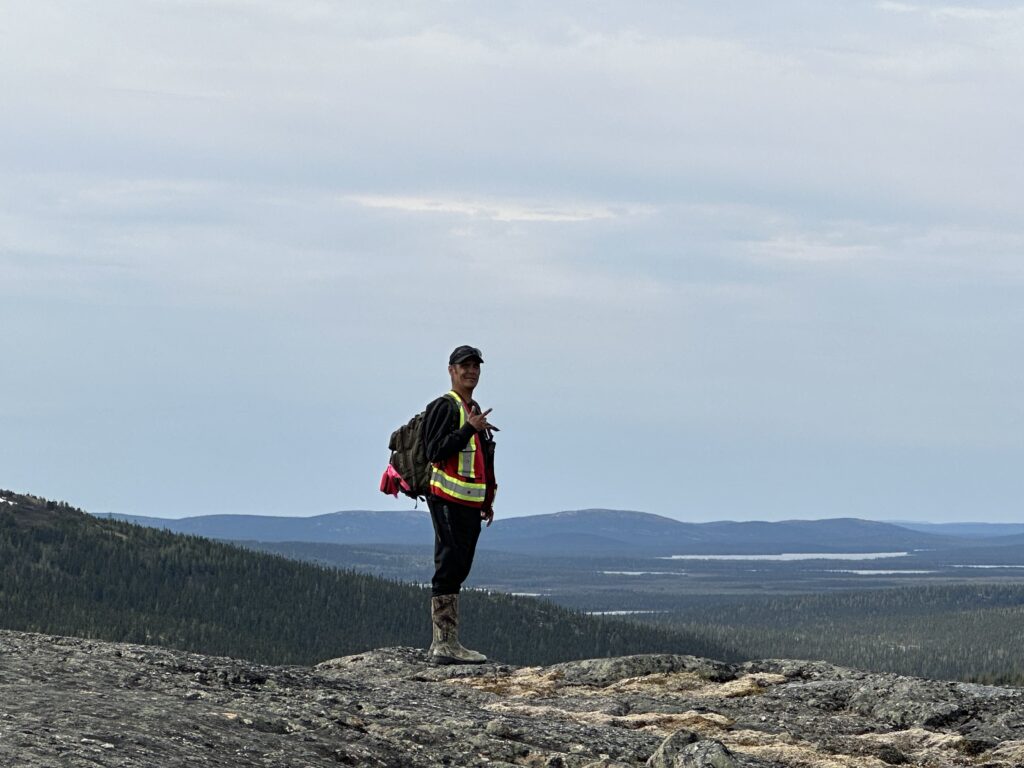


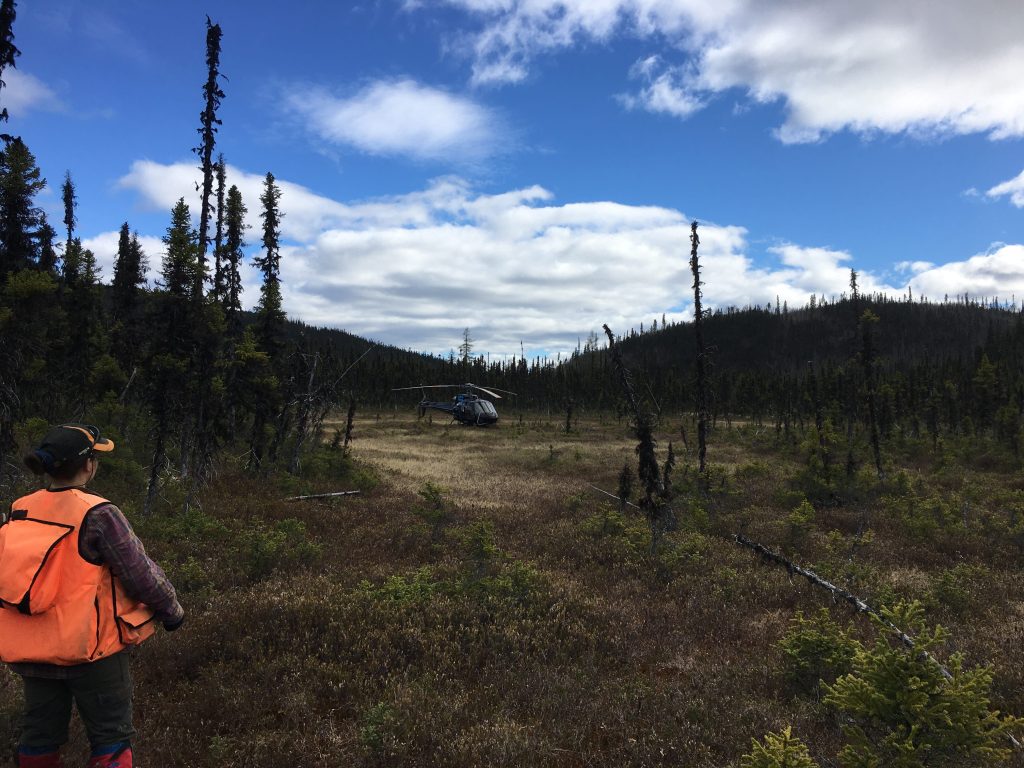
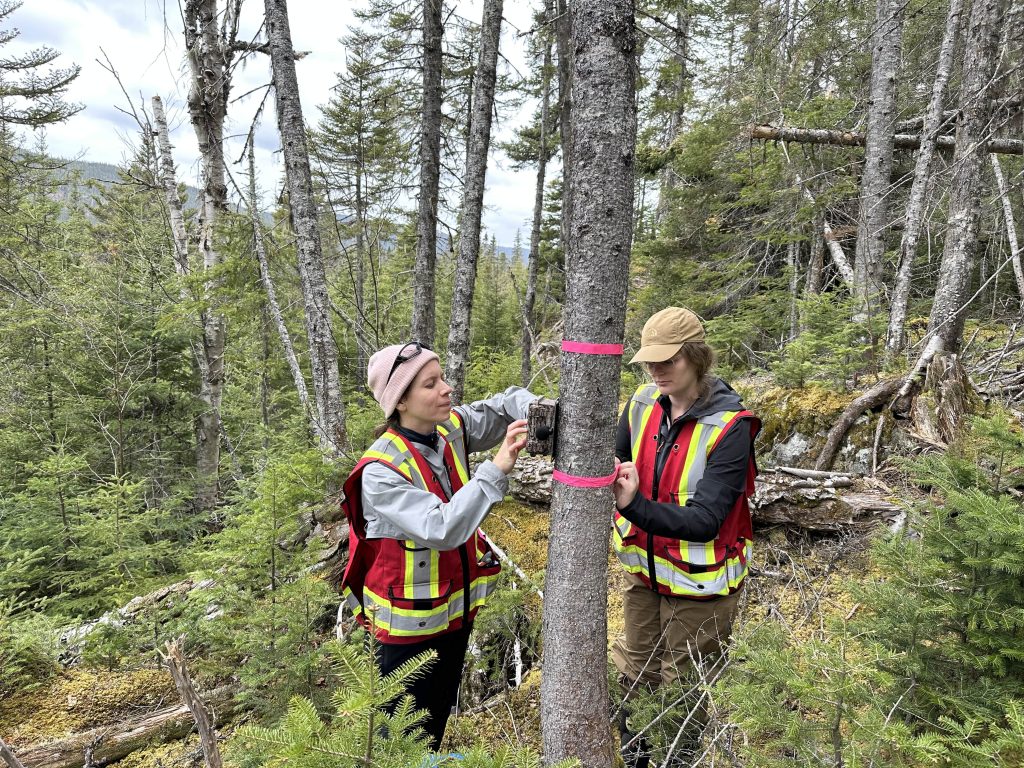


What are the objectives of the boreal bird monitoring program?
The program aims to acquire knowledge about the distribution and abundance of birds in the boreal forest. It makes it possible to detect changes in populations, identify critical habitats, and target areas where species at risk are found. This data is essential for guiding conservation and natural environment management actions.
How?
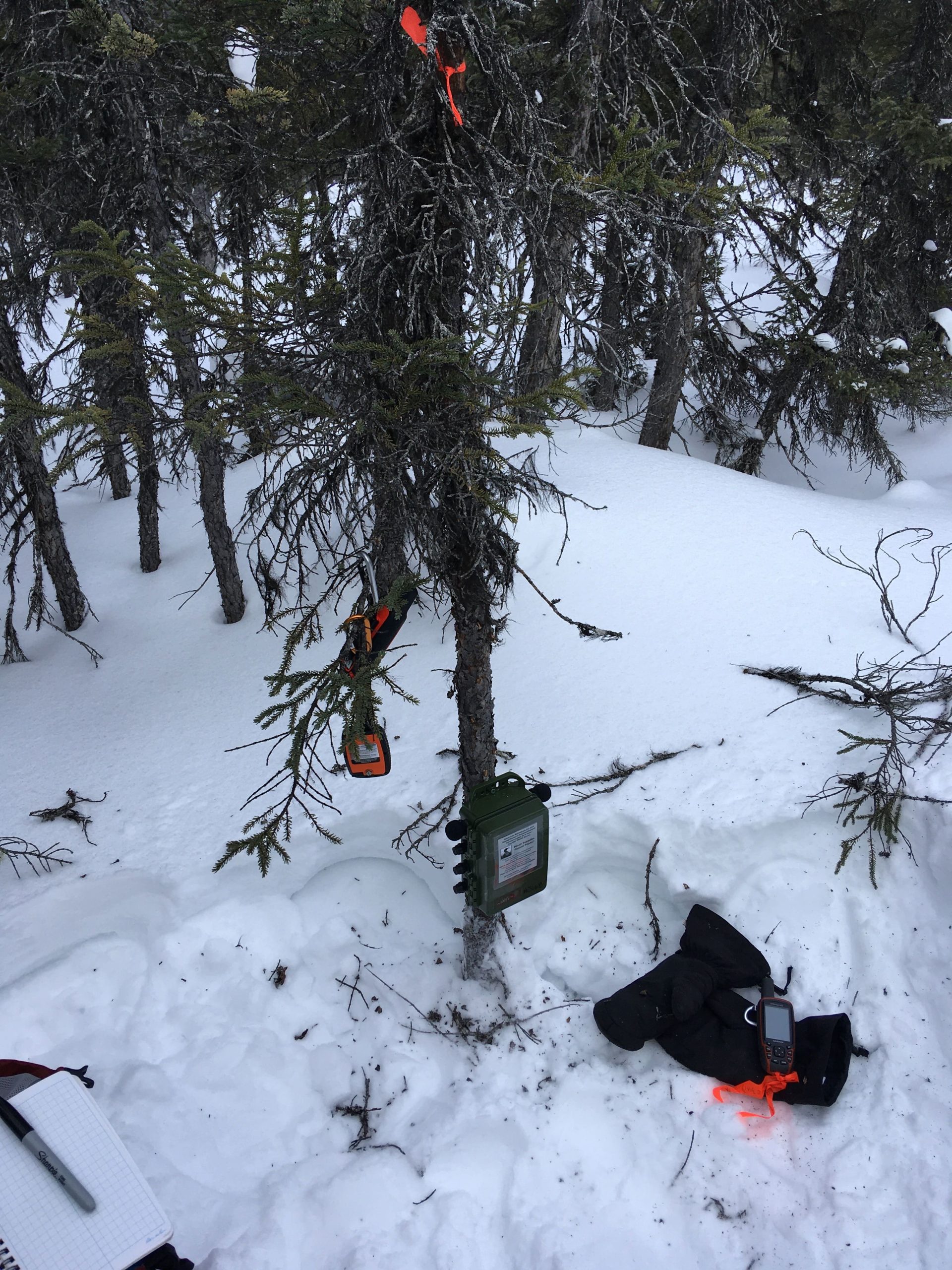
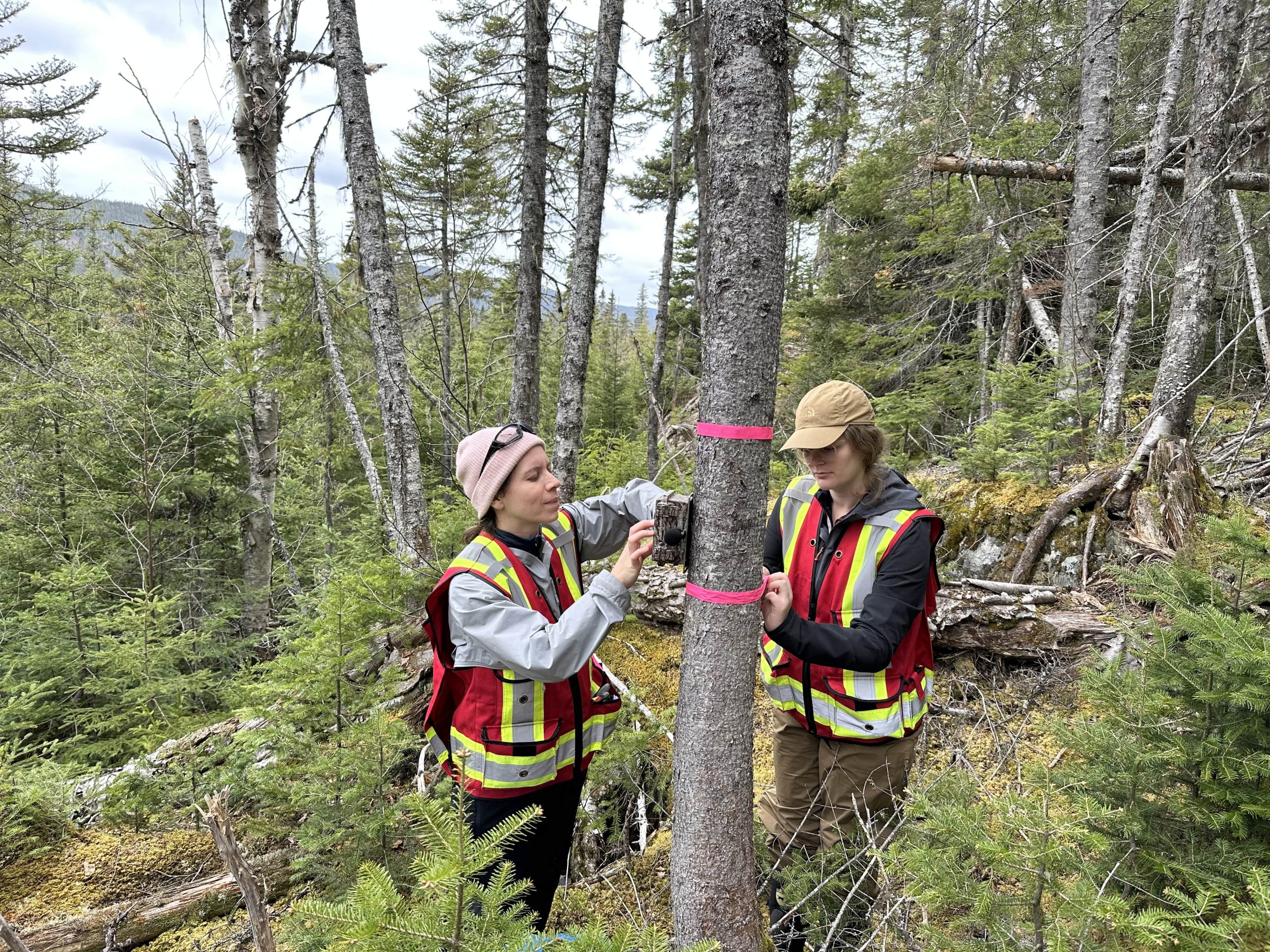
Monitoring is based on the deployment of high-quality autonomous acoustic recorders, strategically positioned according to the seasonal cycle and periods of activity of the target species. These devices collect data over several days, covering the entire nesting period. The recordings are then analyzed by specialized ornithologists, enabling accurate species identification. The entire process, integrated into the Wildtrax platform, ensures reliable assessment of bird communities.
Why is this important?
With the Pineshish project, we can monitor the status of boreal bird populations and obtain reliable baseline data. This data is used to assess trends in boreal bird populations and changes in their environment, while identifying key habitats that need to be preserved to ensure their long-term conservation.
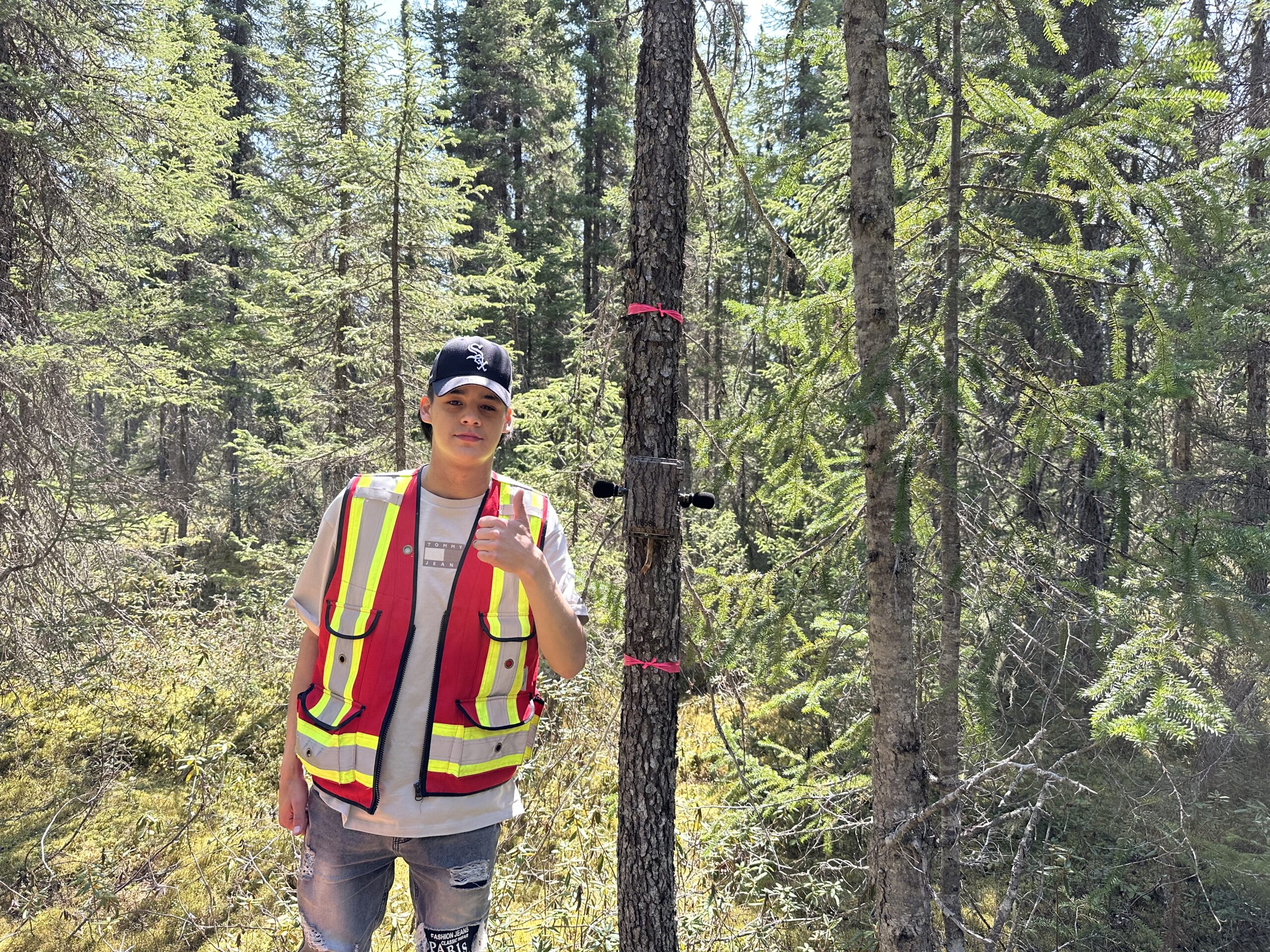
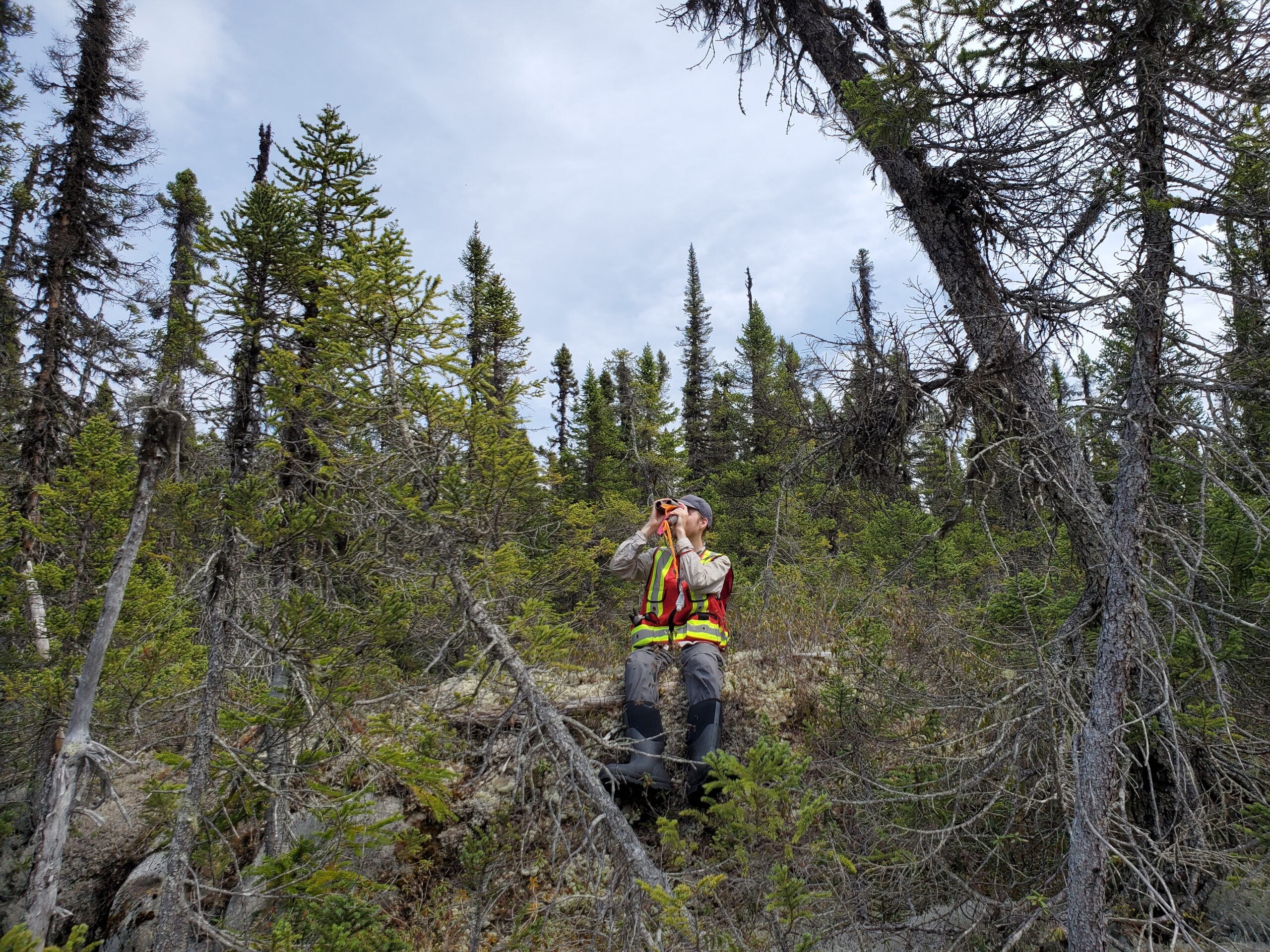
Deploying acoustic recorders on the land to count birds by their calls

2020

2021

2022
2023
2024
2025
Indigenous expertise
As part of the Pineshish-Piyaasiis project, scientific expertise is enriched and complemented by the Indigenous knowledge of partner communities. This puts into practice the Two Eyes approach, which combines scientific and traditional knowledge for a more complete understanding of boreal ecosystems.
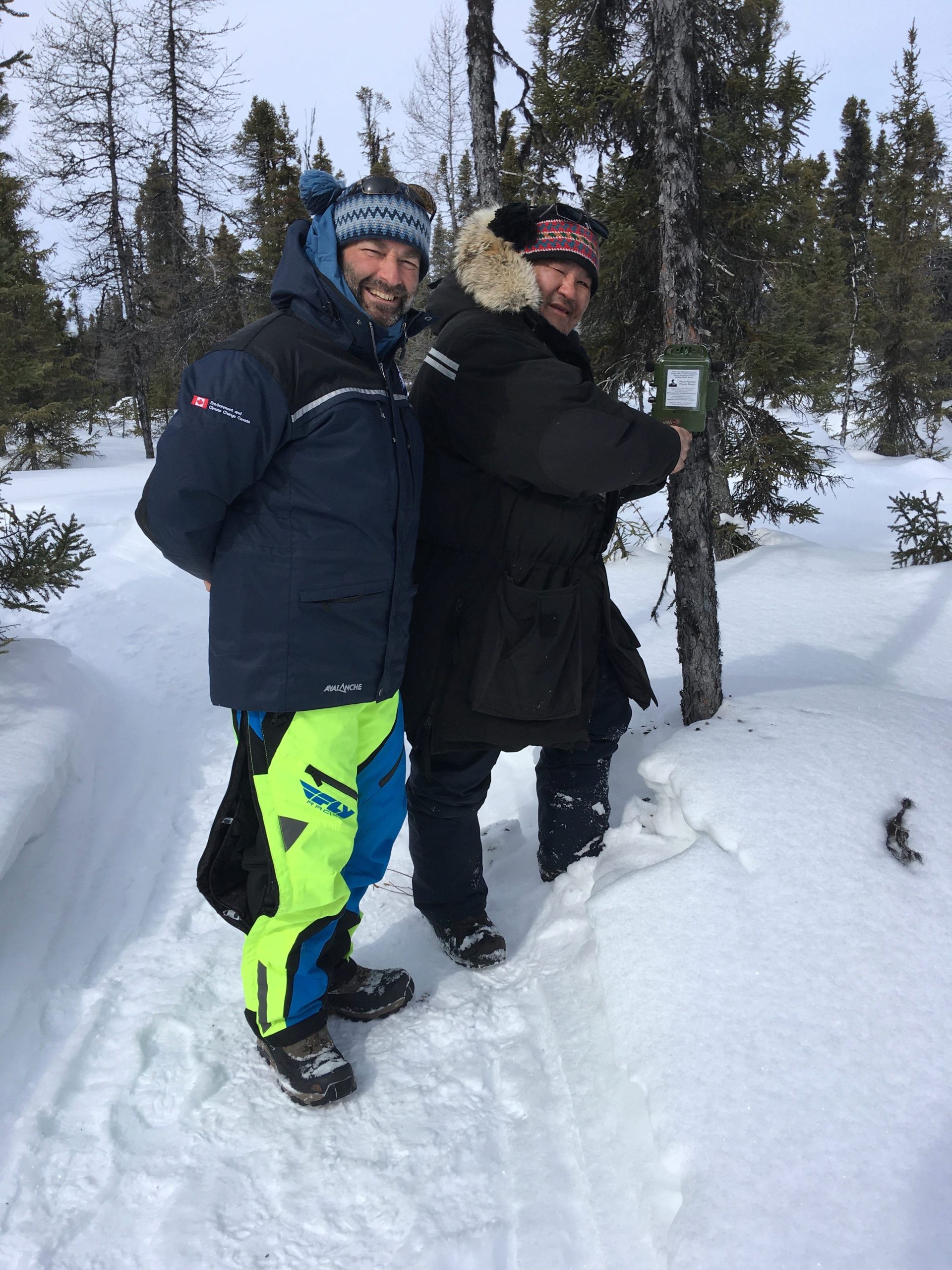
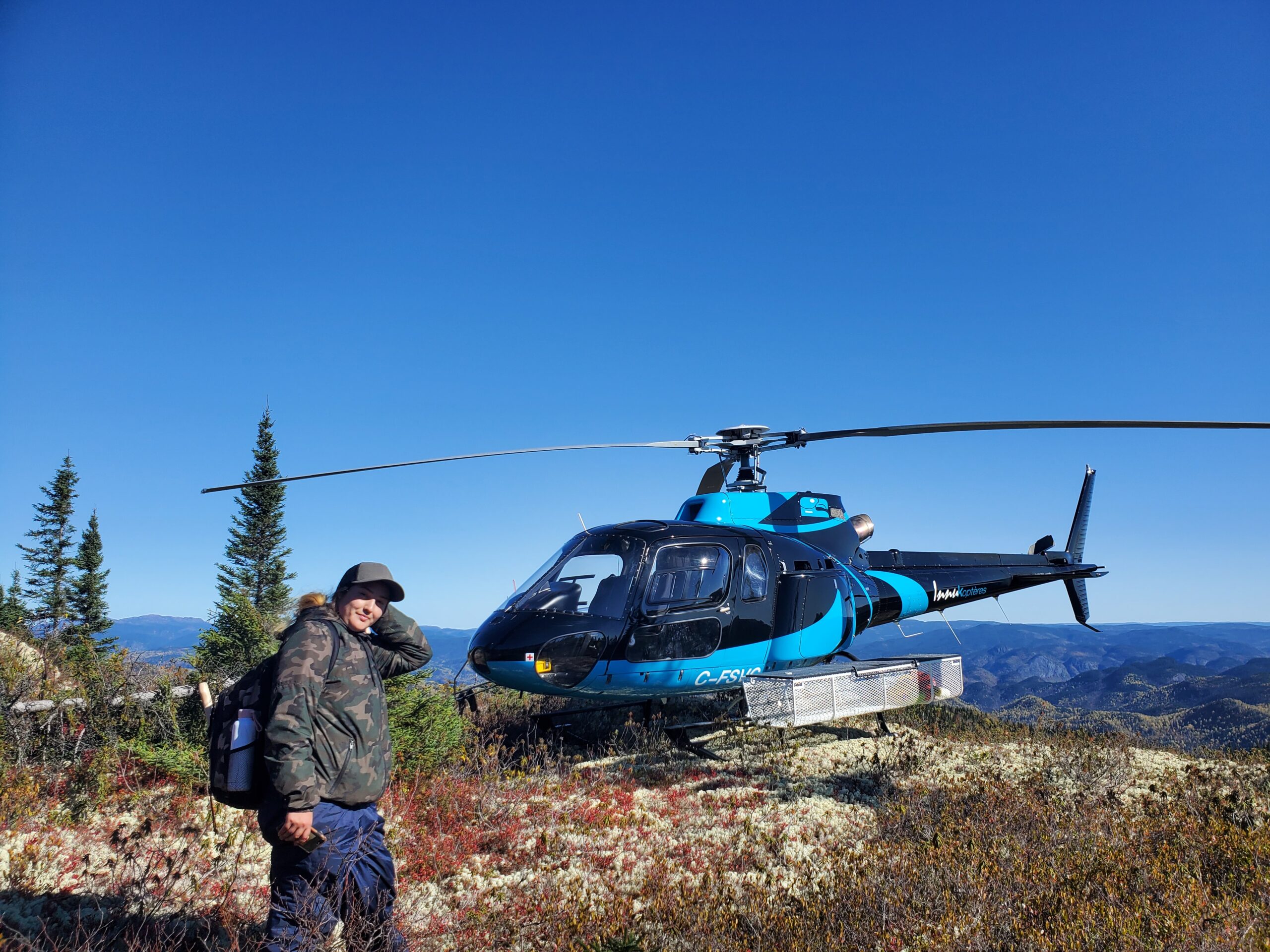
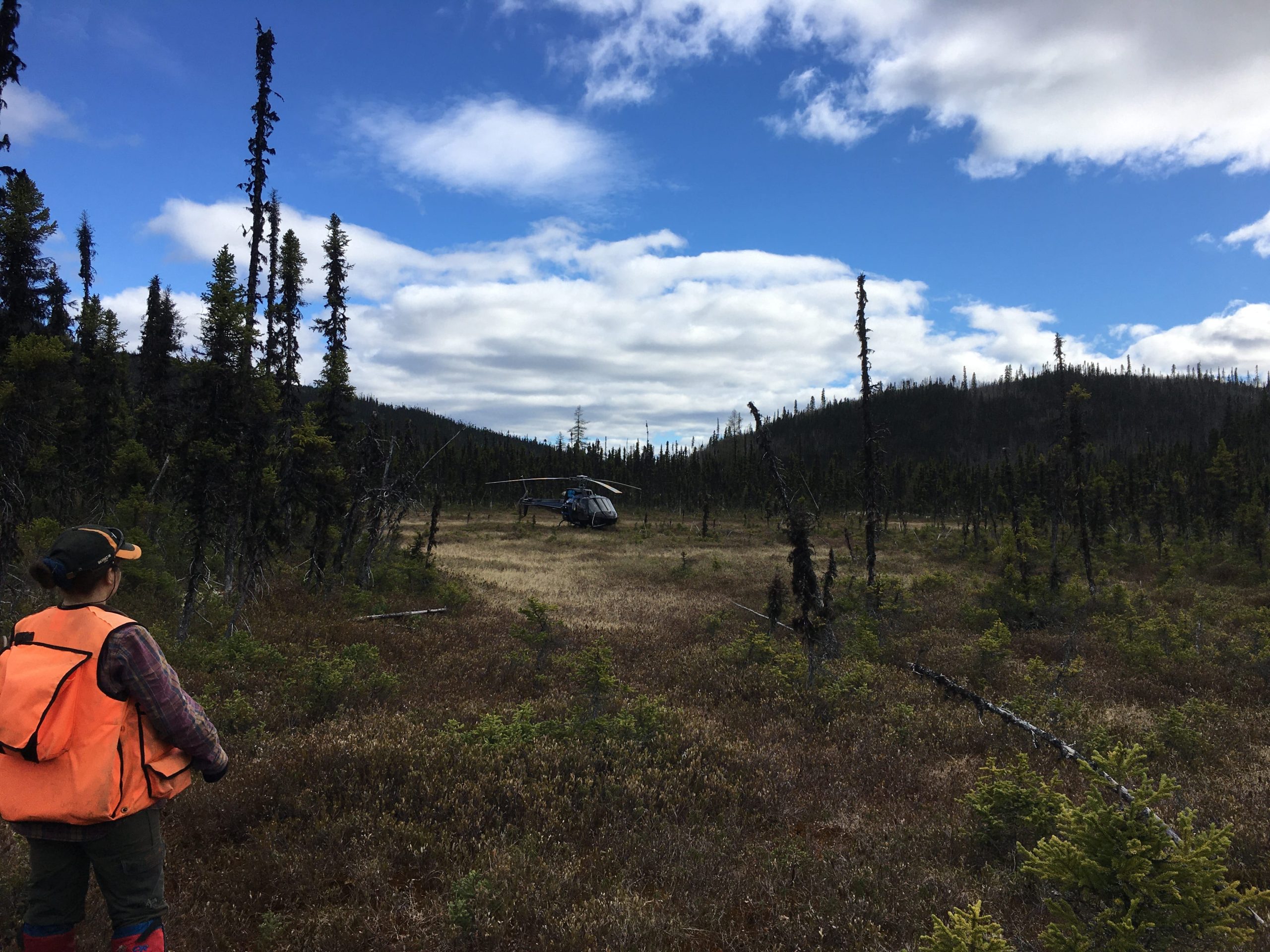
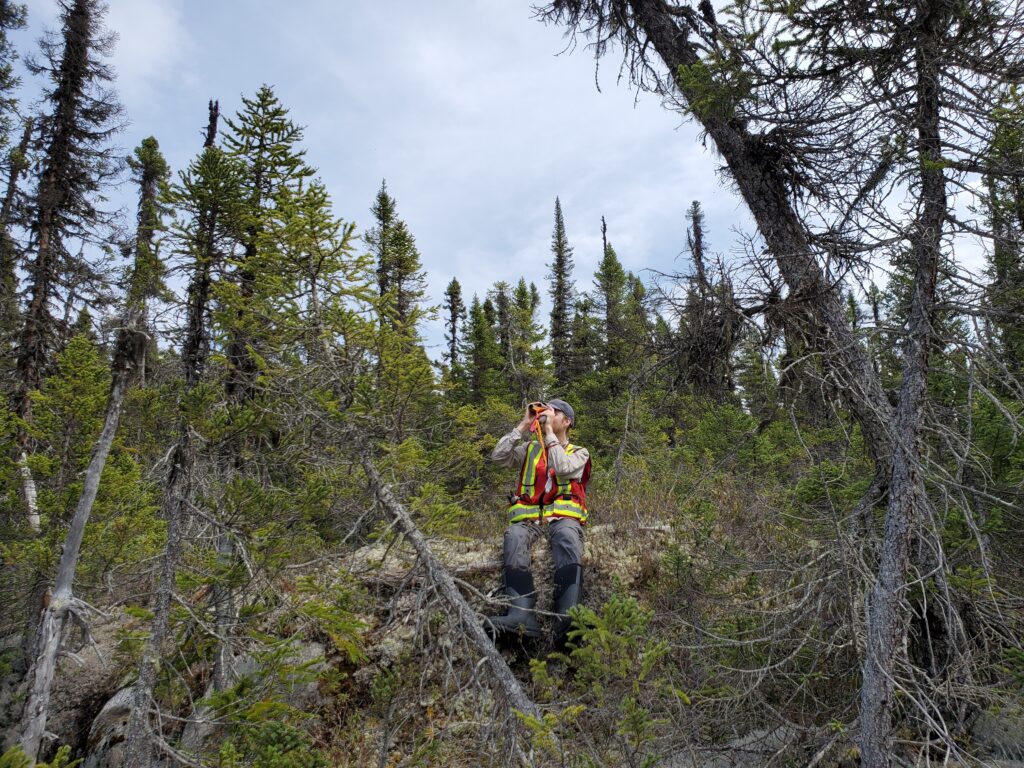
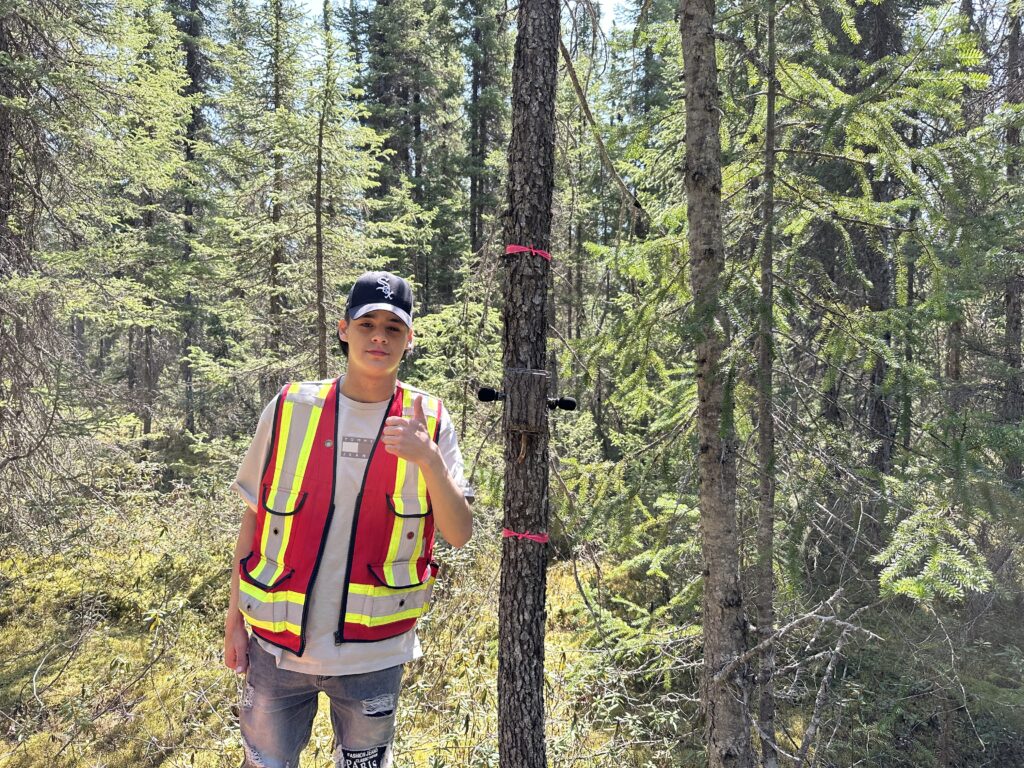
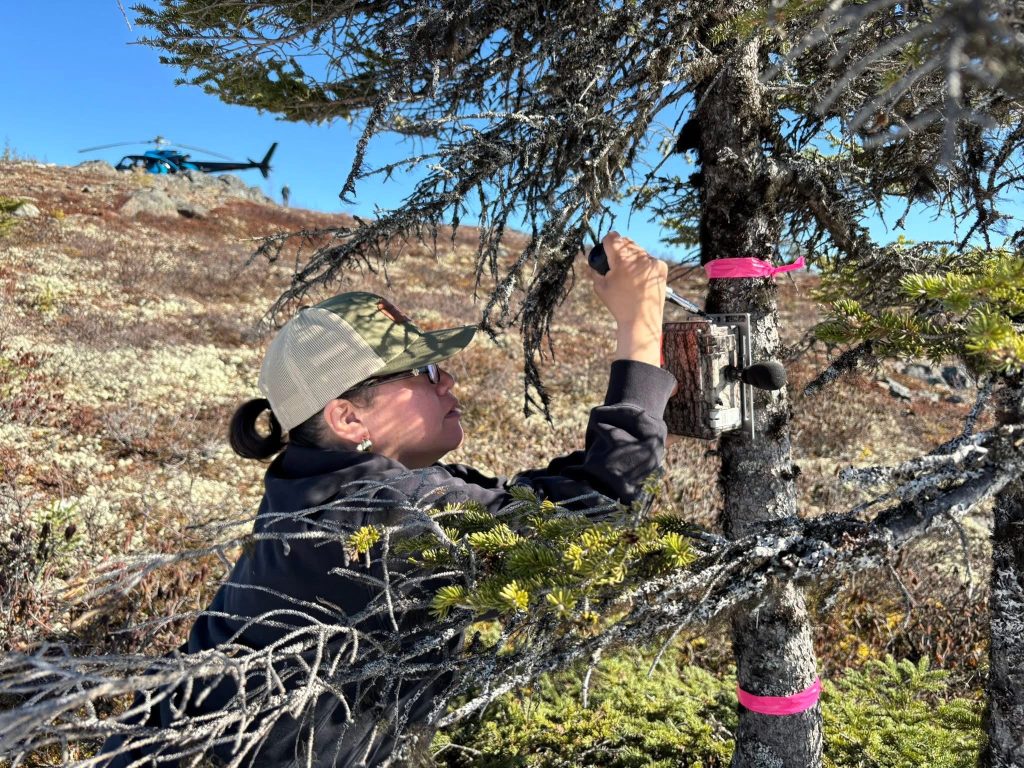
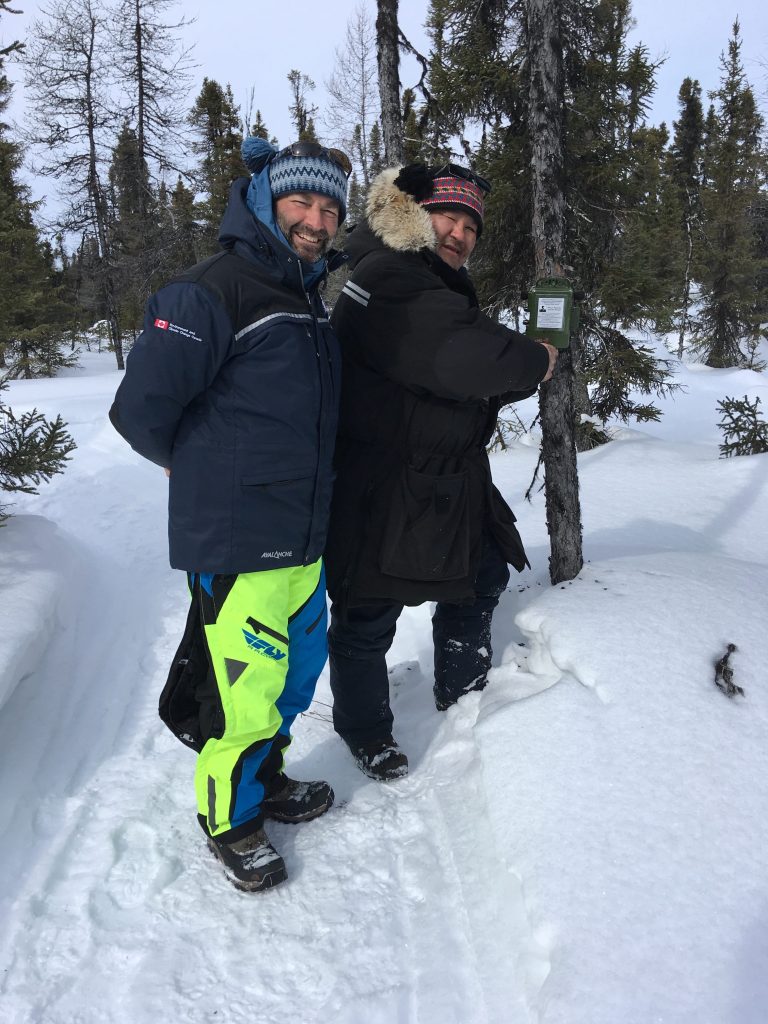
Once inventory sites have been identified, installing automated recorders in areas that are often far from roads requires the presence of guides and local experts from the communities. Their in-depth knowledge of Nitassinan facilitates travel and ensures the safety of teams in the field.
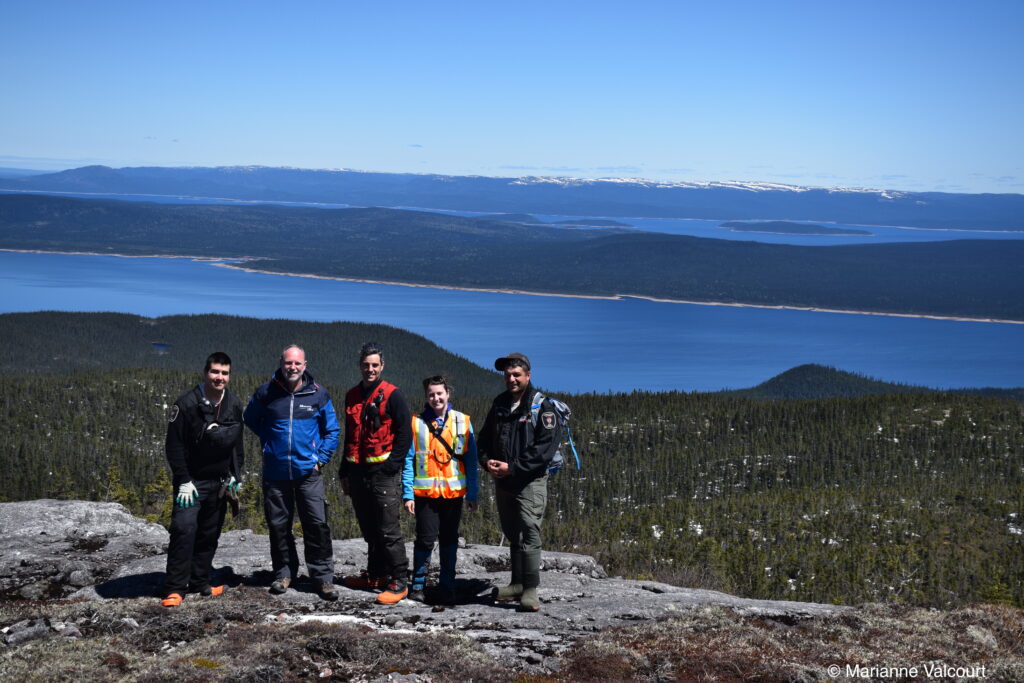
More than 20 First Nations members actively participated in the fieldwork, playing a central role in the success and richness of the information gathered.
How can you record birdsong and bird calls in the field?
Choosing the equipment
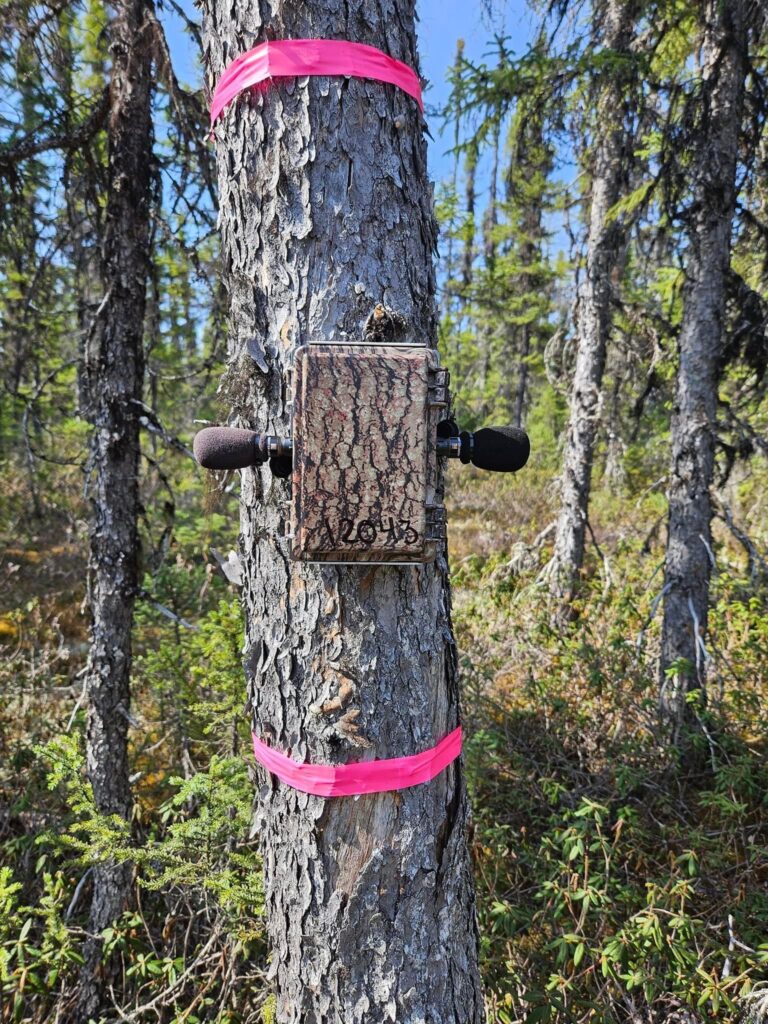
It is possible to record using various models of recorders that are specially designed for recording bird songs and calls. It is important to choose a recorder that is programmable, robust, and has a long battery life. Among the models commonly used are the Song Meter 4 from Wildlife Acoustics and the BAR-LT from Frontier Labs, which is used for the Pineshish-Piyaasiis project.

Site selection process
The selection of acoustic recording sites is a key step in ensuring that the data collected is representative of the entire study area. A rigorous sampling plan maximizes the detection of target species, while taking into account logistical constraints and study objectives.
Target habitats of interest
The choice of sites aims to represent the diversity of habitats present in the study area. It is essential to target both (1) rare habitats, to document species that may be associated with specific or sensitive environments; (2) dominant habitats, in order to obtain an accurate picture of the avifauna in the study area; and (3) the history of the study area, by consulting existing data from other projects or databases (e.g., Breeding Bird Atlas, eBird, etc.).
Sites selection process
To ensure uniform and representative coverage of the study area, the sampling plan and the selection of the survey sites are developed and conducted by the Canadian Wildlife Service. A grid is used to cover the entire territory, and within each selected unit of the grid, four recorders are installed according to specific criteria related to accessibility, safety, and habitat diversity. This method, applied in the Pineshish-Piyaasiis project, helps avoid selection bias and ensures strong spatial representativeness.
It is also important to position the recorders in such a way as to generate data of high scientific value, i.e., data that will be useful beyond the monitoring and objectives of a specific project. By following the sampling plan and a recorder schedule similar to that used by the Canadian Wildlife Service, we can ensure that we obtain data that can be used on a large scale (provincial, national, and even continental) and that is relevant to the diversity of habitats and the specific objectives of the project (e.g., detection of rare species, temporal monitoring, comparison between types of environments, etc.).

Recorders deployment
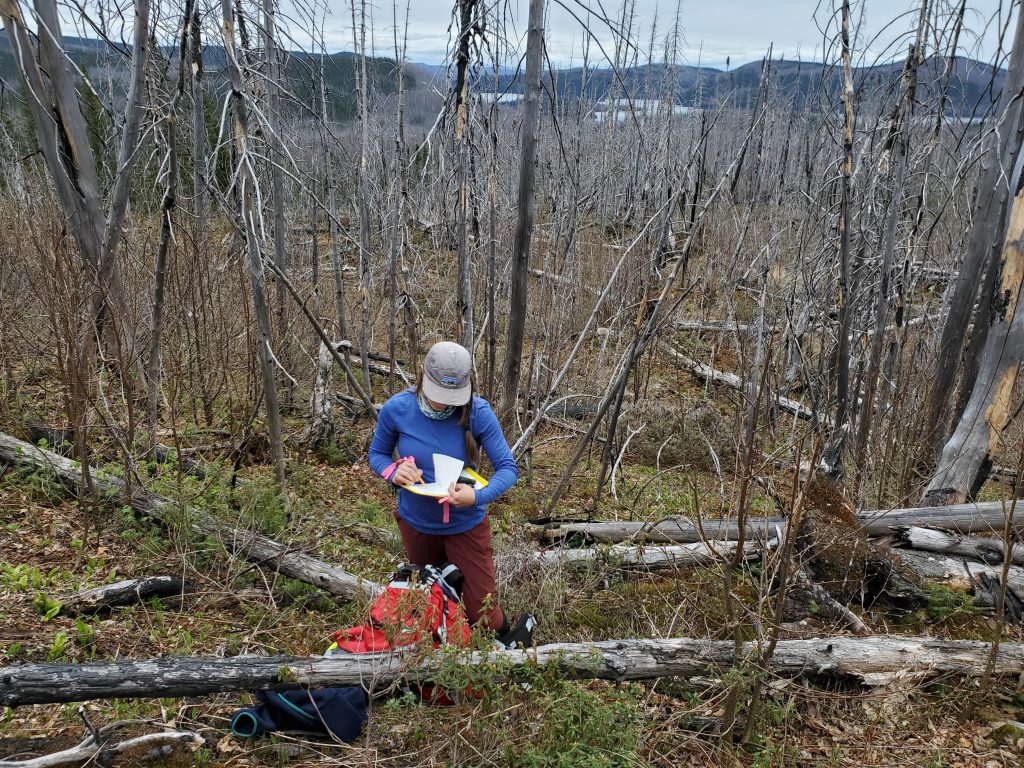
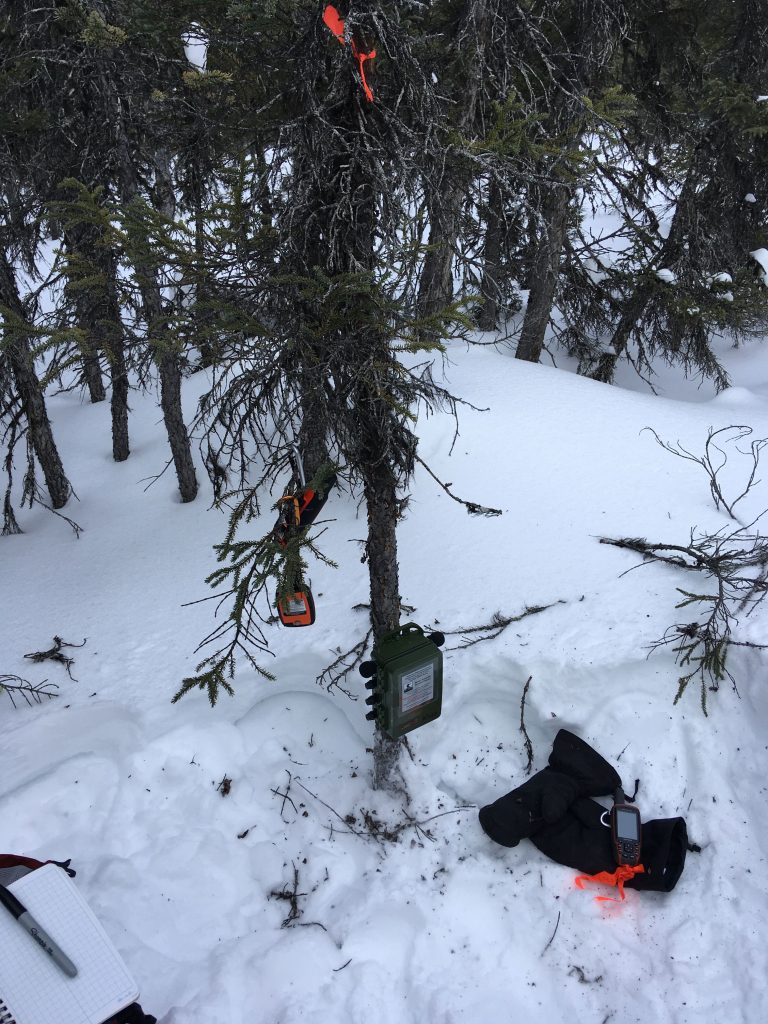
The implementation of a standardized deployment protocol is essential in order to limit potential biases and ensure that nothing is overlooked during fieldwork. The use of a checklist (field form) ensures that all steps are completed, for example: proper positioning of the recorder, GPS point recording, taking photographs, and describing the habitat. This information is important for easily locating and retrieving the recorders at a later date. This field form can be used in various formats: printed on paper, integrated into a specialized app, or simply saved on a mobile phone. The important thing is not the medium used, but to ensure that the data is properly saved. The field form, designed using the Survey123 app, was used on a mobile device as part of the Pineshish-Piyaasiis project.
Recorder programming
Programming the recorders is one of the key steps in the protocol. This is done using software and then downloaded in each device via a memory card. Several parameters must be carefully defined, such as the local time at the installation site, the recording period, and the recording frequency, in order to optimize the results according to the initial objectives. It is important to note that the longer the recording time, the greater the amount of data to be analyzed, which can lead to a significant increase in project costs.
Recorder deployment period
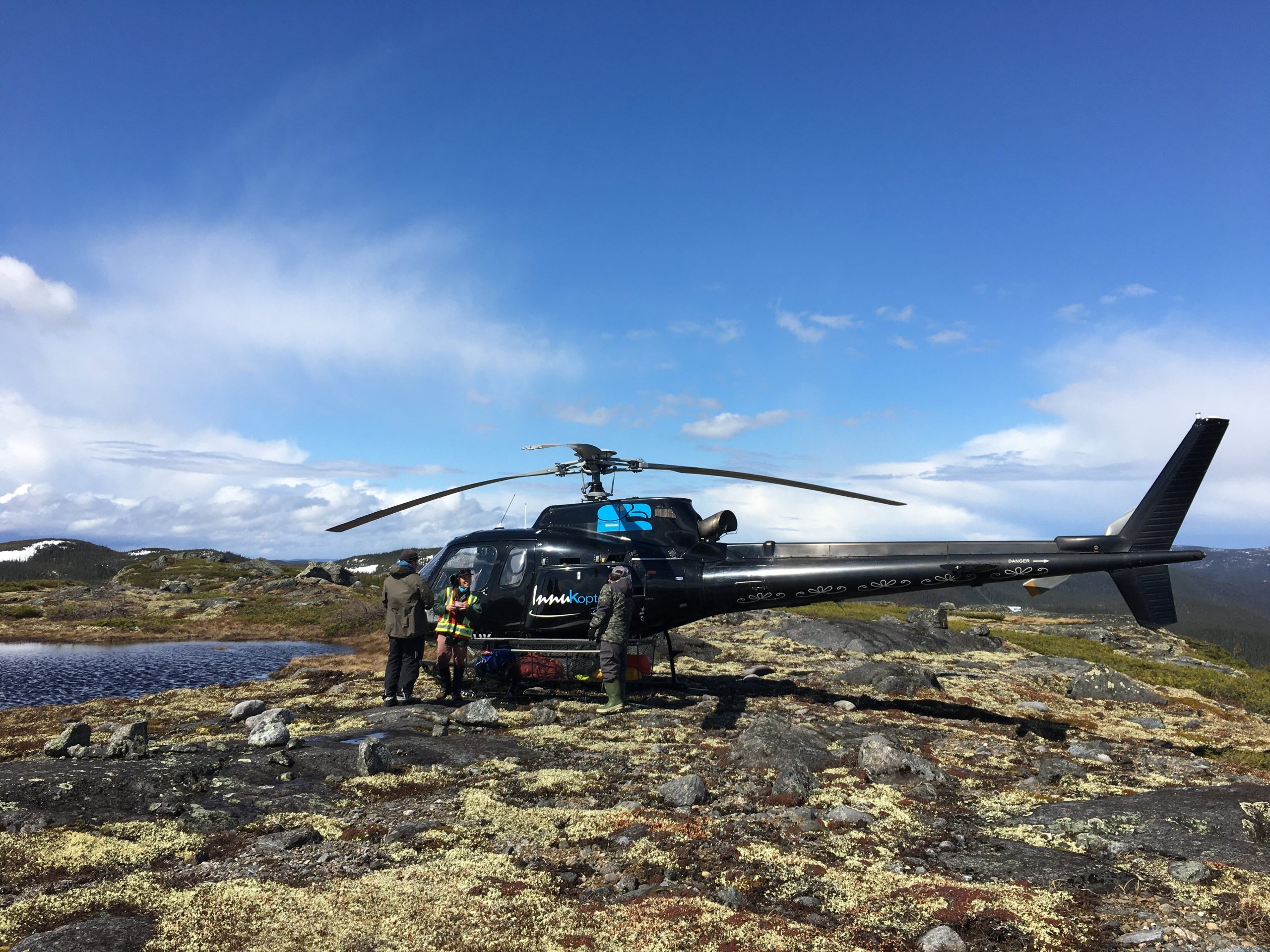
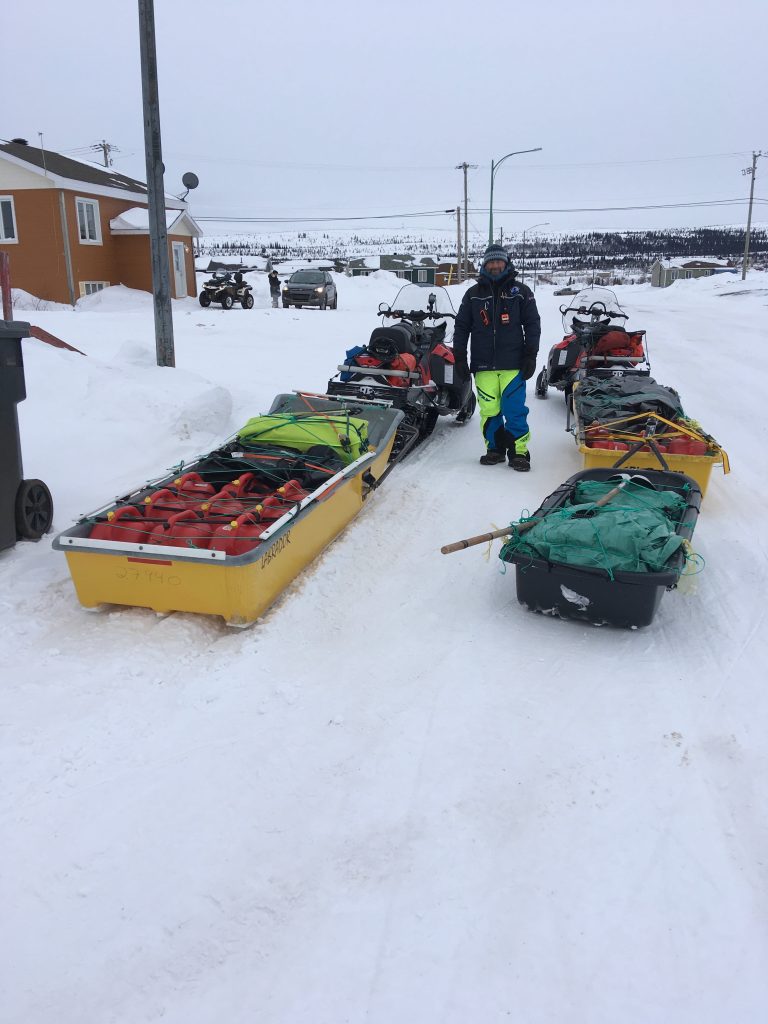
The recorders can be deployed in either spring or winter. The goal is to have the recorders in place before the nesting season begins and that they remain active until its end, generally from mid-May to mid-July. Depending on the available budget, deployment can be carried out via accessible roads or, for isolated areas without road, using specialized means of transport such as helicopters or snowmobiles.

Data analysis
The analysis of the recorders is based on the reading of spectrograms, which are two-dimensional graphical representations of bird songs or calls. This method allows the sounds to be “seen,” facilitating their interpretation. The analysis is carried out by specialized ornithologists. As part of the Pineshish-Piyaasiis project, this task is undertaken by the Canadian Wildlife Service, which mandates the Tadoussac Bird Observatory to process the acoustic data.
In ornithology, four-letter codes are used to quickly identify bird species based on standardized abbreviations for genus and species. These codes are used to annotate the various recordings (songs and/or calls). In the WildTrax platform, these codes are derived from the English names of the species. For example: WTSP for White-throated Sparrow, SPSA for Spotted Sandpiper, or RUGR for Ruffed Grouse.
Access audio data and files
Once the data has been analyzed, it is accessible on the WildTrax platform, which is used to manage, analyze, and share data collected by acoustic recorders. From the WildTrax site, it is possible to filter data by attribute (date, location, species, etc.) and download audio files as needed.